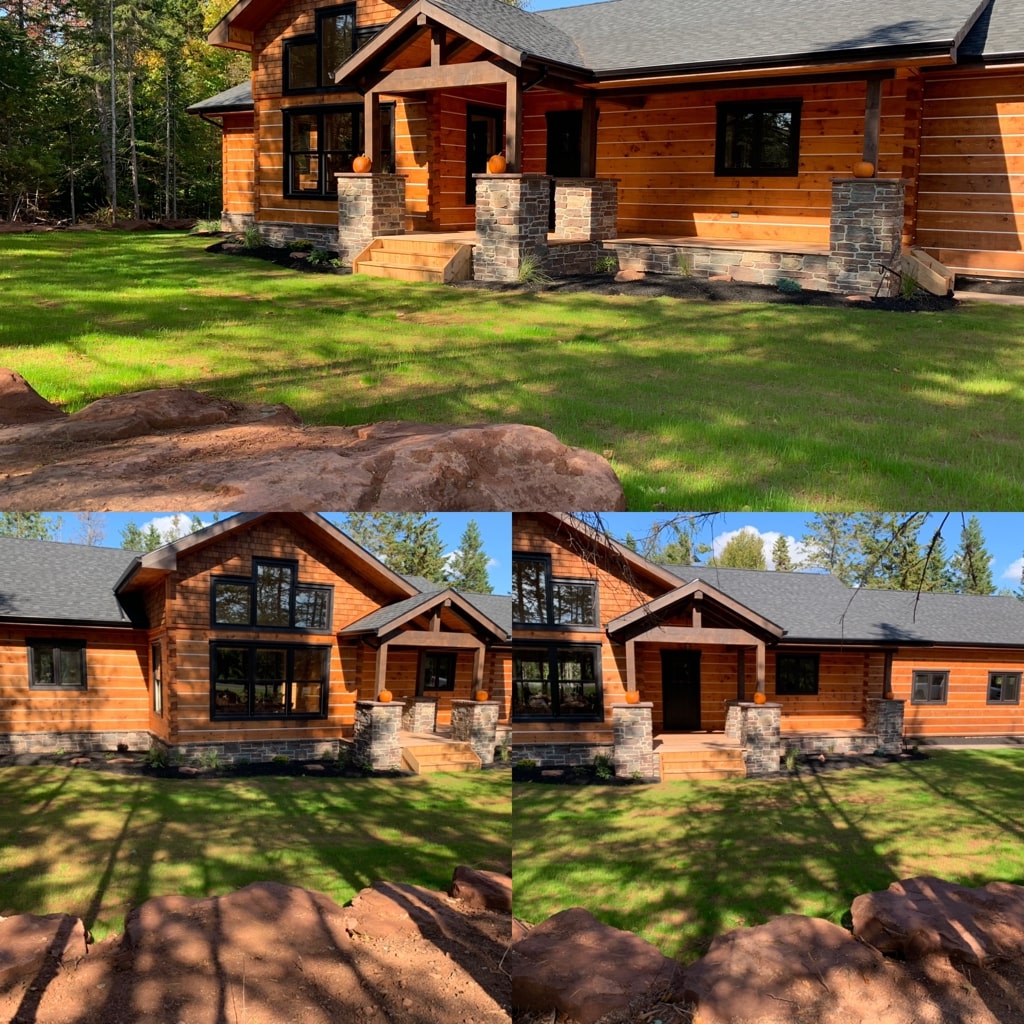
Natural Stone
Stonework with balance and proportion
Veneer, full-bed stone, entrance pillars, walls, steps, fireplaces and architectural stone features built around the character of the stone itself.
Natural stone masonry →DinoMac Masonry works across Prince Edward Island on natural stone, chimneys, restoration, heritage buildings, fireplaces, foundations and other masonry where detail and material knowledge matter.
This portfolio is organized by the type of work so visitors can quickly compare natural stone, heritage restoration, chimneys, fireplaces, foundations and other completed DinoMac masonry work across Prince Edward Island.
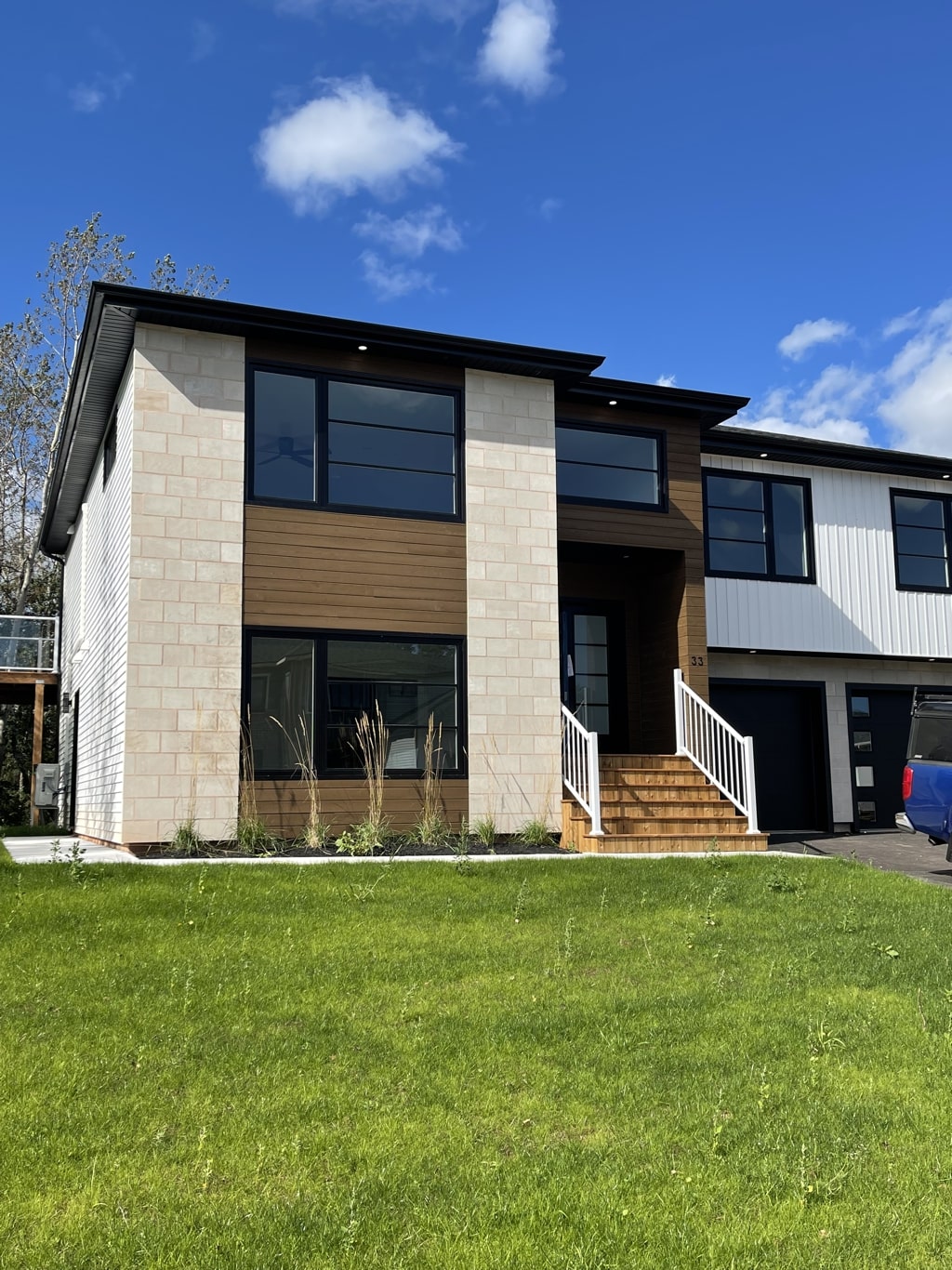
These project groups represent the core types of masonry work DinoMac is known for across PEI.
Veneer, full-bed stone, entrance pillars, walls, steps, fireplaces and architectural stone features built around the character of the stone itself.
Natural stone masonry →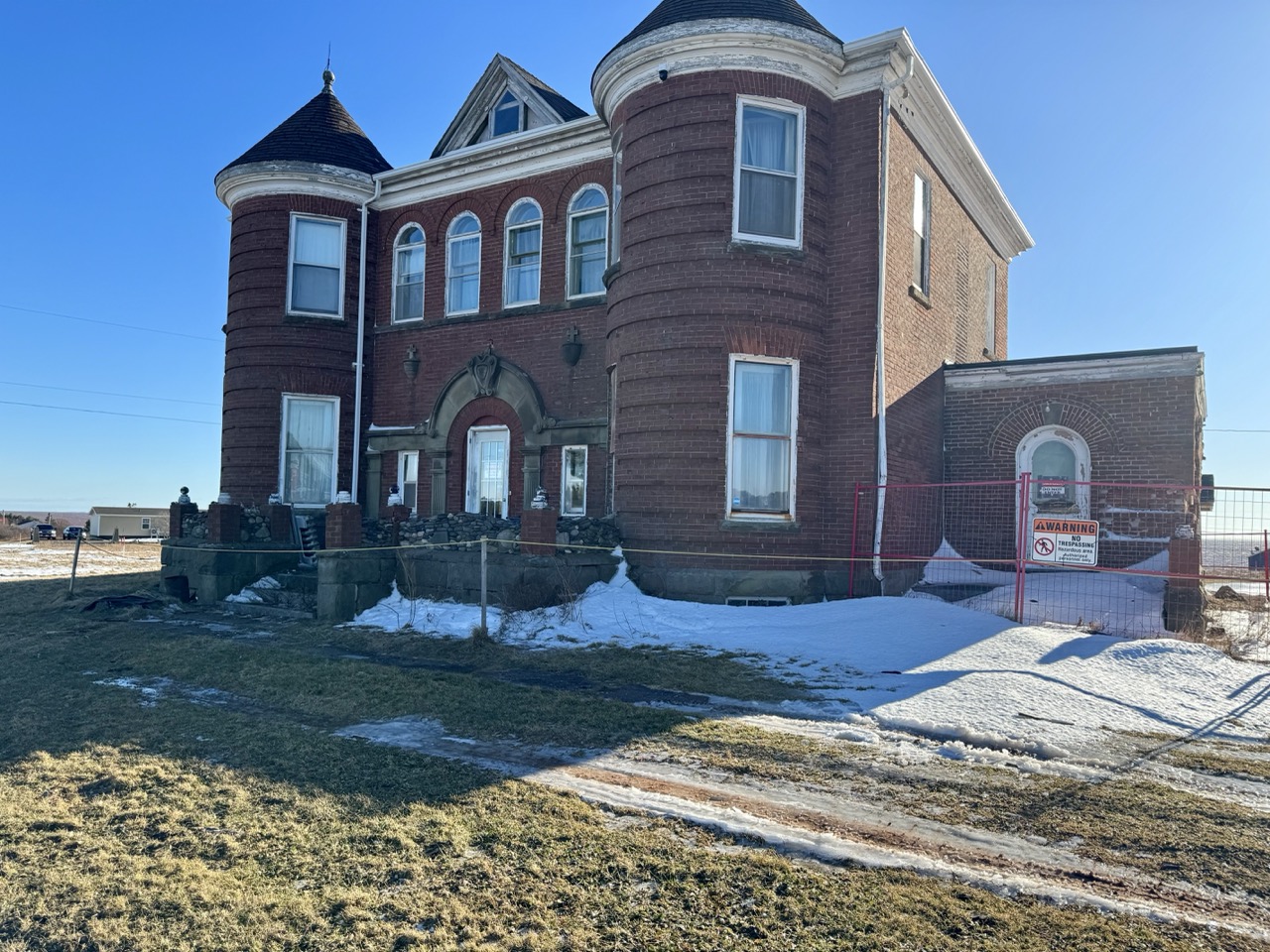
Repointing, selective rebuilding and preservation-focused work on older brick and stone buildings, churches, schoolhouses and historic properties.
Heritage restoration →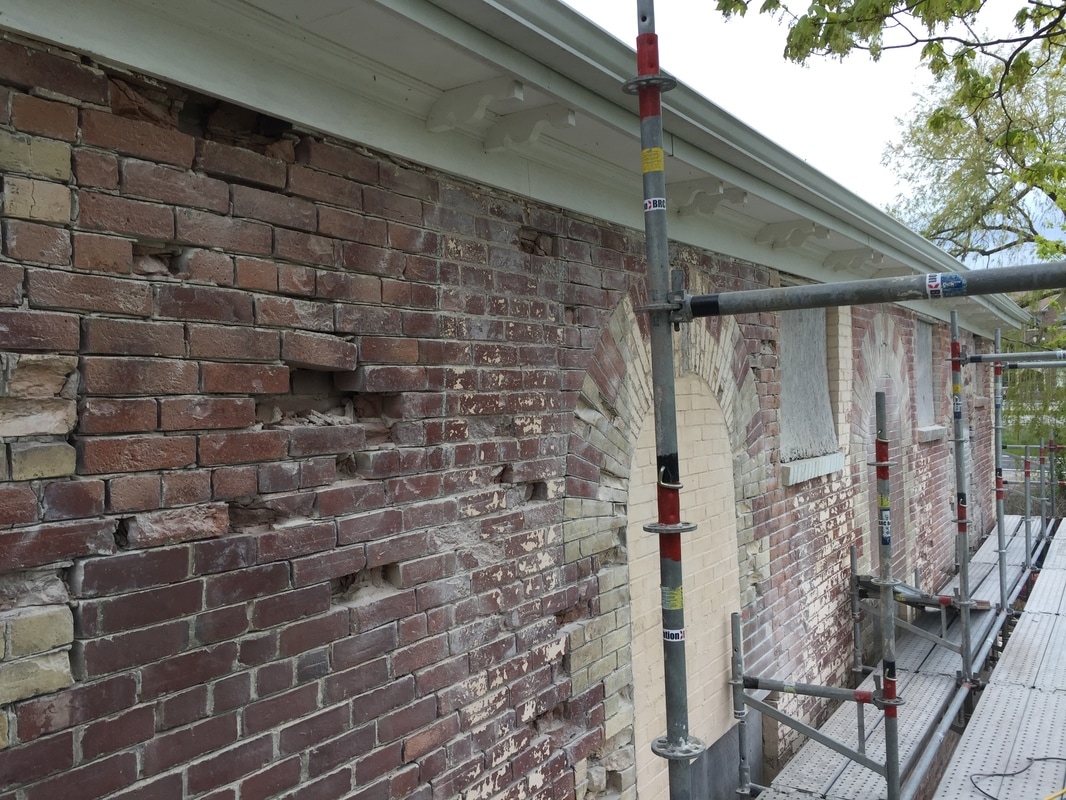
Repointing, brick replacement, crack-related repairs and localized rebuilding where complete replacement would be unnecessary.
Masonry restoration →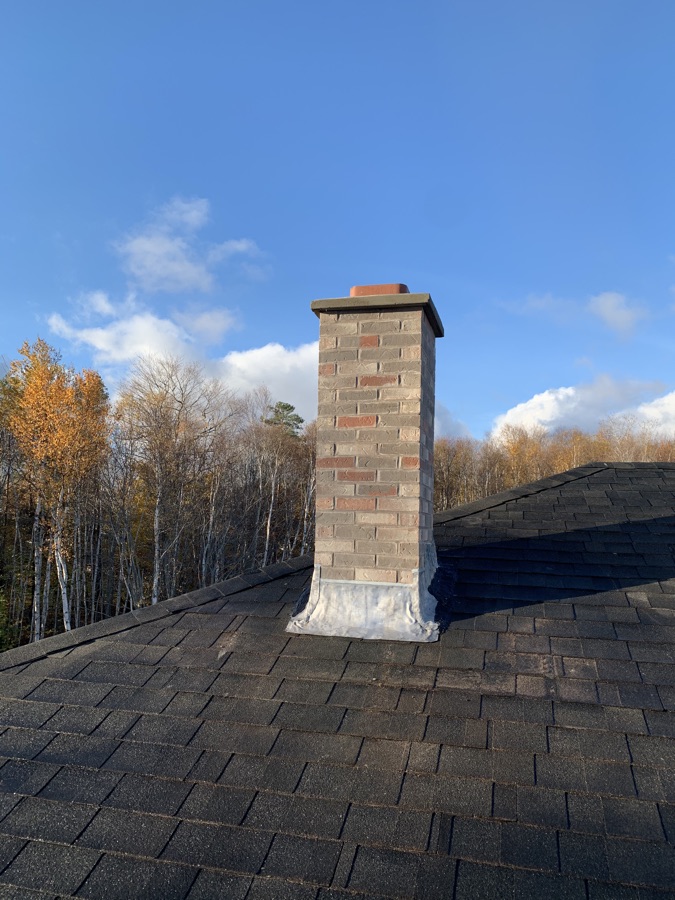
Chimney repointing, brick replacement, partial rebuilding and complete rebuilds where water and freeze-thaw damage have taken their toll.
Chimney repair →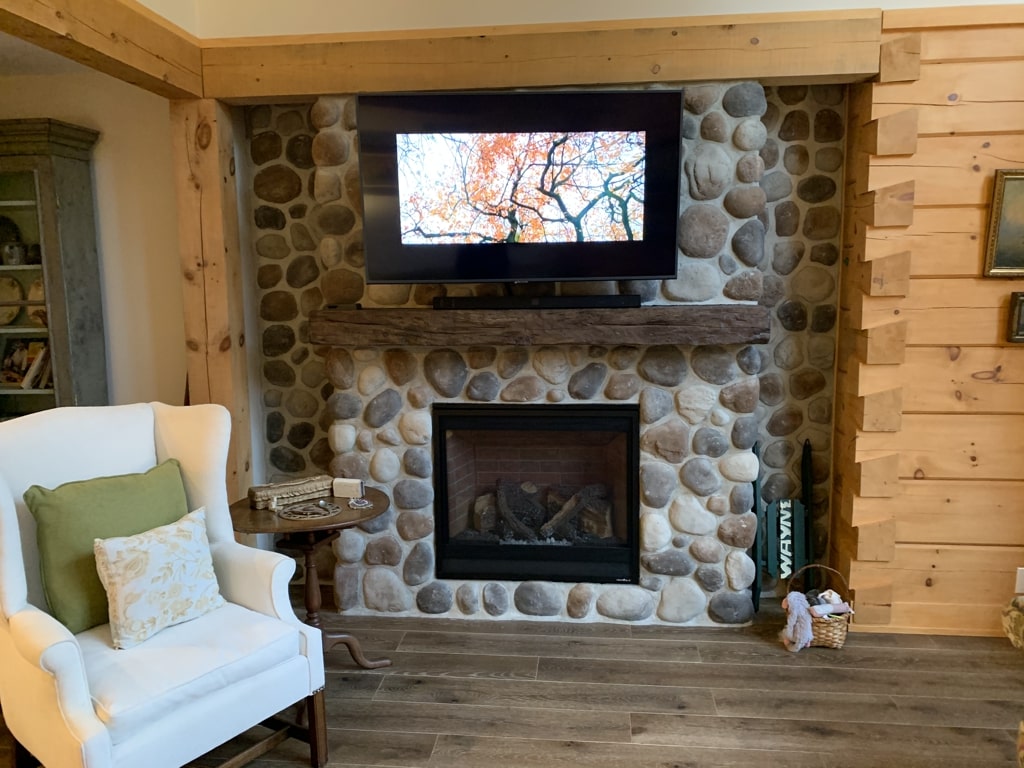
Firebrick, hearths, natural stone surrounds, brick restoration and fireplace masonry designed to work visually with the room around it.
Fireplace masonry →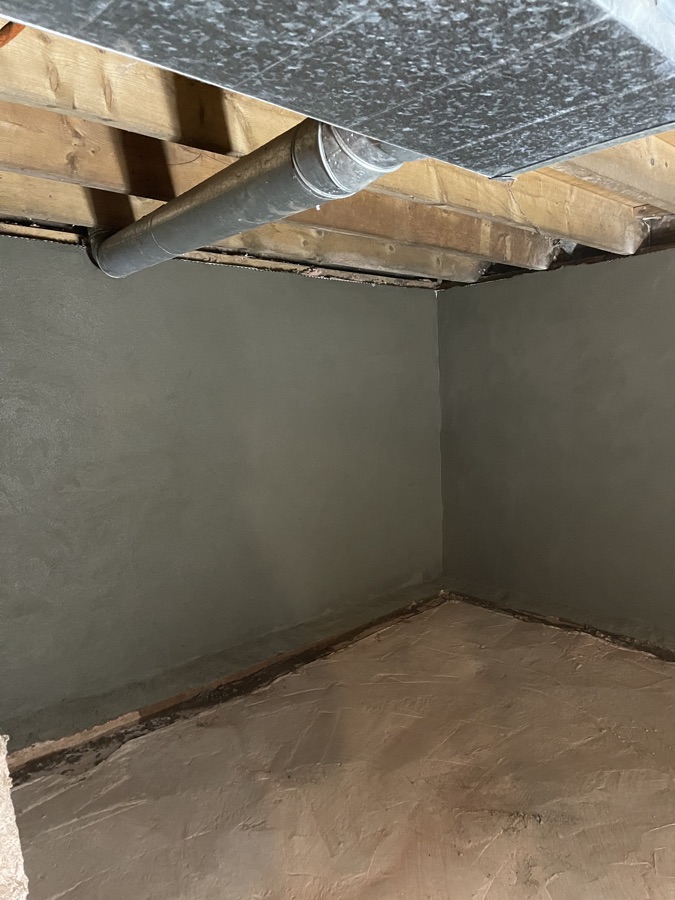
Stone and block foundation repair, repointing, parging, localized rebuilding and masonry work associated with cracking and water entry.
Foundation masonry →Portfolio photos show workmanship. The case-study section goes further by documenting the existing condition, the repair strategy, material choices, field challenges and the reasoning behind the finished work.
The first full case study covers DinoMac's substantial heritage masonry work at Dalvay-by-the-Sea National Historic Site, including sandstone repointing, mortar matching, drainage corrections, stone sill work and restoration of the two main fireplaces.
Next field case study: Mont-Carmel monument & war memorial restoration →
Commercial case study: J. David Stewart Armoury lintel & brick restoration →
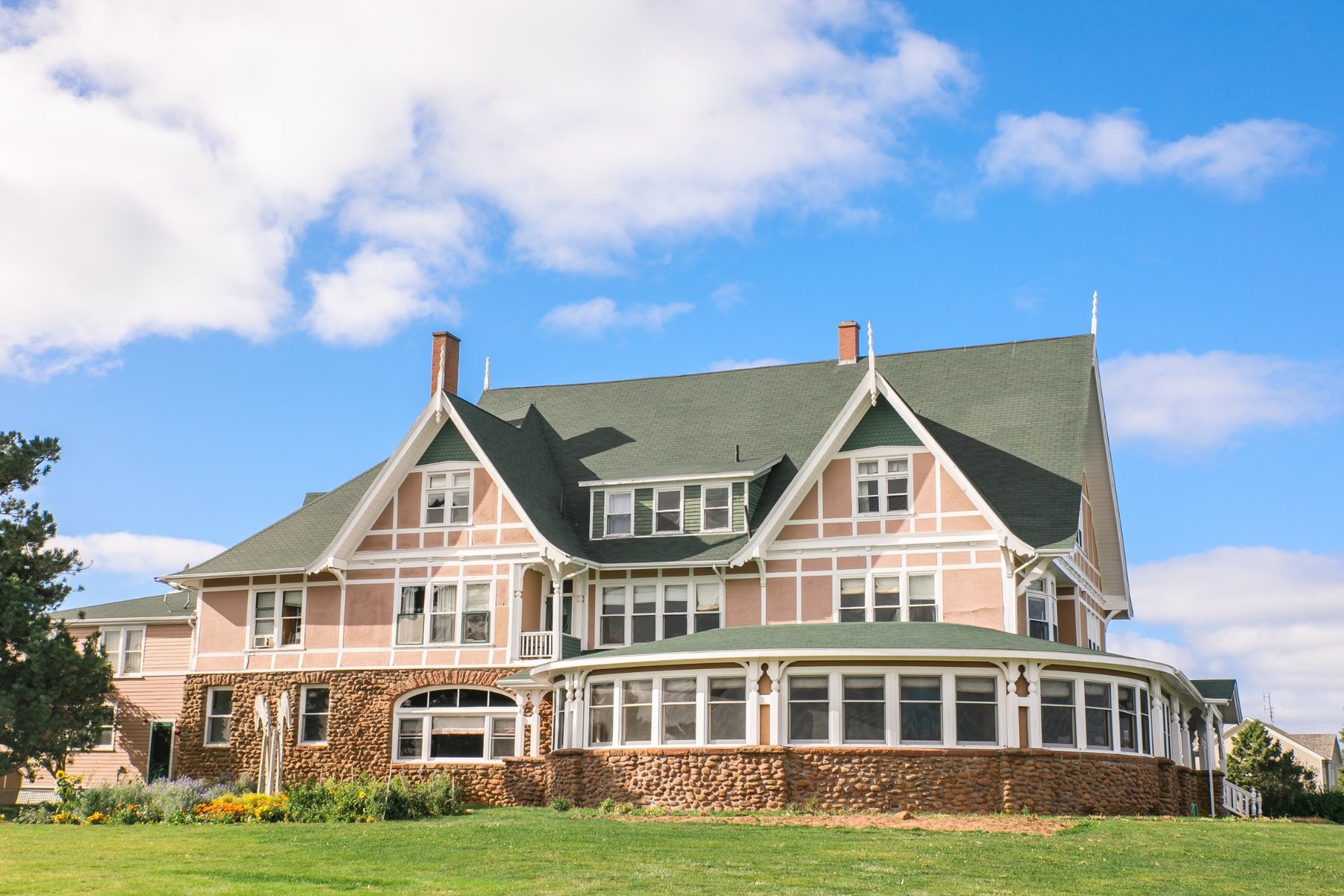
Heritage sandstone, compatible mortar, local aggregate matching, water-management corrections and fireplace restoration on a nationally recognized historic property.
The Parish House is too large and too active to fit the finished before-and-after case-study format. Its page documents the restoration as it progresses.
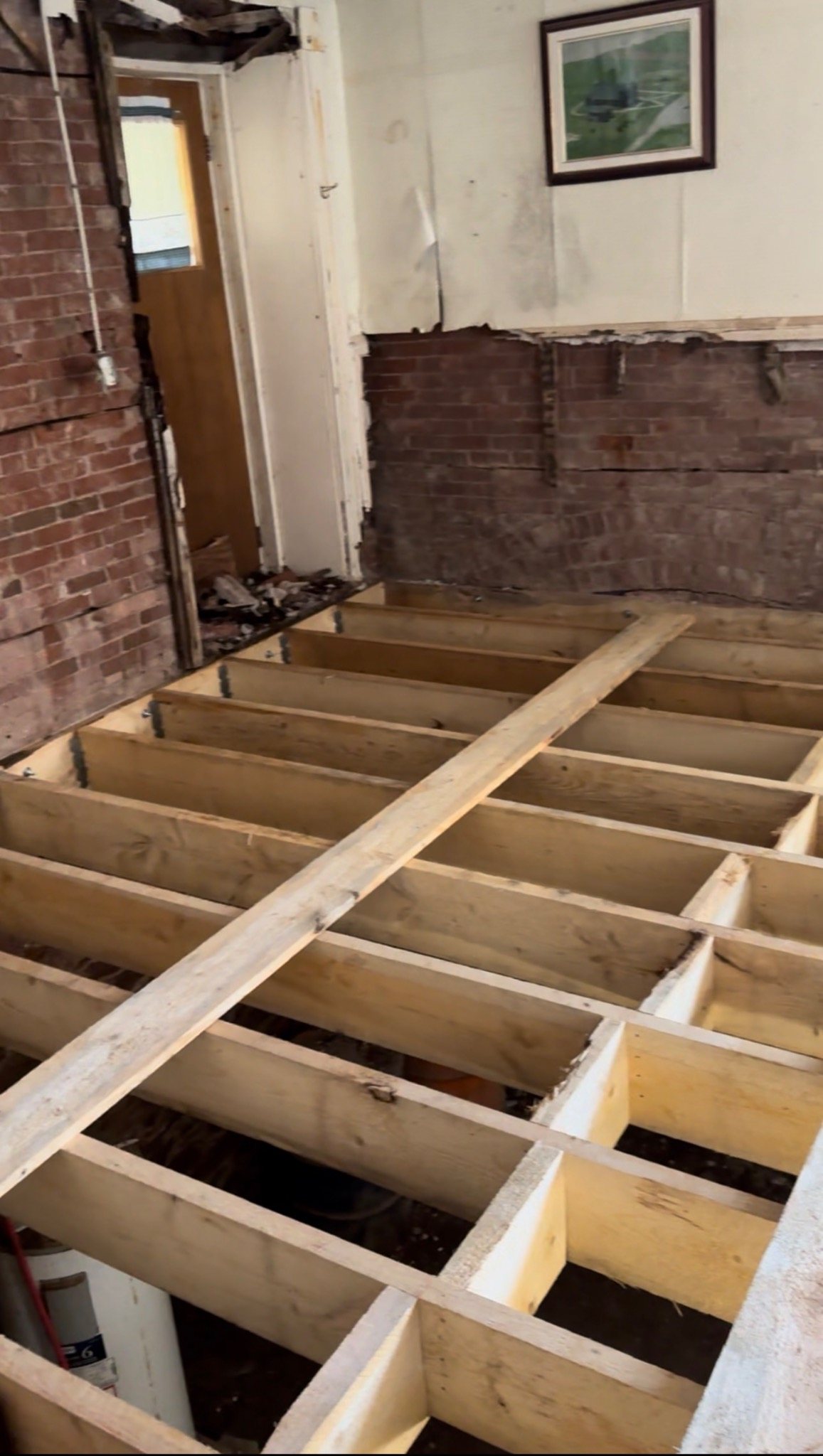
Ongoing work: floor reconstruction, roof replacement, moisture remediation, services and preservation are progressing in phases.
Public coverage documented the leaking roof, collapsed floors and long vacancy. The current project record now includes stopped leaks, rebuilt floor areas, roughly two-thirds of the roof replaced, new electrical, heat, water and septic systems, and continued work on historic masonry and interiors.
Explore The Parish ProjectEvery piece of natural stone creates a decision. The mason has to consider shape, bedding, colour, joint width, visual weight and how that stone affects the next several pieces in the wall.
That makes natural stone especially useful in a portfolio because the finished work reveals the layout decisions directly. Corners, openings, pillars and transitions show whether the work was planned or simply filled in.
DinoMac's natural stone background includes both new construction and restoration, allowing old stonework and new features to be approached with the same understanding of how stone behaves.
Explore Natural Stone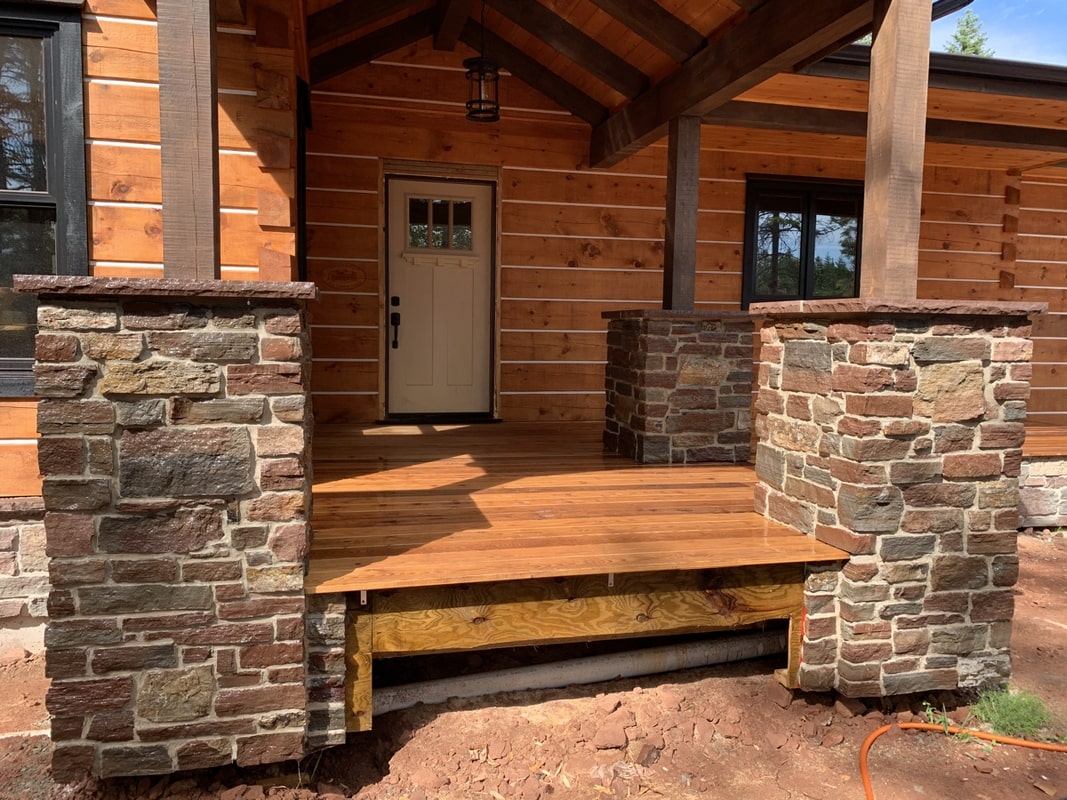
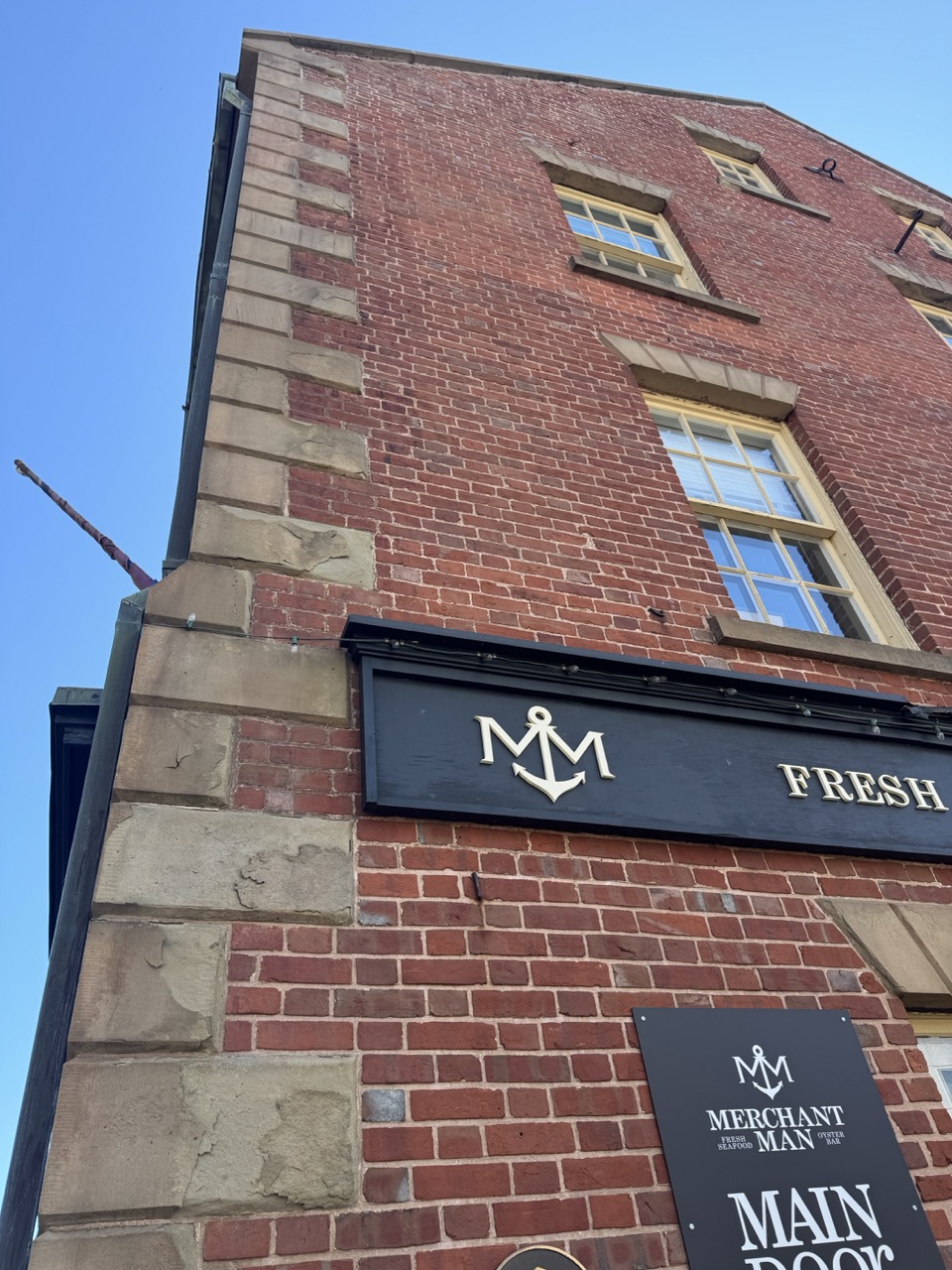
On historic buildings, a successful repair should not announce itself as obviously new. Mortar colour, aggregate, joint finish, replacement units and the amount of original masonry retained all affect whether the finished work belongs to the building.
Larger heritage projects may include mock-ups, phased work, salvage of original material and documentation of masonry patterns before sections are rebuilt.
That approach is particularly important on churches, institutional buildings, schoolhouses, estates and older homes where the masonry itself is part of the property's character.
Explore Heritage RestorationThe visual improvement is important, but the real value of masonry repair is what was corrected underneath.
Open mortar joints, spalled brick, loose stone, cracked masonry, water entry, staining, movement or failed previous repairs.
Removing failed material, exposing the real extent of damage, resetting or replacing units, preparing joints and correcting the underlying cause.
A finished repair that blends with the surrounding masonry and leaves the wall better able to manage weather and movement.
Chimneys are among the most exposed masonry on a building. Once mortar joints open or a crown, cap or flashing detail begins allowing water in, freeze-thaw cycles can accelerate deterioration.
DinoMac chimney projects range from repointing and individual brick replacement to partial and full rebuilding where the masonry has lost stability.
The repair is not complete if the water-entry route is ignored, so crown, cap, flashing and drainage conditions are part of the overall assessment.
Chimney Repair & Rebuilding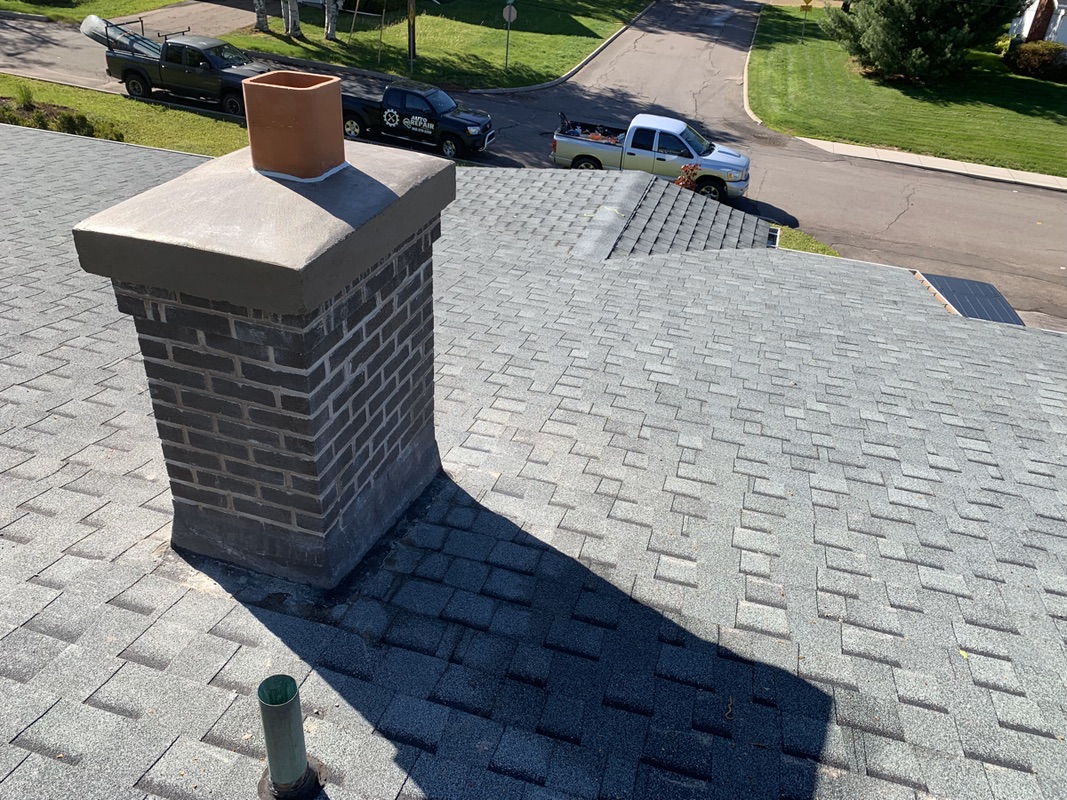
Fireplace surrounds, hearths and interior stonework have to work at a different scale from an exterior wall. Proportions, edge details and how the masonry meets woodwork, flooring and the fireplace opening all become more visible.
DinoMac's work includes natural stone and brick surrounds, hearth masonry, restoration of older fireplaces and repair of heat-exposed masonry where appropriate.
Fireplace Masonry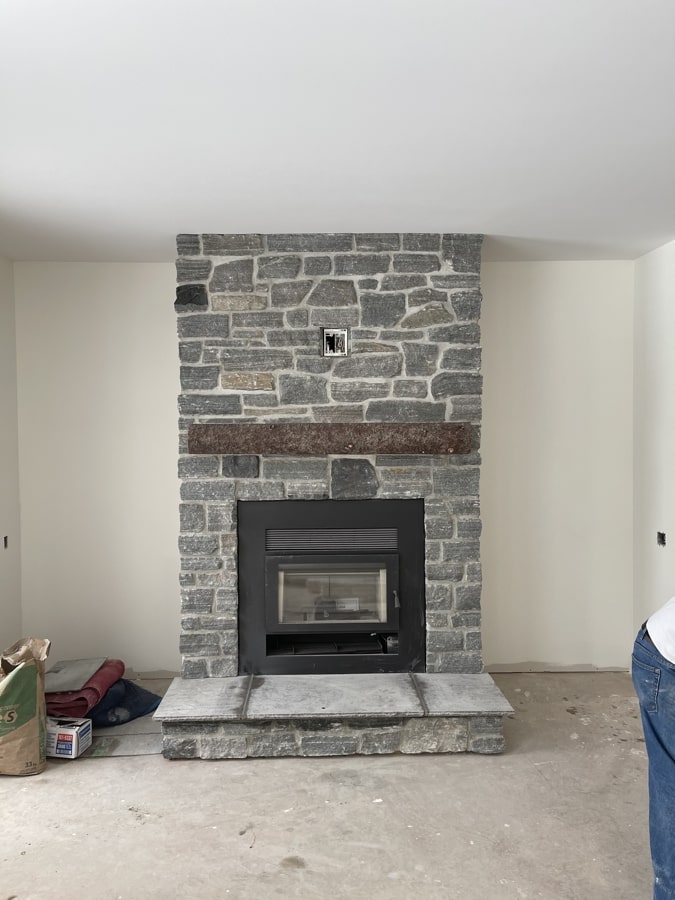
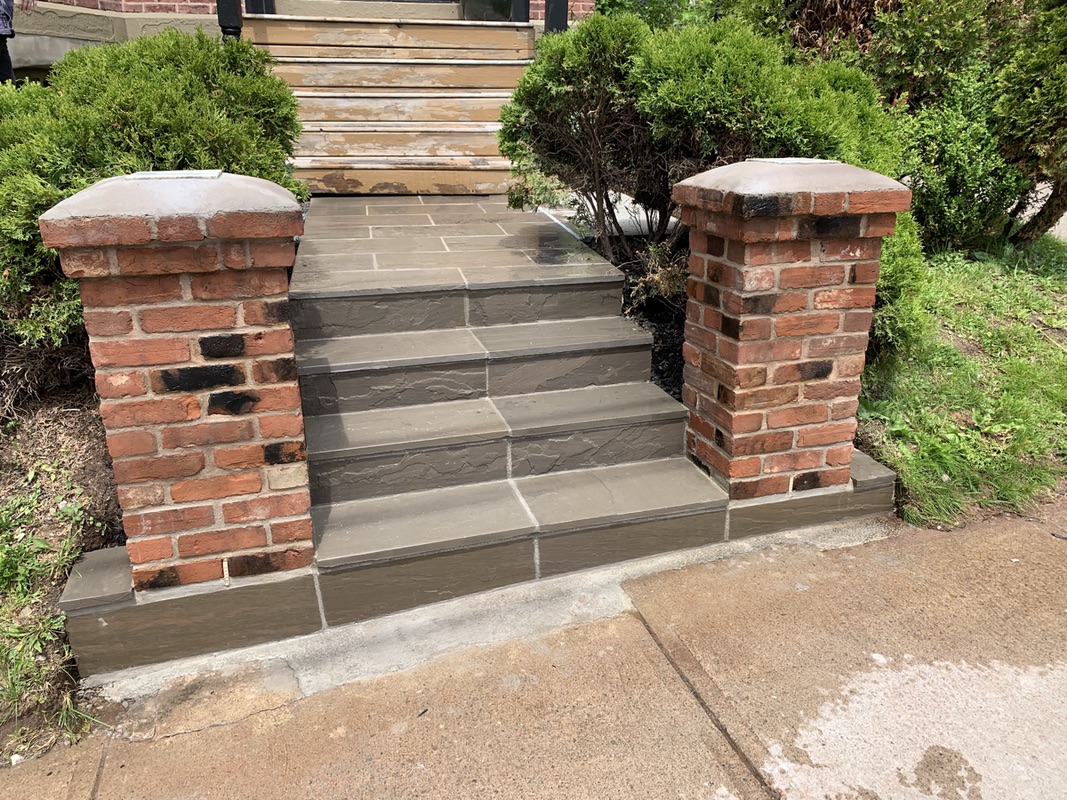
Entrance pillars, steps, low walls, outdoor fireplaces and other masonry features can add visual weight to a property without covering the entire building.
DinoMac handles selected custom outdoor masonry, while sister company ModuStone focuses on modular outdoor kitchens, fire pits and fireplaces.
Visit ModuStoneMortar joints should suit the masonry and remain visually controlled, even when the stone or brick itself varies.
Corners, openings, rooflines and changes between materials should look deliberate rather than like places where the layout ran out of options.
Caps, sills, steps and horizontal surfaces should direct water away from the masonry instead of trapping it.
Repairs should use mortar and replacement units suited to the existing brick or stone, not simply whatever material is strongest.
Natural stone should feel varied without becoming chaotic, with large and small units distributed intentionally.
Restoration work should fit the surrounding masonry as closely as practical in colour, texture, jointing and overall appearance.
DinoMac combines generations of family stonemasonry knowledge with modern restoration methods and years of work on homes, chimneys, fireplaces, historic properties and larger masonry projects throughout PEI.
DinoMac is PEI's highest-rated masonry contractor on Google and has built a long-standing island-wide reputation for workmanship, natural stone and detailed restoration.
DinoMac Masonry Ltd. is also a member of the Construction Association of Prince Edward Island , connecting the company with PEI's broader professional construction industry.
The photographs throughout this portfolio are drawn from completed DinoMac work and show the range of materials, repair conditions and finished masonry encountered on projects across Prince Edward Island.
Send the project location, photos of the existing building or area, and examples of the type of masonry you have in mind.
Request an EstimateTell us where the project is located and what you would like to accomplish. For repair work, clear photos of the full area and close-ups of the damage are useful.