Brick & Stone Repointing
Remove deteriorated mortar to sound material and refill the joint with a compatible mortar and appropriate joint finish.
DinoMac Masonry restores brick, stone and concrete block masonry across PEI, including repointing, mortar matching, spalled brick replacement, selective stone repair, localized rebuilding and correction of failed previous repairs.
The goal is to repair what has failed while preserving sound masonry wherever practical. That means understanding why the deterioration occurred, using materials suited to the existing wall and rebuilding only where repointing or selective unit repair is no longer enough.
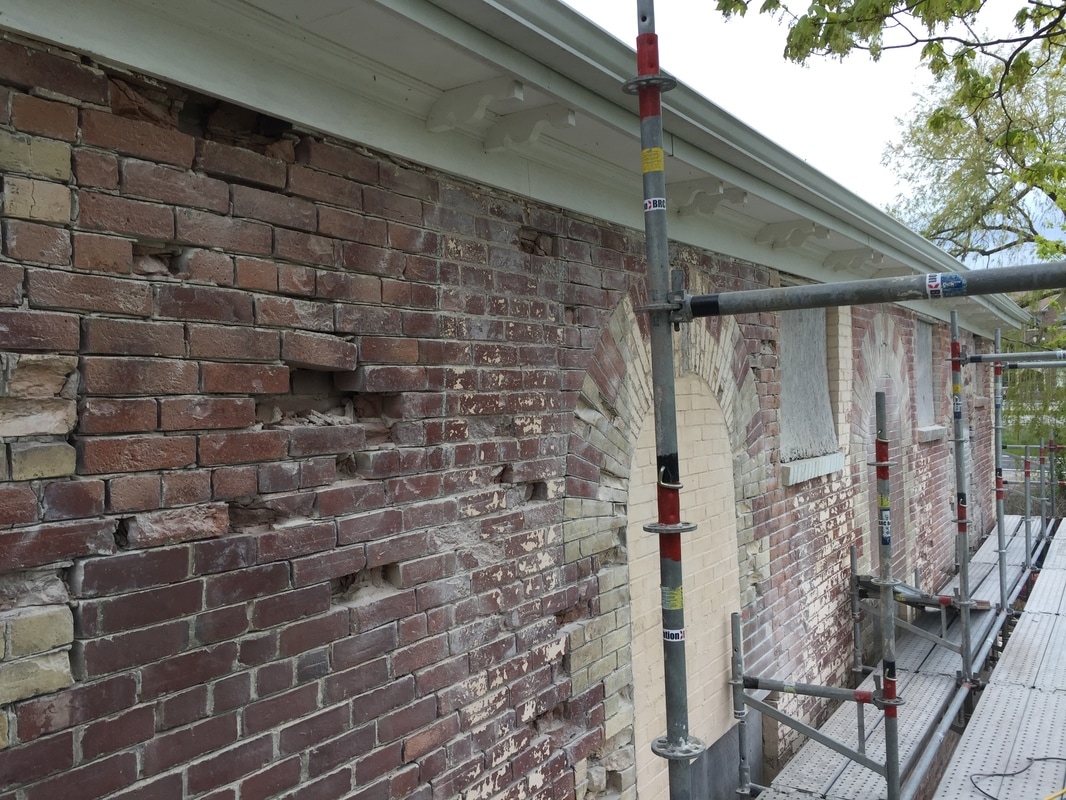
DinoMac restores existing masonry on homes, chimneys, older buildings, commercial properties and heritage structures throughout PEI.
Remove deteriorated mortar to sound material and refill the joint with a compatible mortar and appropriate joint finish.
Replace individual cracked, flaking or badly deteriorated bricks where the surrounding wall remains stable and worth preserving.
Reset loose stone, renew failed joints and selectively rebuild deteriorated stone sections while retaining sound existing work where practical.
Select repair mortar around the existing masonry, considering strength, permeability, aggregate, colour and joint profile rather than colour alone.
Carefully dismantle and rebuild masonry that has bulged, shifted or lost stability without automatically replacing an entire wall.
Correct shallow surface pointing, overly hard mortar, incompatible patches and other previous repairs that are contributing to renewed deterioration.
DinoMac combines third-generation masonry knowledge with more than 20 years of hands-on experience in brick, natural stone, chimneys, older buildings and heritage restoration. That background is especially useful when the repair depends on reading previous work, material compatibility, moisture and movement.
“Working with Dean and DinoMac is always a pleasant experience. Dean is so good at what he does, anytime a client asks about masonry work, I always refer DinoMac Masonry. The first project we worked on together I had hired another mason to do some chimney repairs above the roof line. The work that was completed by the other mason was below standard, the chimney flashing was poorly done, and improper mortar was used. Knowing of Dean and his professional background, I quickly contracted Dean to make it right for the customer for me. The results were astounding.”
Masonry restoration can involve far more than repointing. Depending on the condition of the wall, it may include replacing individual bricks or stones, rebuilding unstable sections, repairing openings, correcting water-entry details or removing incompatible previous repairs.
The common goal is to retain the sound masonry and repair the areas that are no longer performing properly.
That approach is often more economical and more respectful of the building than replacing large areas simply because a smaller portion has deteriorated.
Water, movement, freeze-thaw exposure, poor previous repairs, unsuitable mortar, failed flashing and drainage problems can all produce damaged joints and masonry units.
If the cause remains, a new surface repair may eventually fail in the same place.
Repointing renews deteriorated mortar while keeping sound brick, block or stone in place.
Loose and deteriorated mortar must be removed to sound material so the new mortar has adequate depth and a solid surface to bond against.
Strength, vapour permeability, aggregate and exposure all matter. A mortar that is too hard can create new problems in softer brick or stone.
Joint profile affects both appearance and weather resistance. The finish should suit the masonry and, where appropriate, match the surrounding original work.
Mortar is often intended to be more forgiving than the masonry units around it. It accommodates small amounts of movement and provides a path through which moisture can migrate.
When an older or softer brick or stone wall is repointed with mortar that is excessively hard or dense, stress and moisture may be redirected into the masonry itself.
A proper restoration considers the wall that already exists rather than choosing mortar solely on compressive strength or colour.
Colour, sand, texture and joint profile can all be adjusted to produce a repair that blends with surrounding masonry.
The visual match is important, but the mortar still has to behave properly with the brick or stone over many freeze-thaw cycles.
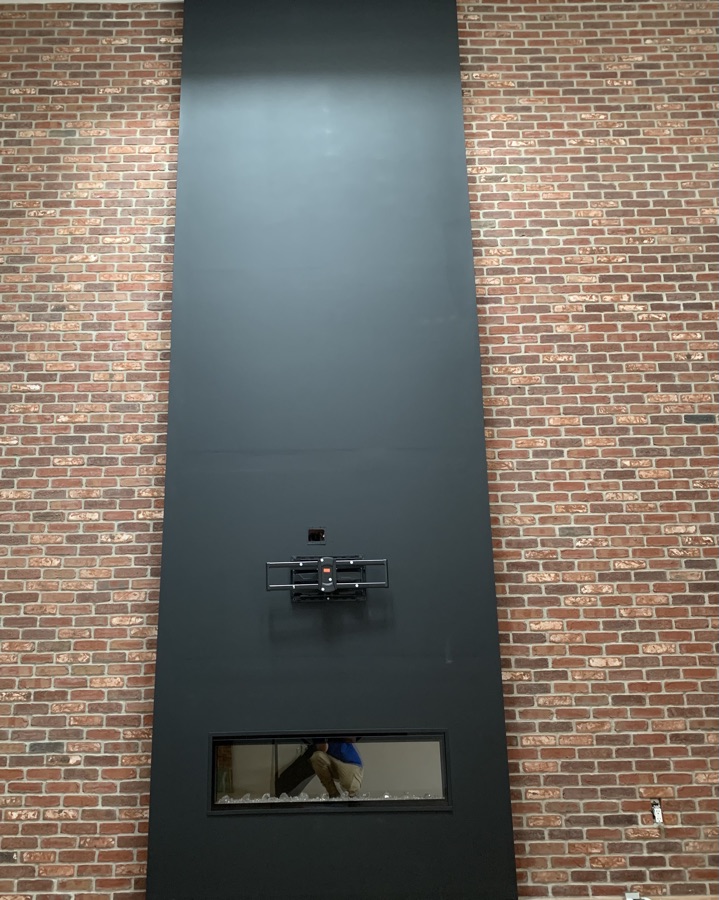
Individual bricks can crack, spall or lose their face while the surrounding masonry remains serviceable.
Where the wall remains stable, damaged units can often be removed and replaced selectively. The replacement brick should be chosen with attention to size, colour, texture and physical properties.
Repointing can then be used to renew the surrounding joints and tie the repair visually into the existing wall.
Natural stone restoration requires attention to how each stone bears, how the joints are filled and how the wall manages moisture.
Repair may involve repointing, resetting loose stones, replacing individual failed units or rebuilding a section that has moved.
DinoMac's background in natural stone masonry is particularly useful where the repair has to blend into existing stonework rather than look like an obvious patch.
Natural Stone Masonry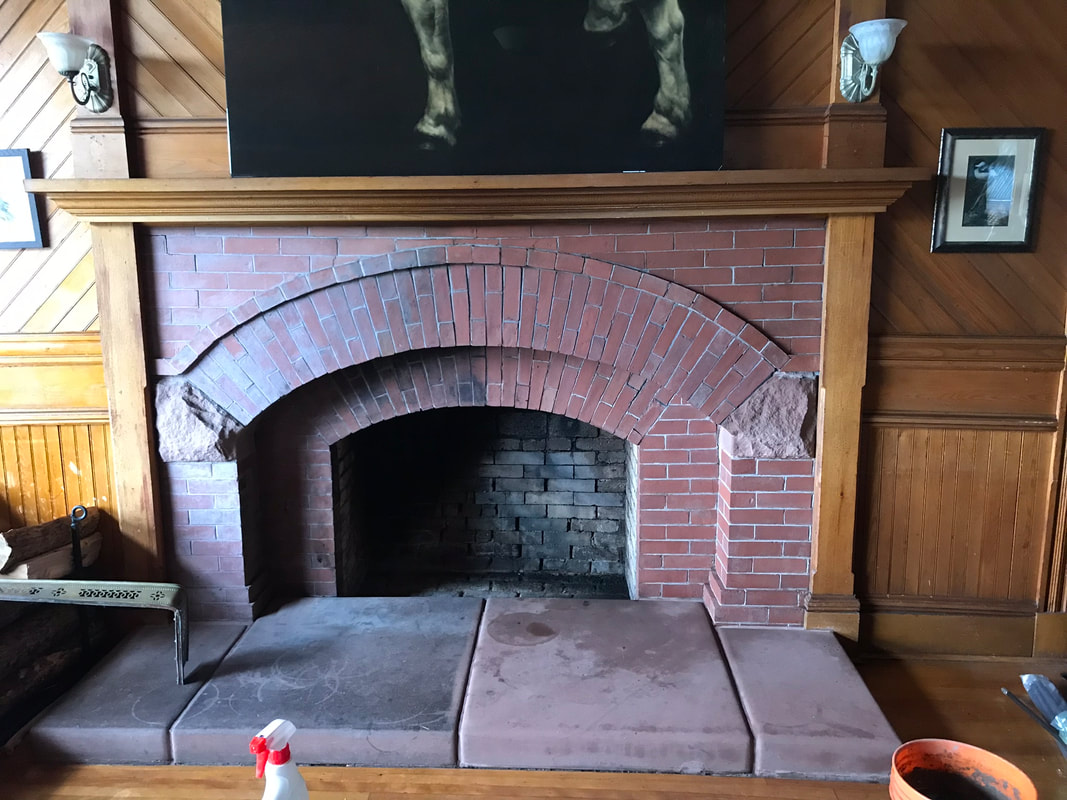
Some cracks are localized and repairable. Others indicate ongoing movement that should be understood before the joint is filled.
Cracks following mortar joints can be associated with movement, settlement, openings or other changes in the wall.
Cracking through brick or block can indicate stresses greater than the joints alone are able to accommodate.
If a repaired crack repeatedly opens, the movement or moisture condition responsible may still be active.
Significant movement, structural displacement or uncertainty about load-bearing conditions may require structural engineering input before the masonry repair is finalized.
If masonry has bulged, shifted, separated or lost enough joint material to compromise stability, repointing the face may not restore the wall.
In these situations, a localized area can sometimes be dismantled carefully, sound units salvaged and the section rebuilt.
Selective rebuilding allows the failed portion to be corrected while preserving sound surrounding masonry.
The decision is based on stability, amount of deterioration, cause of movement and how much sound material remains.
The goal is neither to rebuild unnecessarily nor to preserve masonry that is no longer capable of performing safely.
Restoration work frequently involves correcting earlier repairs that were intended to be permanent but were not compatible with the masonry.
Thin mortar smeared over the face of deteriorated joints may look improved temporarily but provides little durable bond to the wall behind it.
Hard repair mortar can contribute to brick or stone deterioration when it is significantly less forgiving than the original masonry.
Some coatings can trap moisture or hide deterioration until the underlying masonry has become worse.
Failed flashing, horizontal ledges, open caps, damaged sills, poor drainage and recurring roof runoff can all feed water into masonry.
On PEI, repeated freeze-thaw cycles can then turn small areas of saturation into spalling brick, failed joints and larger repairs.
Repointing restores the joint, but correcting the water-entry route is often just as important to the durability of the work.
Dirt, biological growth, soot and mineral deposits can change the appearance of brick and stone over time.
Efflorescence, the white mineral deposit sometimes seen on masonry, is also evidence that moisture has moved through the material and carried soluble salts to the surface.
Cleaning should begin with the least aggressive method likely to work. Excessive pressure or unsuitable acid cleaners can damage mortar, soft brick and some natural stone.
Fresh mortar can be affected by freezing temperatures, intense heat, direct sun, wind and heavy rain.
In hot or dry conditions, mortar may lose moisture too quickly. In cold conditions, freezing can interfere with proper curing unless the work and materials are suitably protected.
Scheduling, shading, damp curing, heating or enclosure may be needed depending on the season and type of work.
Summer can also be productive, but exposed walls may require extra care during hot, sunny or windy periods. Suitable conditions matter more than simply choosing a date on the calendar.
Large buildings often contain several different levels of masonry deterioration at the same time.
Loose masonry, active leaks, exposed chimneys, parapets and unstable sections should generally be considered before cosmetic maintenance.
Large restoration projects can often be divided into manageable sections so the highest-risk areas are completed first.
Repointing joints and correcting water entry early can protect a much larger area of otherwise sound masonry.
Historic brick and stone can contain softer masonry, lime-rich mortars, traditional joint finishes and wall systems that handle moisture differently from modern construction.
For churches, schoolhouses, estates and other historic properties, repair methods should preserve original material and respect the building's existing construction.
Heritage Masonry Restoration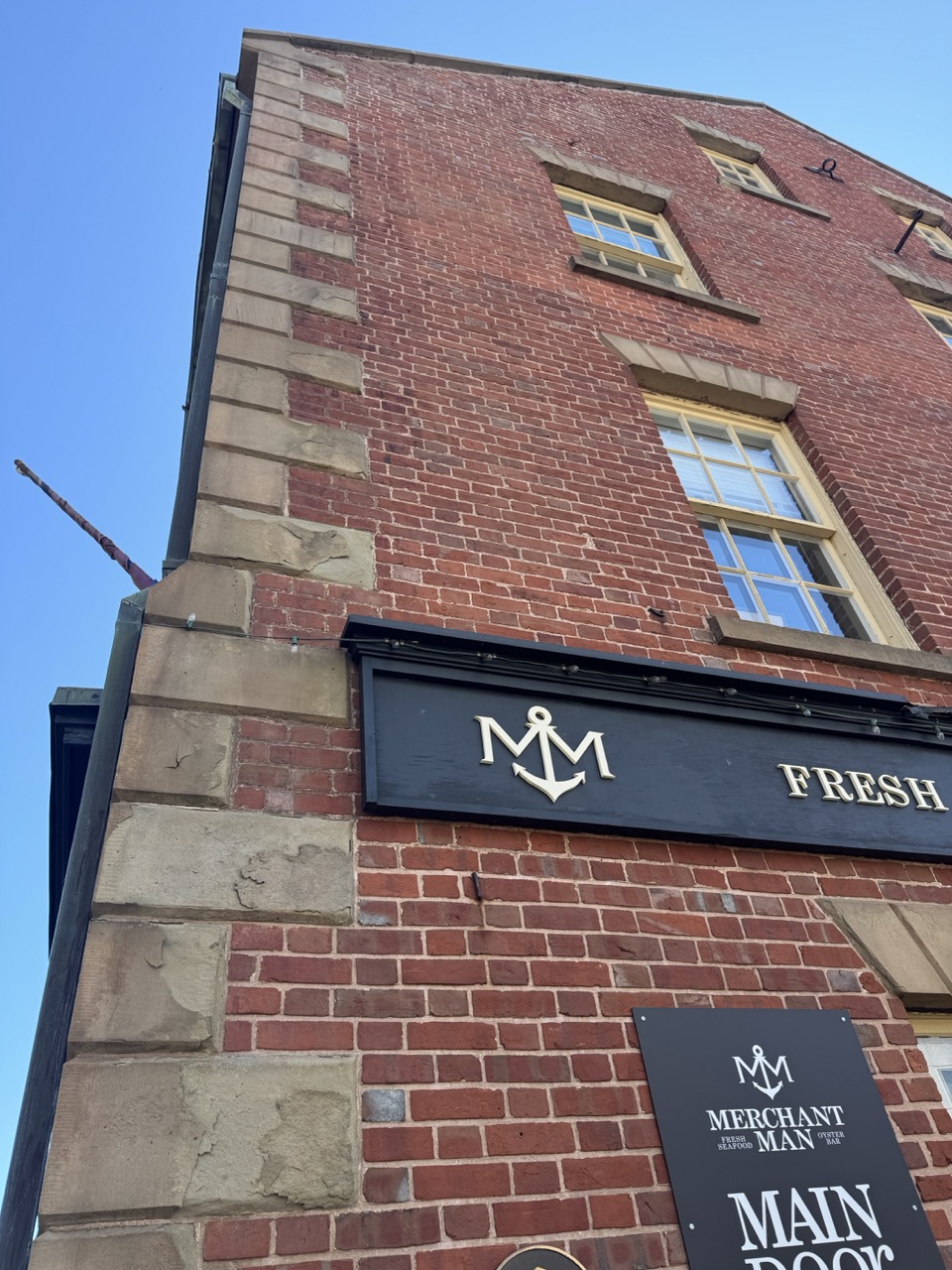
DinoMac combines generations of family stonemasonry knowledge with modern restoration tools and years of repair experience across Prince Edward Island.
Our approach is to understand why the masonry failed, preserve sound material where practical and make the repair visually and physically compatible with the wall around it.
DinoMac is PEI's highest-rated masonry contractor on Google, with a long-standing island-wide reputation for masonry repair, natural stone and restoration work.
Stop the active deterioration, protect the remaining masonry and avoid creating a new problem with the repair material itself.
DinoMac is based in Bonshaw and serves masonry restoration projects throughout Prince Edward Island, including Charlottetown, Stratford, Cornwall, Summerside and surrounding rural communities.
PEI exposure makes moisture management especially important. Rain, wind, salt in some coastal locations and repeated freeze-thaw cycles can accelerate mortar loss, spalling and deterioration once water begins entering a wall. Durable restoration therefore looks beyond the damaged joint to the water path, movement and previous repairs around it.
View PEI Service Areas“Working with Dinomac was not only smooth and timely, but the knowledge that Dean shared with us was equally valuable. They rebuilt our stone chimneys to remedy water ingress and provided consultation and recommendations on other areas of our home - for which we will also be hiring Dinomac! Cost effective, skilled, personable and trustworthy - highly recommend.”
DinoMac provides masonry restoration across Prince Edward Island, including brick, stone and block repointing, mortar matching, spalled or damaged unit replacement, selective rebuilding, repair of failed previous work, crack-related masonry repairs and correction of deterioration associated with water entry.
Repointing may be appropriate when the masonry units and wall remain stable but the mortar joints have deteriorated. Rebuilding becomes more appropriate when masonry has bulged, shifted, separated, lost stability or contains widespread unit damage. Some projects need a combination of repointing and localized rebuilding.
Repointing is the removal of deteriorated mortar from masonry joints and replacement with new mortar that is appropriate for the existing brick, stone or block. The goal is to restore the joint while preserving sound masonry around it.
Enough deteriorated mortar should be removed to reach sound material and provide adequate depth for the new mortar to bond properly. The required depth varies with the joint, masonry and condition, so a single fixed depth is not appropriate for every wall.
A restoration mortar can be selected to work with the existing masonry and can be adjusted for colour, aggregate and joint appearance. Compatibility in strength and moisture behaviour is more important than colour alone.
The terms are often used interchangeably, but technically repointing means renewing deteriorated mortar joints. Traditional tuckpointing is a decorative jointing technique that uses contrasting mortar lines to create the appearance of very fine joints.
Often, yes. If the surrounding wall remains sound, individual damaged bricks or stones can sometimes be removed and replaced without rebuilding the entire area.
Recurring failure can result from water entry, movement, incompatible mortar, insufficient joint preparation, poor curing or an unresolved building detail such as flashing or drainage. The cause should be addressed along with the joint repair.
In many cases, yes. Previous hard mortar, shallow surface pointing, incompatible patches and failed coatings can often be removed selectively so the underlying masonry can be repaired more appropriately.
Restoration is usually preferred when enough original masonry remains sound and stable to justify preservation. Rebuilding becomes more appropriate when movement, widespread deterioration or loss of stability makes localized repair unreliable.
Restoration works best when the repair responds to the material, moisture and movement rather than simply covering the visible damage.
See how joints should be opened, prepared, filled, tooled and cured.
Learn why strength, permeability and compatibility matter before choosing a mix.
Understand how moisture, freeze-thaw, coatings and incompatible mortar can contribute to spalling.
Use pattern, location, displacement and change over time to understand what a crack may be telling you.
Tell DinoMac what you are seeing, where the property is located and what you would like to accomplish. If you have photos, they can help establish the next step.
Send clear photographs of the full wall and close-ups of the deterioration, along with the project location and anything you have noticed about water, cracking or previous repairs.
A repeat lintel failure at the Charlottetown armoury required more than replacing steel. The repair addressed corrosion, damaged brickwork, flashing, missing weeps, incomplete movement joints and window perimeter sealing, with 1/4-inch stainless-steel lintels used for the severe coastal exposure.
Read the Armoury lintel & brick case study →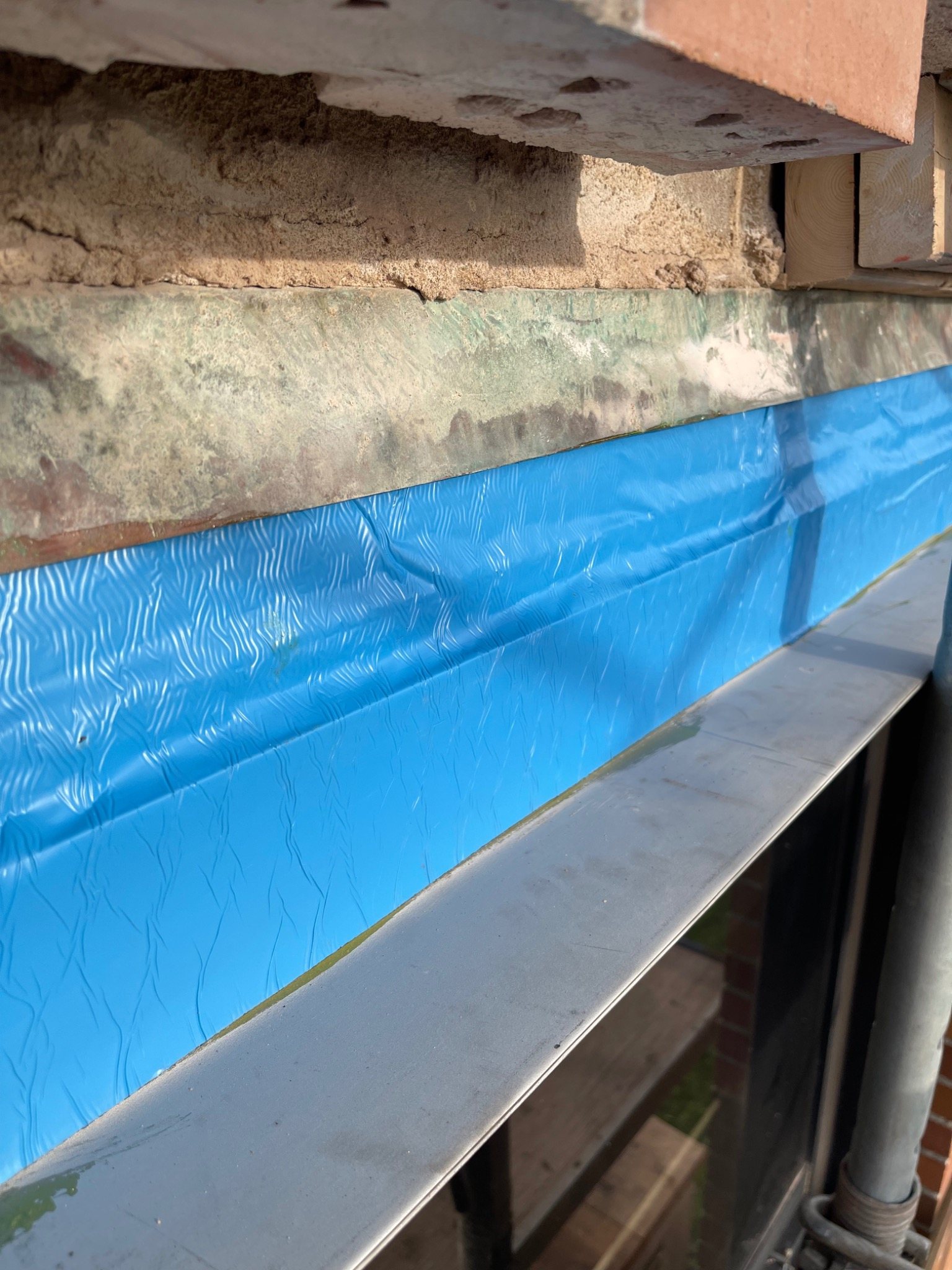
Field example: new stainless lintel, primed membrane flashing and retained through-wall copper flashing at a repaired brick opening.