Serving Prince Edward Island 902-940-6963  •  contact@dinomac.ca
DinoMac Masonry Knowledge Centre

Practical masonry guidance for Prince Edward Island buildings.

Masonry problems are rarely solved well by treating only the first visible symptom. This knowledge centre explains how chimneys, mortar, natural stone, foundations, moisture and Island weather interact so property owners can better understand the condition before deciding on a repair.

The guides combine practical masonry experience with recognized building, conservation and technical references. They are written for homeowners, building owners, property managers, heritage organizations and anyone responsible for maintaining brick, stone or masonry structures in PEI.

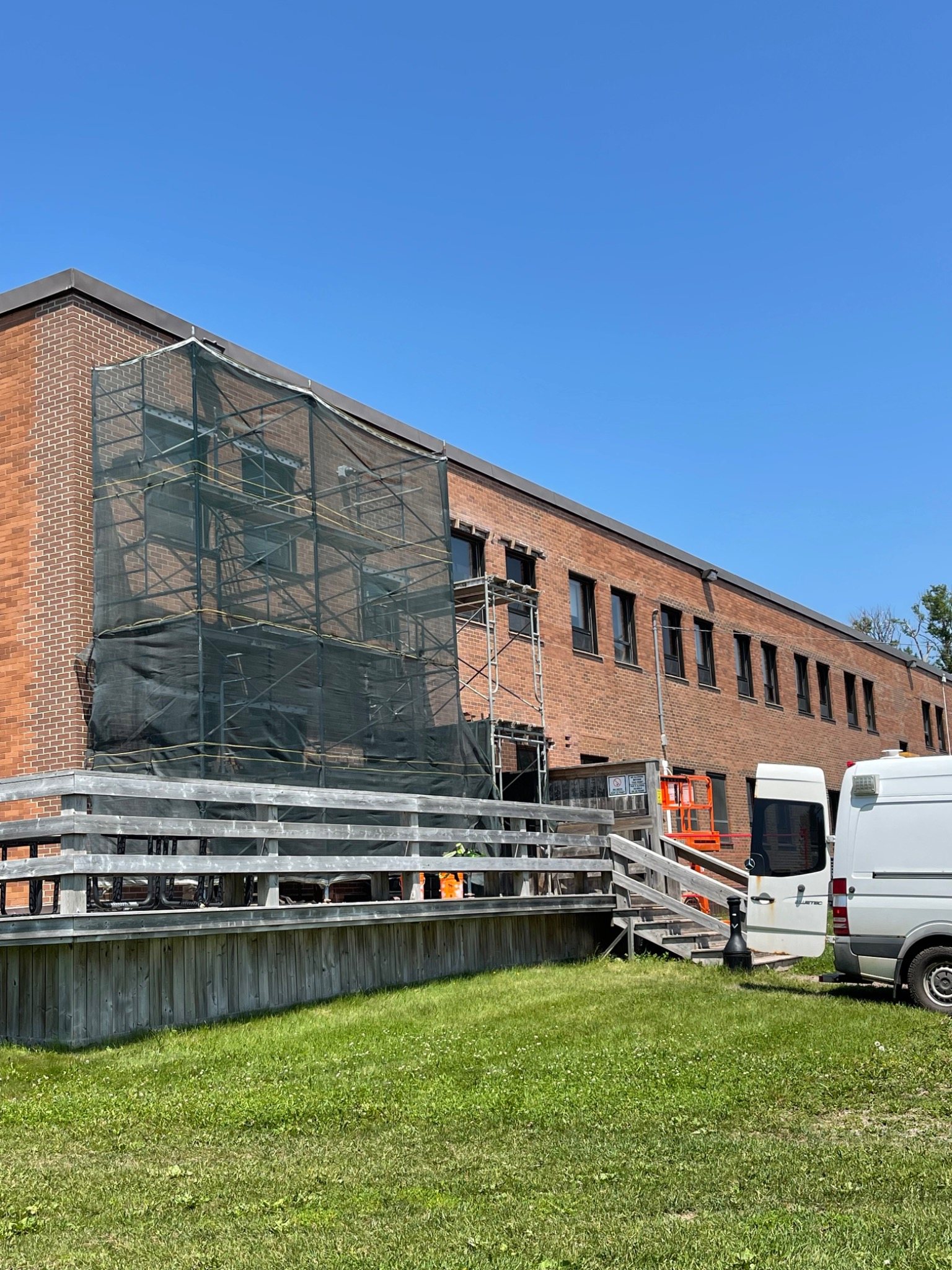
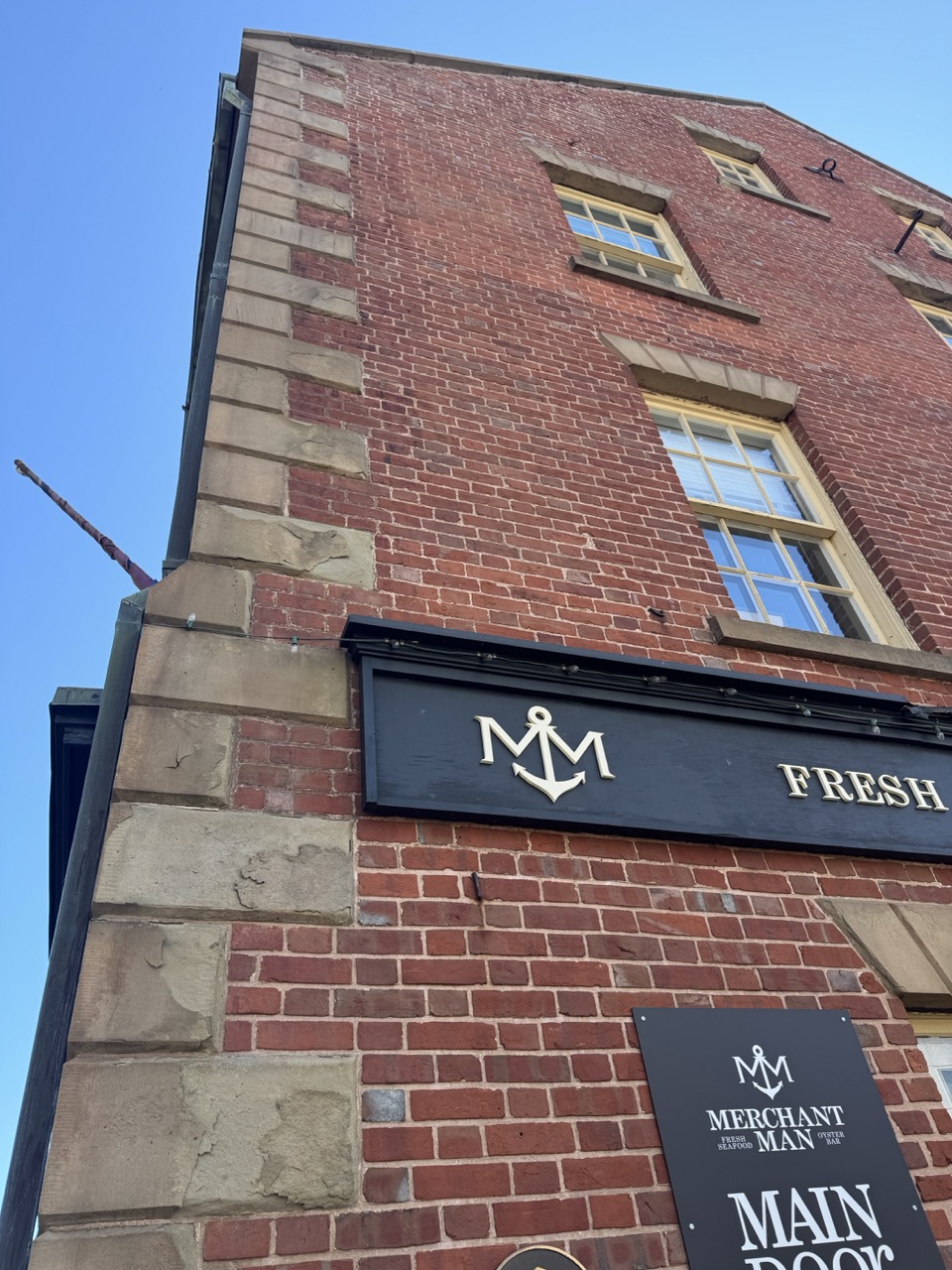
Masonry restoration and repair work by DinoMac Masonry in Prince Edward Island
Diagnose the cause, preserve what is sound, then match the repair to the actual condition. View Masonry Services
How to Use This Resource

Start with the symptom you can see, then follow the links to the likely causes.

A crack, leak or loose mortar joint does not automatically identify the repair. The surrounding pattern, location, exposure and wall construction usually provide the more useful clues.

Masonry Repair & Building Guides

Eight detailed guides covering common PEI masonry questions.

Each article links to related subjects and DinoMac service pages so you can move from a visible symptom to the broader building condition.

Visual Field Guide

Visual Masonry Damage Guide for PEI

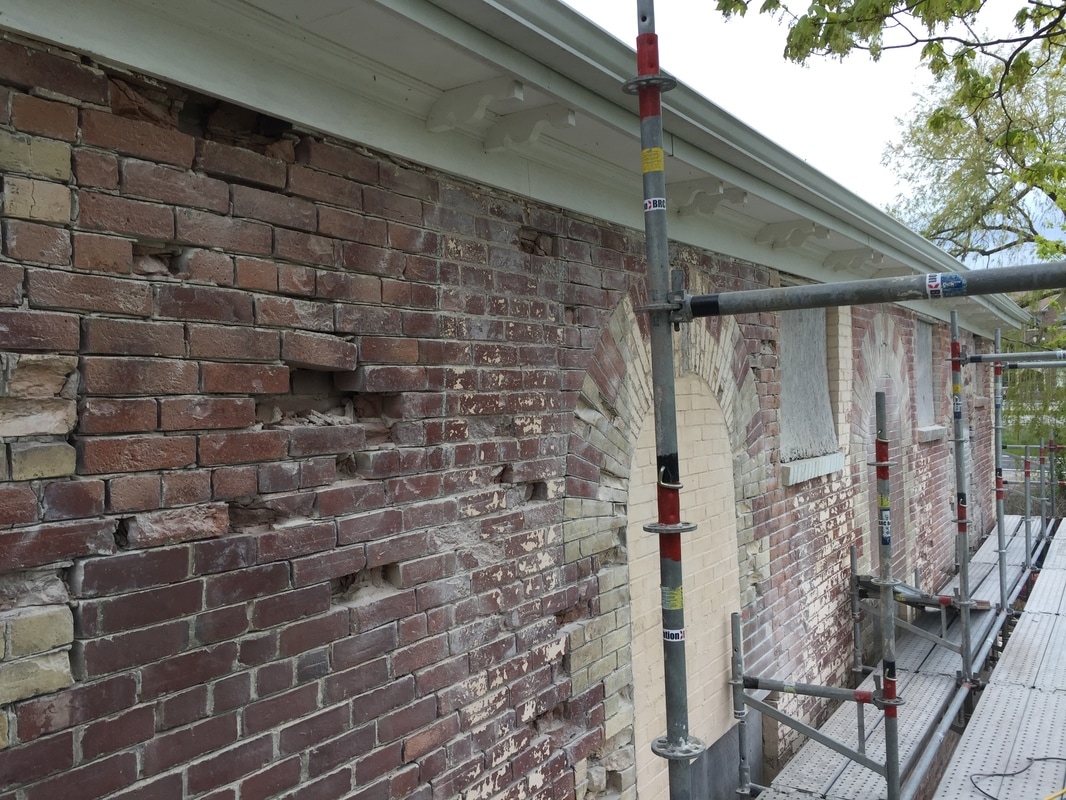
Use real DinoMac field photographs to recognize brick spalling, failed mortar, cracking, efflorescence, displaced masonry, chimney deterioration and previous repair problems, with explanations of what each pattern can indicate.

Open the visual damage guide →
Chimneys

Chimney Repointing or Rebuilding?

Learn when deteriorated mortar may call for repointing, when damaged brick can be replaced selectively, and when movement or widespread deterioration points toward a partial or complete rebuild.

Read the chimney guide →
Heritage Masonry

Historic Mortar Compatibility & Repointing

Understand why mortar strength, permeability, aggregate, joint depth, tooling, sample panels and careful removal matter when repairing older brick and stone.

Read the mortar guide →
PEI Climate

Freeze-Thaw Damage to Masonry

See how moisture content, exposure and repeated winter cycling can contribute to brick spalling, mortar loss, stone deterioration and damage at vulnerable building details.

Read the freeze-thaw guide →
Natural Stone

Natural Stone Veneer vs Full-Bed Stone

Compare adhered thin natural stone veneer with full-depth stone masonry, including structural support, drainage, flashing, wall depth, corners, openings and common failure patterns.

Read the natural stone guide →
Foundations

Signs an Older Stone Foundation Needs Repair

Learn how to distinguish normal irregularity from deep mortar loss, loose stone, bulging, recurring water entry and movement that may require rebuilding or structural review.

Read the foundation guide →
Estimating

What Affects Masonry Repair Cost in PEI?

Understand why access, scaffolding, demolition, material matching, hidden conditions, heritage requirements and the exact repair scope can matter more than a simple square-foot number.

Read the cost guide →
Moisture

Water Damage in Brick, Stone & Masonry

Follow the path of moisture through flashing, crowns, sills, drainage, cracks and wall assemblies, including efflorescence, coatings and freeze-thaw concerns.

Read the water-damage guide →
Core Masonry Principles

Different repairs share the same underlying questions.

These principles are useful whether the project involves a chimney, brick wall, natural stone facade, historic building or foundation.

Where is the water coming from?

Before sealing or repointing, look at roof drainage, flashing, crowns, sills, wall tops, grade and other places that determine how wet the masonry becomes.

What material is actually failing?

Failed mortar, failed brick or stone, structural movement and a failed water-management detail are different conditions and may require different repairs.

What can be retained?

Good restoration does not replace sound masonry without a reason. Preserving serviceable material can reduce disruption and retain the character of older buildings.

Are the materials compatible?

Mortar, masonry units, substrates, flashing and attachment systems should work together rather than creating a harder, less permeable or less flexible weak point somewhere else.

How does the wall drain and dry?

A durable exterior assembly needs a way to manage water. That may mean a drained cavity, flashing and weeps, or the drying capacity of traditional solid masonry depending on the wall type.

Is the condition changing?

Photographs taken from the same position over time can help distinguish an old stable condition from active movement or accelerating deterioration.

Why PEI Masonry Deserves Local Context

Island buildings combine historic construction, moisture exposure and repeated winter cycling.

Prince Edward Island contains a wide range of older brick and stone buildings as well as newer masonry construction. Repair decisions can be influenced by wind-driven rain, freeze-thaw exposure, coastal conditions, older lime-rich mortar, irregular stone foundations and generations of previous repairs.

That local context is why these guides connect general masonry principles to PEI conditions rather than treating every wall as though it were built in the same climate or period.

For formally recognized historic properties, conservation requirements and approvals may also affect the scope. See DinoMac's Heritage Masonry service page →

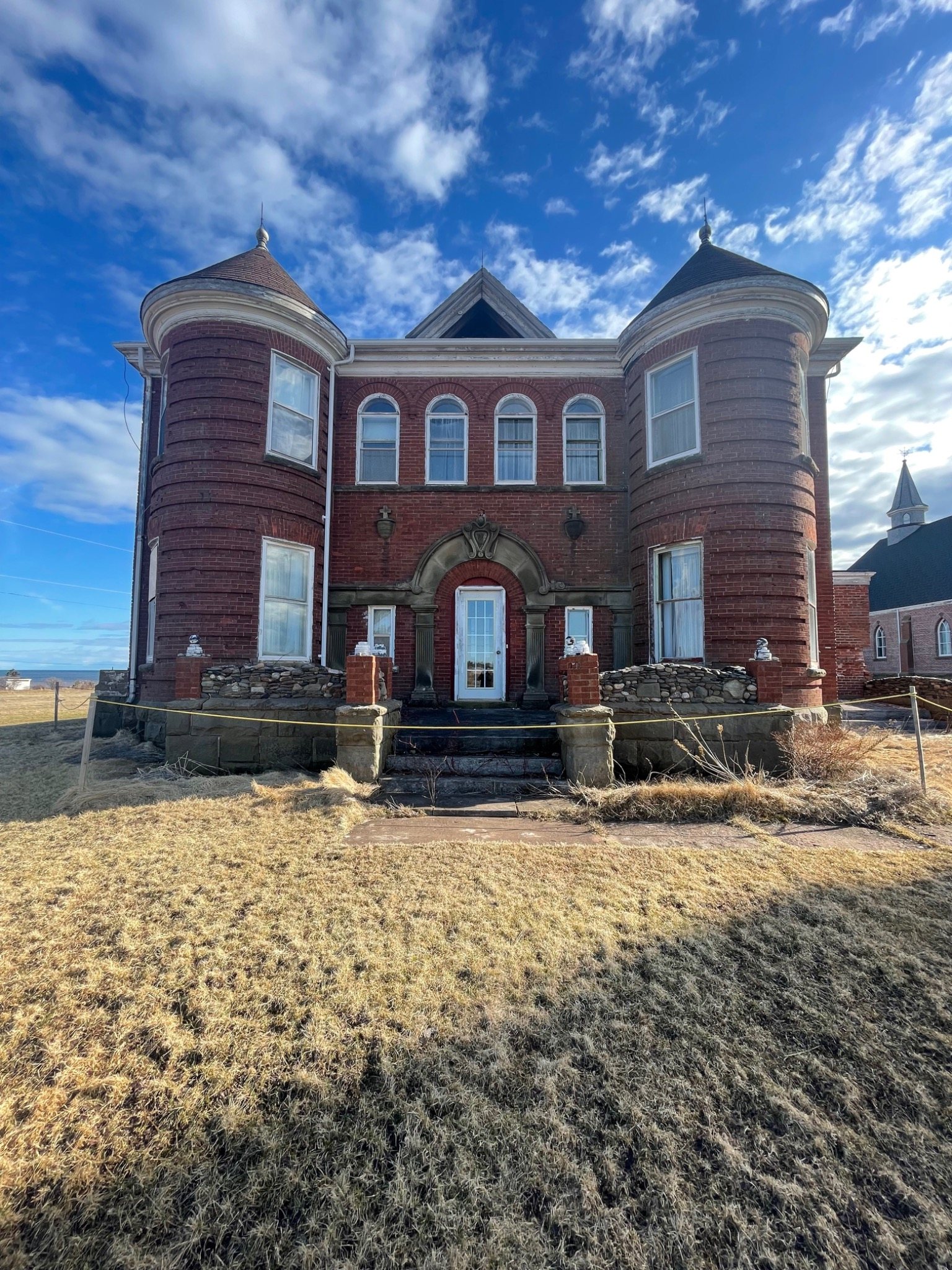
Heritage masonry work in Prince Edward Island
Technical & Conservation References

Primary and recognized sources used throughout the DinoMac resource library.

The guides link directly to relevant technical and conservation sources where readers may want to examine the underlying guidance in more detail.

National Research Council Canada

Canadian building research covering masonry weathering, moisture, rain penetration and freeze-thaw exposure.

NRC Publications Archive →

Government of Prince Edward Island

Provincial information on heritage places, permits and other PEI-specific requirements that can affect masonry work.

PEI Heritage Resources →

U.S. National Park Service

Preservation Briefs covering repointing, moisture control, masonry cleaning and other widely referenced conservation topics.

NPS Preservation Briefs →

Natural Stone Institute

Industry guidance for natural stone selection, fabrication, veneer, installation and moisture-control details.

Natural Stone Institute →

Building Science Corporation

Building-enclosure research and technical guidance on drainage, rain-control layers and water-managed wall assemblies.

Building Science Corporation →
From Guidance to Masonry Services

Once the condition is understood, the next step is defining the repair scope.

DinoMac provides masonry services across Prince Edward Island for homes, historic buildings, commercial properties and other structures. The detailed service pages explain the types of work available when a project moves from investigation to repair.

Information that helps with an initial masonry review

Property location
One or two wide photographs showing the whole area
Close-ups of cracks, loose joints or damaged units
Approximate building age if known
Any known previous repairs
Whether the condition changes after rain or winter

Send project details and photos →

Masonry in Practice

See how masonry repair and restoration come together on real PEI projects.

The guides in this knowledge centre explain the principles behind durable masonry work. Our project gallery shows those ideas in practice across heritage restoration, chimney work, natural stone, fireplaces, foundations and other masonry projects throughout Prince Edward Island.

Every building is different. Materials, exposure, access, previous repairs and the condition of the existing masonry all influence the final repair approach.

Explore completed DinoMac projects

View examples of masonry restoration, natural stonework, chimneys, fireplaces and other completed work across PEI.

View DinoMac Projects
Planning a Masonry Repair?

Start with the condition, not a guess at the solution.

Send the property location, a short description and clear photographs. DinoMac can help determine whether the next step is repair, further investigation or an on-site assessment.

Request an Estimate