Remove Failed Mortar Properly
Deteriorated mortar must be removed deeply enough to create a durable bond while avoiding unnecessary damage to the edges and faces of the original brick or stone.
Older masonry deserves a different approach from modern construction. DinoMac Masonry restores historic brick and stone buildings across Prince Edward Island with a focus on compatible materials, selective repair and preserving as much sound original work as practical.
Our heritage experience includes churches, schoolhouses, private estates, older homes and other traditional masonry buildings where the repair has to perform properly and visually belong to the structure around it.
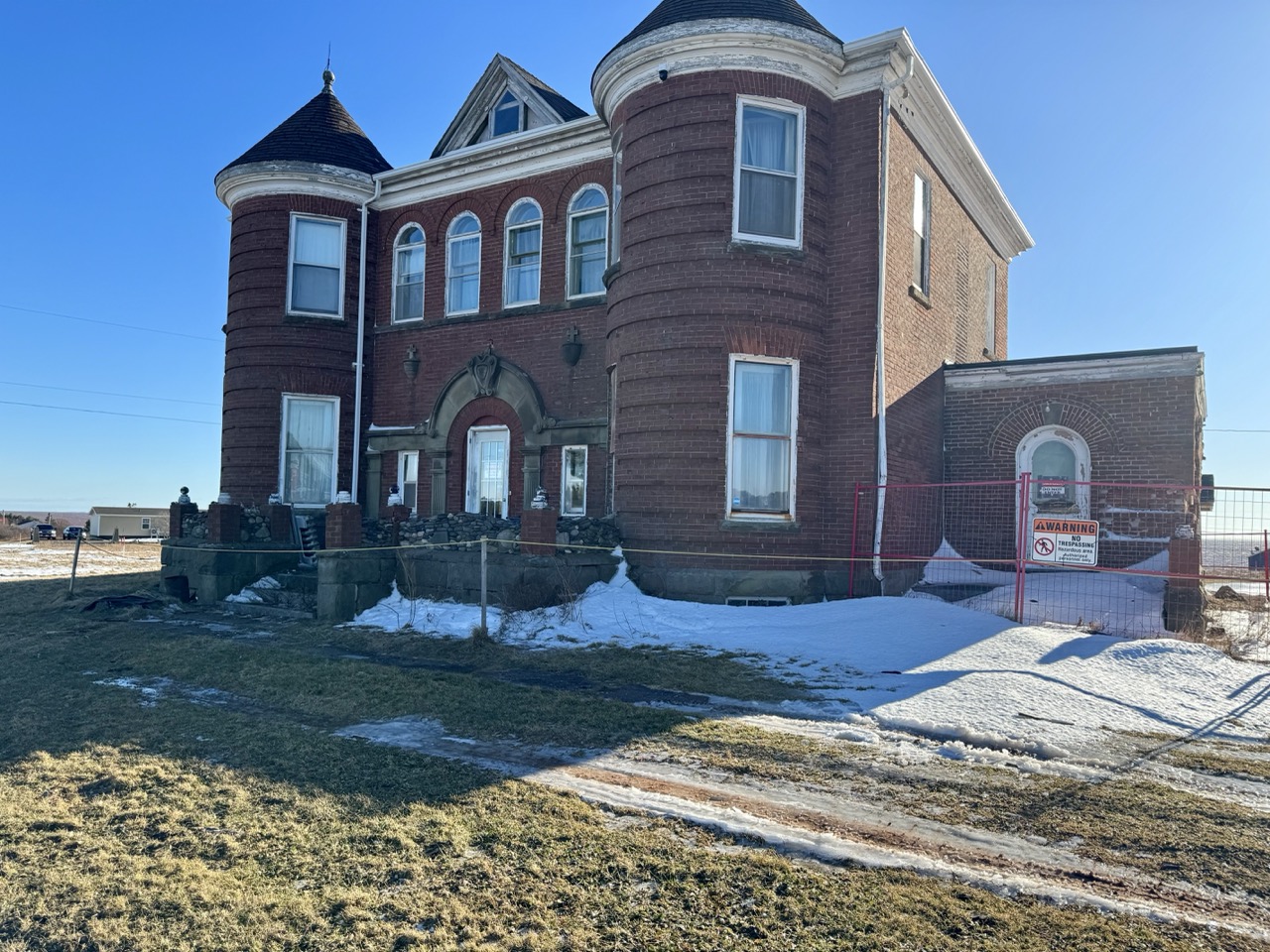
Many historic brick and stone buildings were built with softer, more vapour-permeable mortars and wall assemblies that behave differently from modern masonry veneer.
That means a repair material should not be chosen simply because it is stronger. A very hard or impermeable mortar can transfer stress into softer historic brick or stone and can interfere with the way moisture moves through the wall.
Heritage work begins by understanding what is original, what has already been altered, how the wall is shedding water and where the actual failure has begun.
A good heritage repair does not automatically mean dismantling an entire wall. If original brick, stone and mortar remain sound, they should usually be retained wherever practical.
Selective repair protects the character of the building and avoids unnecessary loss of original material.
Repointing historic masonry requires more than filling visible cracks with new mortar.
Deteriorated mortar must be removed deeply enough to create a durable bond while avoiding unnecessary damage to the edges and faces of the original brick or stone.
Colour and aggregate matter visually, but strength, permeability and compatibility with the existing masonry are even more important to the long-term performance of the repair.
Historic masonry often has a particular joint finish or profile that contributes to the appearance of the wall. Repointing should look like it belongs with the surrounding work.
The first step is understanding the building in front of us, not assuming that every old wall needs the same mortar, joint profile or repair method.
We look at the brick or stone, original mortar, previous repairs, joint profiles, water paths, movement and the condition of adjacent materials before deciding how the repair should be approached.
Original brick and stone that remain serviceable should normally stay in place. The goal is to remove only what has failed and avoid turning a repair into unnecessary replacement.
Mortar strength, vapour permeability, colour, aggregate, tooling and joint profile should be selected to work with the original wall rather than against it.
Many older masonry buildings were built with lime-rich or otherwise relatively soft mortars. These mortars were able to accommodate small amounts of movement and allow moisture to migrate through the joint rather than forcing that moisture into the masonry unit.
That does not mean every old wall automatically requires the same lime mortar. Existing materials, exposure, wall construction and the condition of the brick or stone all need to be considered.
What matters is compatibility. A replacement mortar should generally not be so hard or dense that it becomes stronger and less forgiving than the historic masonry around it.
When movement or moisture cannot be accommodated by the joint, stress may be transferred into the brick or stone itself. That can contribute to face loss, cracking and accelerated deterioration.
This is one reason heritage repointing should not be treated as ordinary modern masonry maintenance.
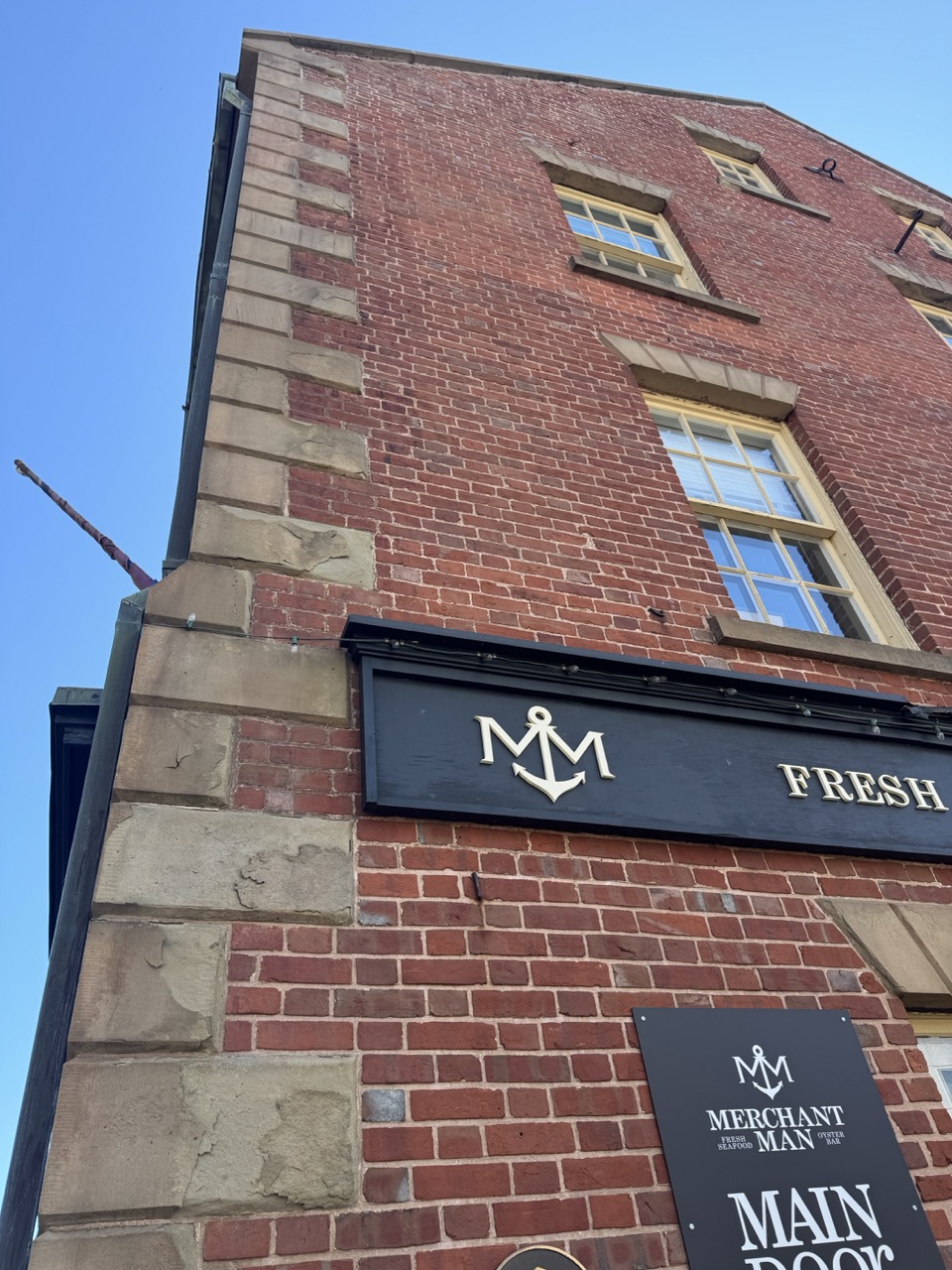
A small test area or mock-up can be useful before broad repointing or cleaning begins. It allows mortar colour, aggregate, joint profile and finished appearance to be reviewed under actual site conditions.
Photographs and notes taken during dismantling can also be valuable when sections of historic masonry must be rebuilt, especially where original stone patterns, bond or architectural details need to be preserved.
This kind of planning takes more time at the beginning, but it reduces the chance of repeating the wrong repair across a large wall.
When masonry has moved, bulged, cracked severely or lost enough mortar that stability is compromised, repointing alone may not solve the problem.
In those cases, the failed section can sometimes be dismantled, salvageable original units retained, and the masonry rebuilt using appropriate materials and detailing.
The objective is to correct the structural or weather-related problem without turning an historic wall into a patchwork of unnecessary replacement.
Localized wall rebuilding, failed sill repair, chimney restoration, replacement of deteriorated brick or stone, opening modifications, crack repair, water-management corrections and selective stabilization can all form part of a heritage masonry project.
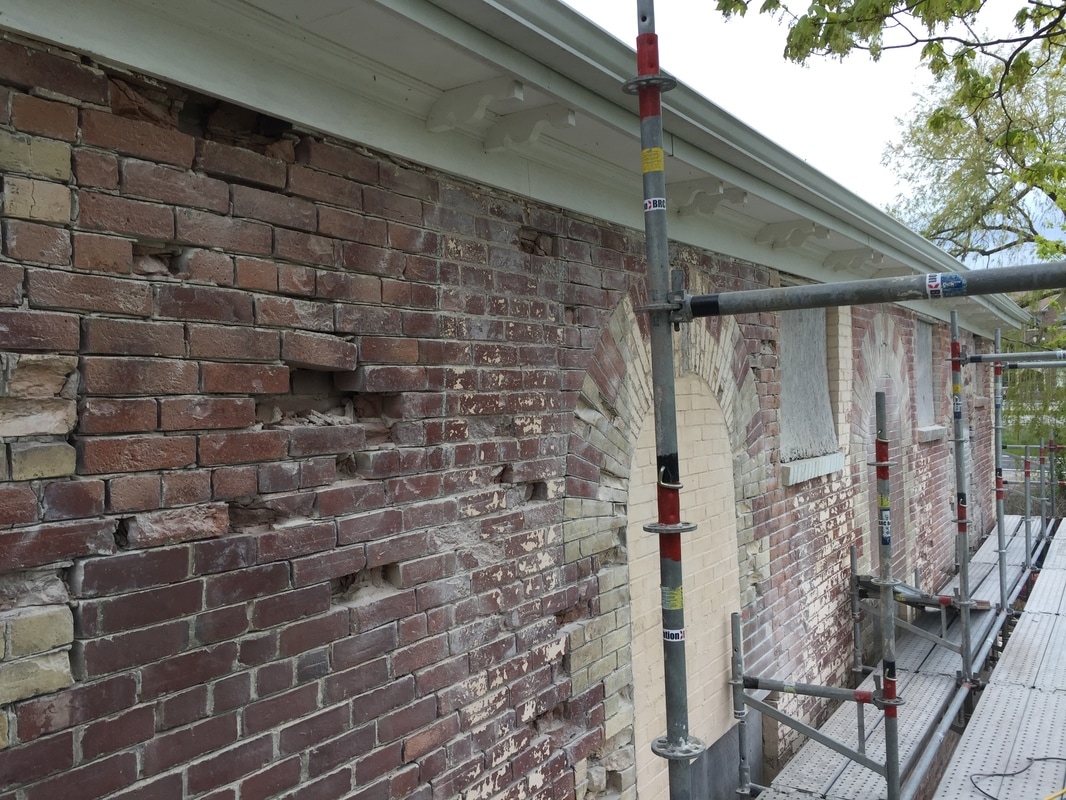
Historic brick is often softer than modern brick. If it is paired with an overly hard mortar, moisture and movement can be forced into the brick instead of being absorbed by the mortar joint.
That can contribute to cracking, face loss and spalling. The repair should therefore consider the condition of both the mortar and the brick before a replacement mix is selected.
Where individual bricks have failed, selective replacement can often be carried out without disturbing the surrounding sound masonry.
Natural stone walls can survive for generations, but their performance depends on bearing, jointing, drainage, wall thickness and the relationship between the stone and mortar.
Repairing an older stone wall may involve repointing, resetting loose stones, rebuilding unstable sections, replacing isolated failed units or correcting water entry that has been washing material from the wall.
DinoMac's background in natural stone masonry is particularly valuable on heritage projects because the restoration has to respect both the structural logic and the visual rhythm of the original work.
Natural Stone Masonry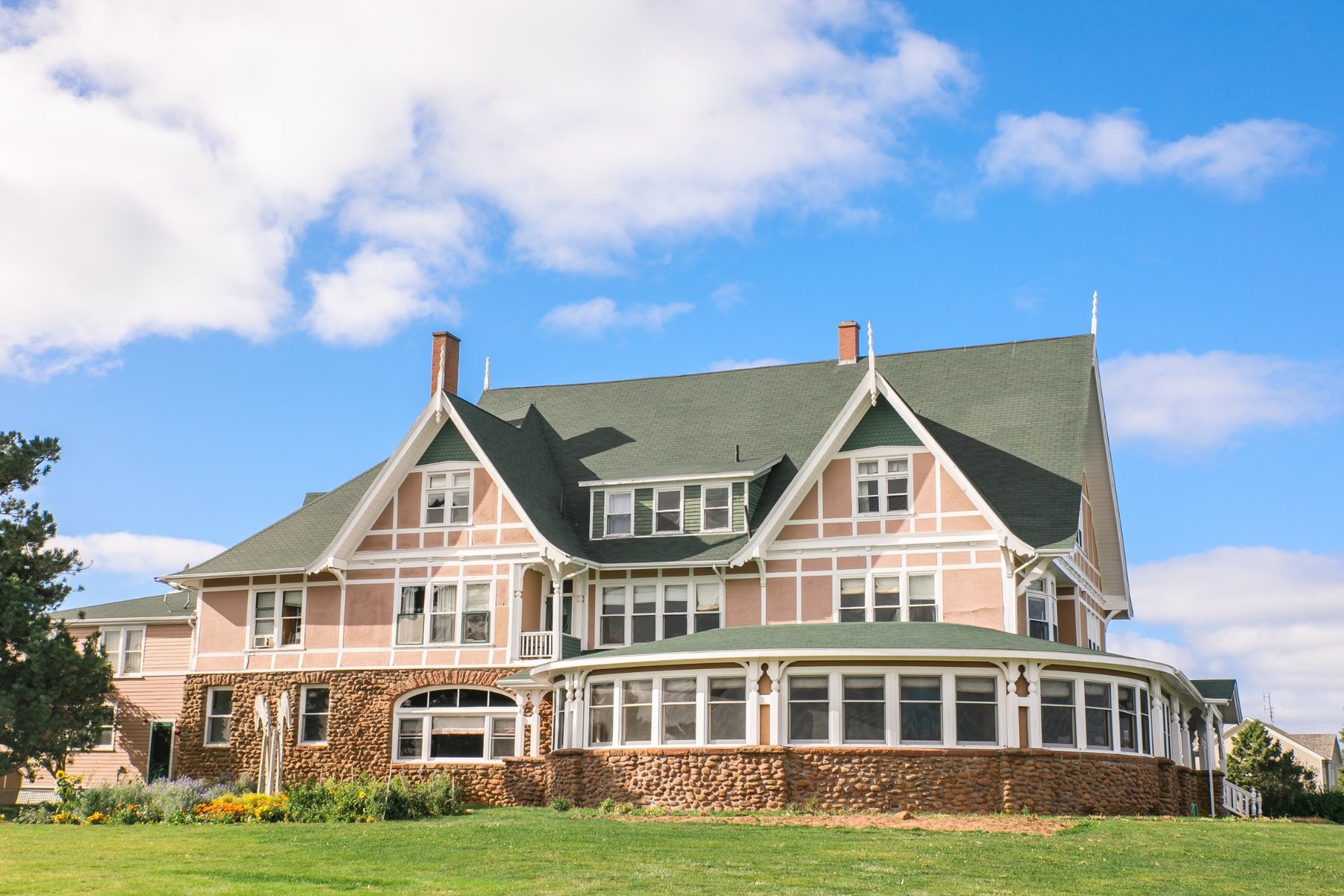
Repairing joints without understanding where water is coming from can leave the root cause untouched.
Chimneys, parapets and wall-to-roof transitions can allow water into masonry long before staining appears on the interior.
Cracked or poorly shedding horizontal masonry surfaces can direct water into the wall instead of away from it.
Foundations and lower walls can deteriorate when water is allowed to remain against masonry or when drainage patterns change around the building.
Matching historic brick and stone can be difficult, and unnecessary replacement can erase the very character the restoration is meant to protect.
When sections must be dismantled, sound original brick or stone can often be cleaned and reused in the rebuilt work.
New units should be introduced only where existing masonry has actually failed or where missing material has to be recreated.
The best heritage repair should not draw the eye immediately to the area that was worked on. Colour, texture, unit size and joint finish all matter.
Churches, institutional buildings, estates and large historic homes often benefit from a phased repair strategy. The most vulnerable areas can be addressed first while less urgent work is planned over future seasons.
Chimneys, parapets, failing sills, active water-entry areas and unstable masonry usually deserve higher priority than sound wall areas that only need routine future maintenance.
For owners and property managers, this approach can turn a large restoration into a manageable maintenance plan instead of waiting for several areas to fail at the same time.
Aggressive pressure washing, harsh acids and inappropriate coatings can permanently damage older brick, mortar and stone.
The safest approach is usually to begin with the least aggressive method that can achieve the required result. Any chemical cleaner or water-repellent treatment should be selected for the actual masonry and tested before broad use.
Film-forming sealers are not automatically appropriate for historic walls. Where water repellents are considered, vapour permeability and existing moisture conditions matter.
Heritage masonry is not limited to formally designated buildings. Many ordinary Island buildings contain traditional masonry that deserves the same careful approach.
Brick and stone walls, chimneys, entrances, foundations and other masonry on older public and community buildings.
Restoration work where maintaining historic character is as important as correcting deterioration.
Chimneys, foundations, exterior walls, fireplaces, stonework and architectural masonry on older residential properties.
Heritage masonry problems are not limited to the main exterior walls. Chimneys and foundations often reveal deterioration first because they experience harsher moisture and temperature conditions.
Older chimneys can suffer from open joints, spalled brick, failed crowns, inappropriate previous mortar, leaking flashing and deteriorated flue systems. Repair may range from repointing and selective brick replacement to partial or complete rebuilding.
Chimney restoration →Stone and early masonry foundations can lose mortar internally as well as at the face. Repointing, resetting loose stone, selective rebuilding and other repairs may be needed depending on the wall construction and condition.
Foundation masonry →Heritage masonry can be harmed by aggressive mortar removal, overly hard mortar, surface-only pointing, impermeable coatings, excessive pressure washing and repairs that ignore water entry.
Another common mistake is replacing far more original masonry than necessary. Once historic brick or stone is removed, it is difficult to recreate the same material, workmanship and patina.
A good restoration should solve the failure without sacrificing more of the original building than the repair actually requires.
DinoMac combines generations of family stonemasonry knowledge with modern restoration tools and an island-wide reputation for detailed masonry work.
That combination matters on heritage buildings because the work often requires judgment rather than a one-size-fits-all specification.
DinoMac is also PEI's highest-rated masonry contractor on Google, reflecting the reputation built through customer work across the Island.
Understand the failure, retain sound original material, use compatible repair methods, correct the water path and leave the finished work looking like it belongs to the building.
Older institutional and community buildings often have more masonry than can reasonably be repaired in a single season. A condition-based review can help identify which areas need immediate intervention and which can be scheduled later.
This is particularly useful for churches, community buildings, estates and organizations responsible for long-term stewardship of historic property.
DinoMac can help owners understand masonry priorities, likely repair approaches and practical sequencing of work.
Early repointing, crown repairs, sill repairs and water-management work can often protect larger sections of otherwise sound historic masonry.
Discuss a Building ReviewOlder brick and stone buildings often use softer, more vapour-permeable mortars and wall assemblies that manage moisture differently from modern construction. Repair materials and methods should be compatible with the original masonry rather than simply stronger or harder.
Often, yes. Sound original masonry should generally be retained where practical. Repointing, selective unit replacement and localized rebuilding can often preserve much of the original wall while correcting the failed areas.
Mortar should usually be sacrificial to the masonry units around it. A mortar that is too hard or too impermeable can transfer stress and moisture into softer historic brick or stone, accelerating damage.
Yes. DinoMac Masonry has experience with churches, schoolhouses, private estates, older homes and other historic masonry structures throughout Prince Edward Island.
Some coatings and film-forming sealers can trap moisture and create problems in older walls. Any treatment should be selected carefully for the specific masonry, exposure and moisture behaviour of the building.
Have the cause assessed before covering the symptom. Cracking can result from water, movement, failed mortar, structural issues, inappropriate past repairs or a combination of factors.
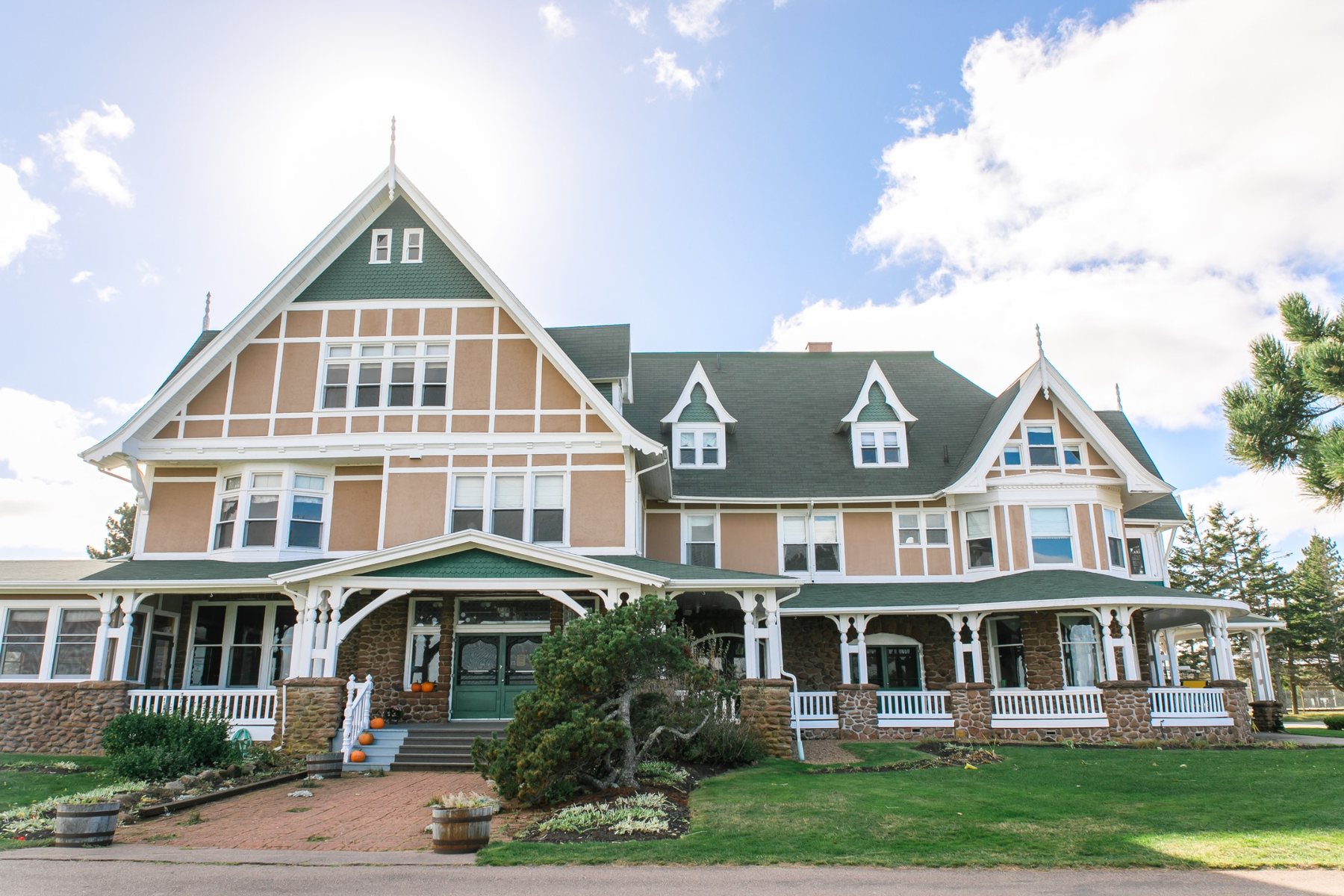
See DinoMac's substantial sandstone masonry work at Dalvay-by-the-Sea National Historic Site, where compatible mortar, water management, stone sill geometry and heavily used fireplaces all mattered to the repair.
Read the Dalvay Case StudyNext heritage case study: Mont-Carmel monument & war memorial restoration →
Separate from DinoMac's completed heritage case studies, The Parish Project documents a multi-year building restoration involving water damage, failed floors, historic brickwork, original interior fabric and the introduction of modern building systems.
The page is updated as major phases are completed and clearly distinguishes current work from finished results.
Explore The Parish Project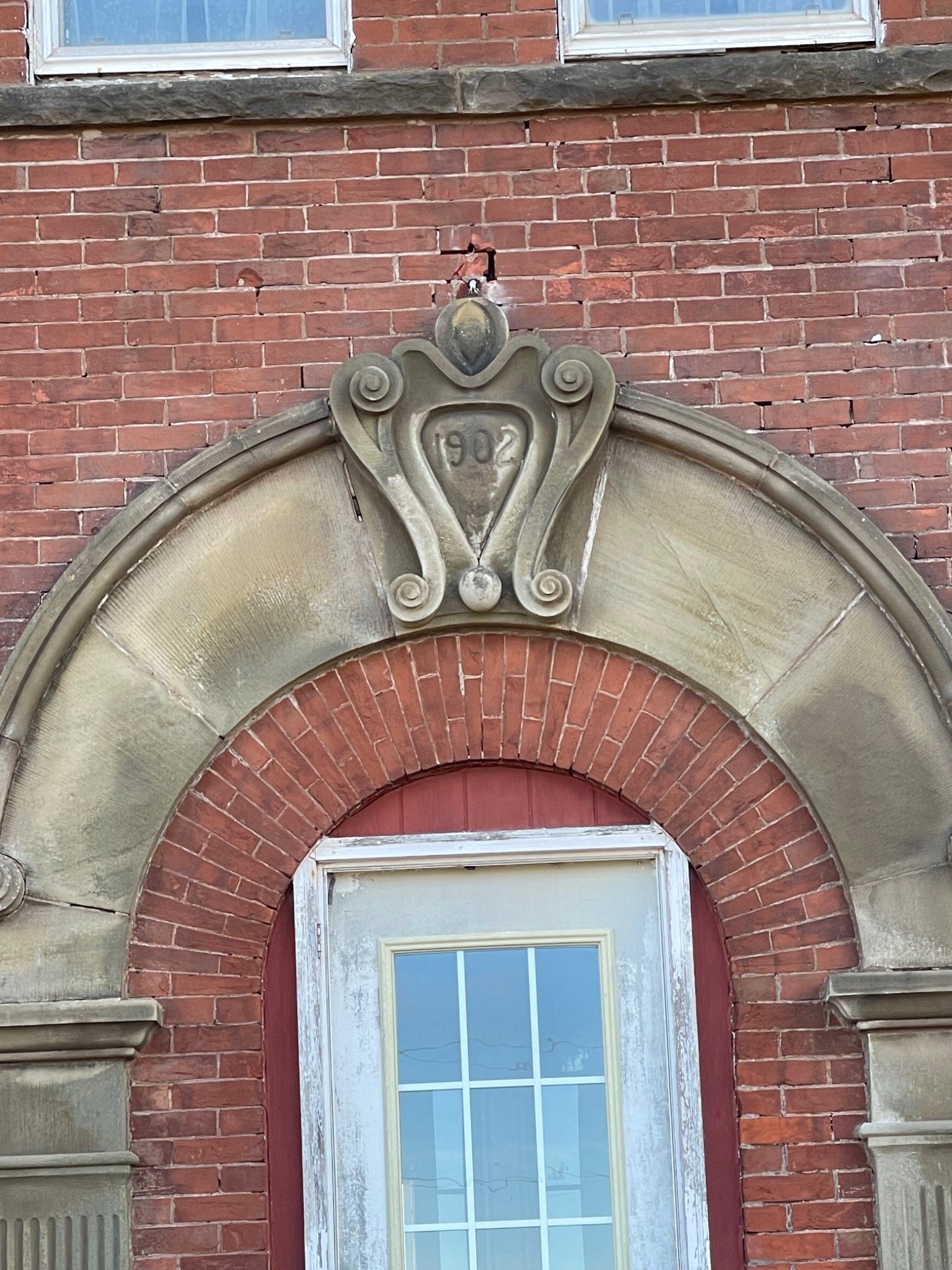
Heritage fabric in place: the project combines preservation of original masonry and architectural details with structural and building-system renewal.
The best heritage repair often starts with identifying original materials, previous interventions and how the wall was designed to manage moisture.
Why older masonry often needs a softer, more compatible repair mortar.
See how careful removal, preparation, tooling and curing protect older masonry.
Learn why aggressive pressure and harsh cleaning can permanently damage old masonry.
Understand multi-wythe wall construction, moisture movement and why older walls behave differently from veneer.
Tell DinoMac what you are seeing, where the property is located and what you would like to accomplish. If you have photos, they can help establish the next step.
Send the property location, clear photos of the affected masonry and a short description of what you are seeing. For larger heritage work, an on-site review is usually the best starting point.