The Problem
What the owner could see and what condition the masonry was actually in.
The Knowledge Centre explains how masonry problems work. These case studies show how those principles are applied on actual DinoMac projects in Prince Edward Island.
Each case study documents the existing condition, the repair strategy, important material decisions and the work completed. The goal is to show why the repair was chosen, not just what the finished masonry looked like.
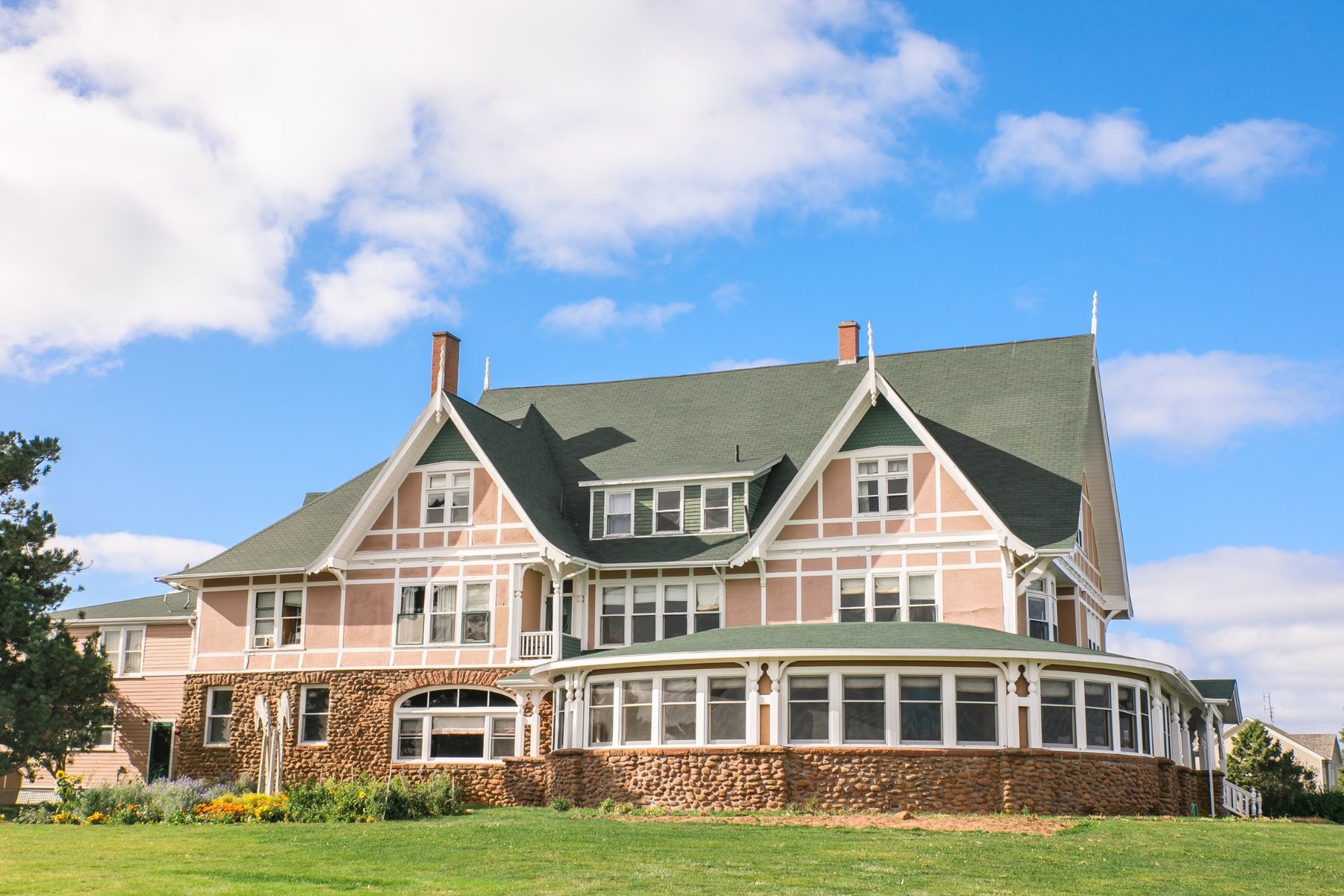
At this National Historic Site and Classified Federal Heritage Building, sandstone erosion, mortar compatibility, water management, stone sills and heavily used fireplaces all formed part of the same restoration program.
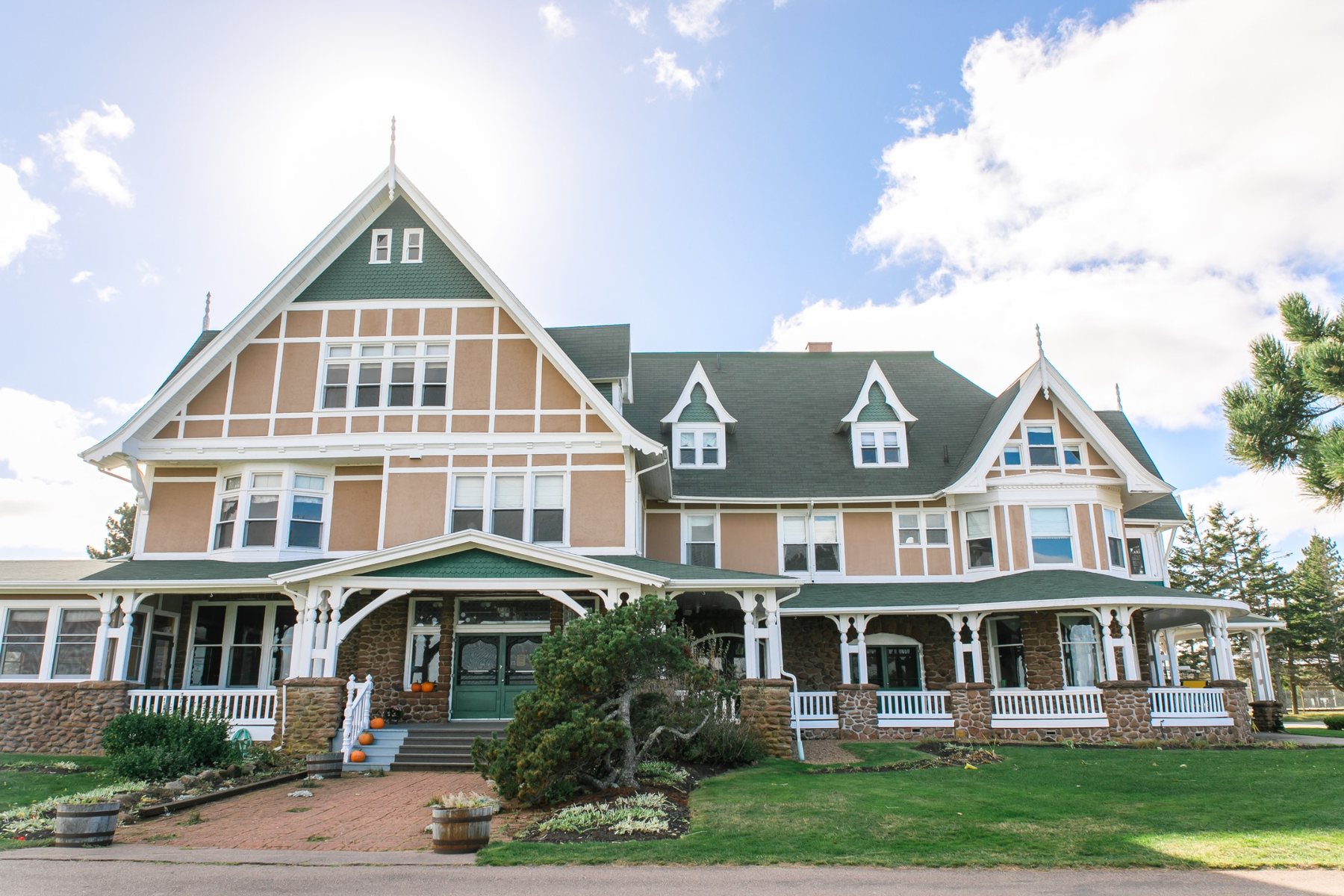
DinoMac carried out substantial work to the property's historic sandstone masonry, carefully removing hard previous mortar by hand, developing multiple mortar mock-ups, using PEI sand to help match the pink tone of the existing lime mortar, correcting downspout discharge, repairing stone sills and restoring the two main fireplaces.
A community-funded heritage project involving century-old fieldstone monuments, compatible lime mortar, original stone reuse, concealed stainless reinforcement and water-management repairs.
DinoMac repaired deteriorated monument masonry, rebuilt failed sections with original fieldstone, used stainless-steel helical ties at a broken corner, consolidated internal voids with new mortar, reconstructed lime-mortar coping elements and addressed recurring water entry.
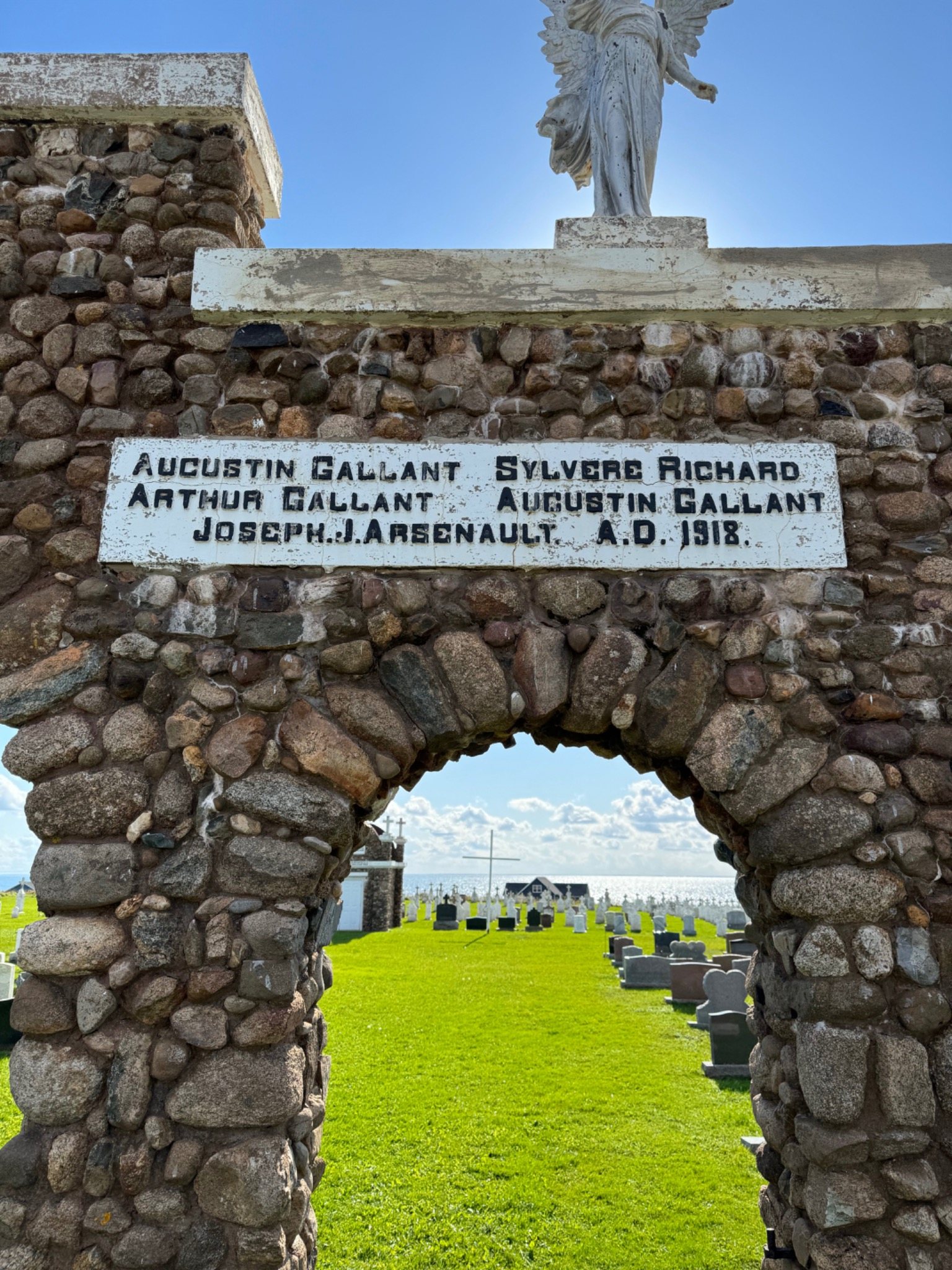
Secondary featured case study: Mont-Carmel follows Dalvay in the case-study library while Dalvay remains DinoMac's primary flagship heritage project.
A second-generation lintel repair where corrosion, drainage, movement joints and previous brick repairs all had to be corrected together.
DinoMac replaced widespread corroded window lintels with 1/4-inch stainless steel, rebuilt damaged brick, integrated new primed membrane flashing with existing through-wall copper, added missing weeps, cut proper movement joints and recaulked the windows.
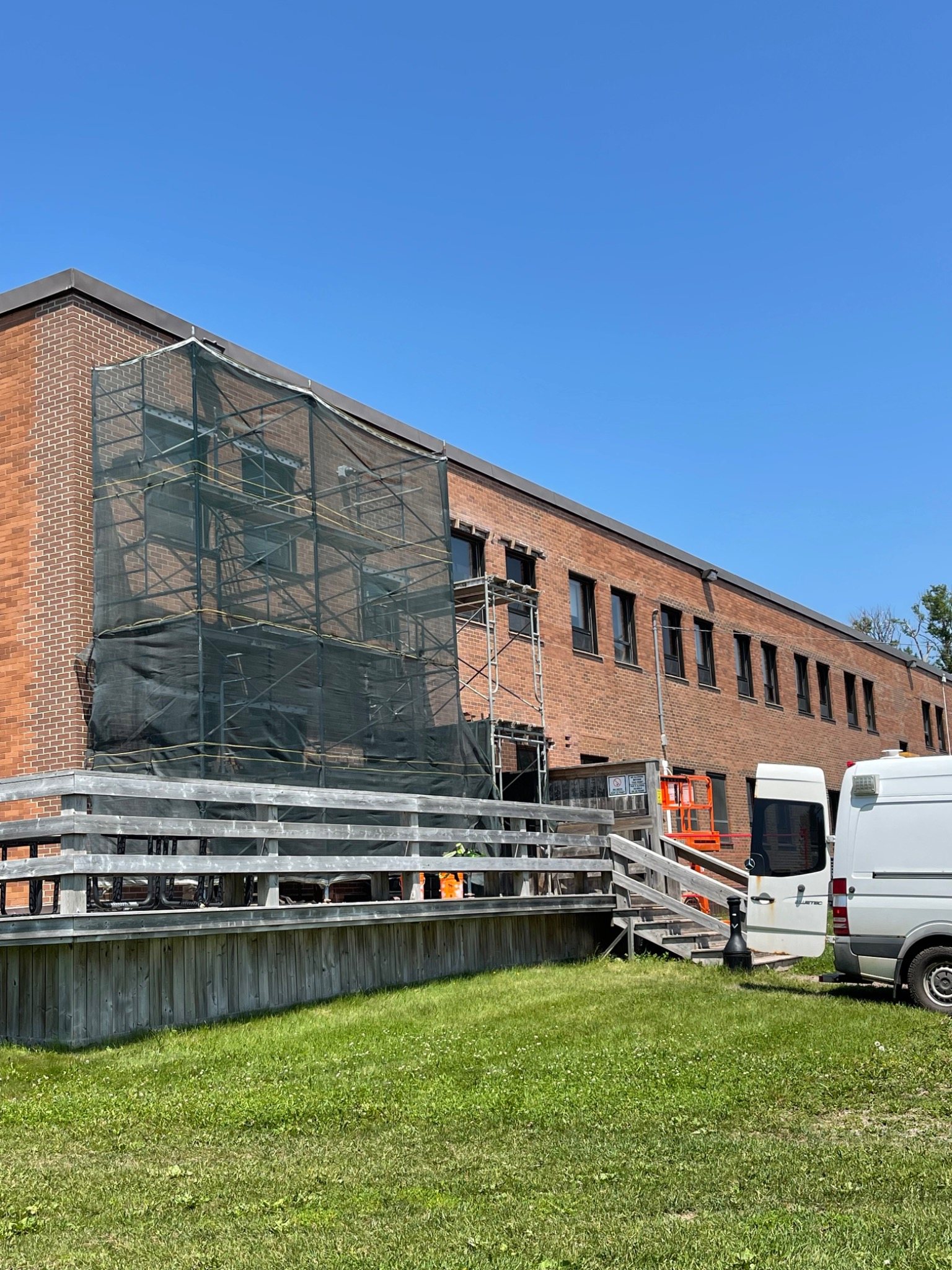
Case study #3: a commercial masonry-envelope project that adds coastal lintel, brick movement and drainage expertise to the case-study library.
A reported lightning strike involving a steel roof, chimney flashing, basement cleanout and metal chimney liner created an unusual question: did the liner need to be replaced?
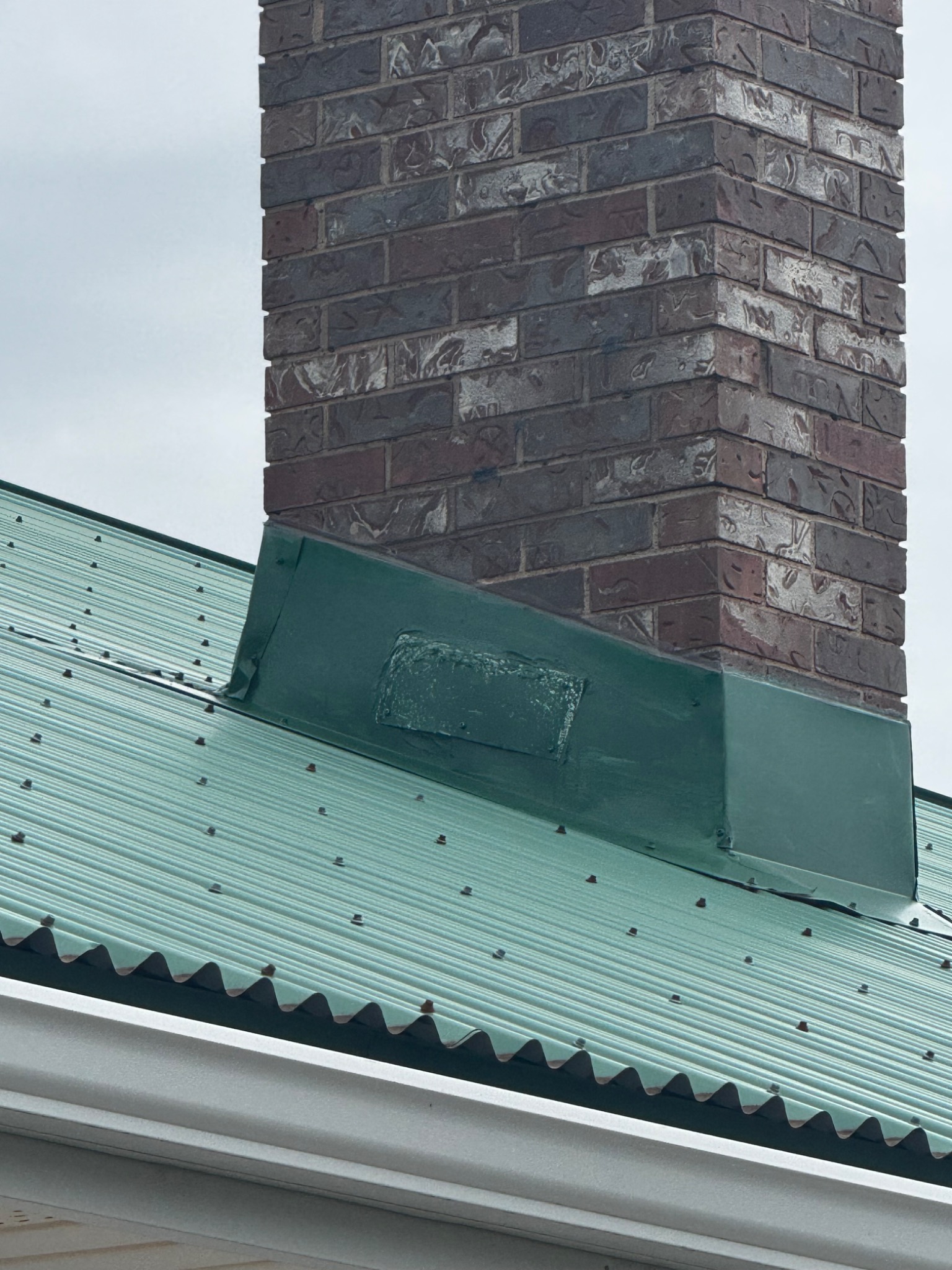
Case study #4: physical damage appeared around the chimney system, but the accessible metal liner remained clear and serviceable.
The inspection followed evidence from the roof to basement level, including repaired flashing damage, a displaced cleanout, localized floor damage and electrical equipment affected elsewhere in the home. The metal liner was then inspected from the accessible lower section and remained visually intact, clear and unobstructed through to daylight.
A multi-year restoration of a 1902 brick parish house that stood vacant for more than two decades. This project is documented separately because it is still actively underway.
Active leaks have been stopped, roughly two-thirds of the roof has been replaced, major floor sections have been rebuilt, modern services are being introduced, and original masonry and architectural fabric are being retained wherever practical.
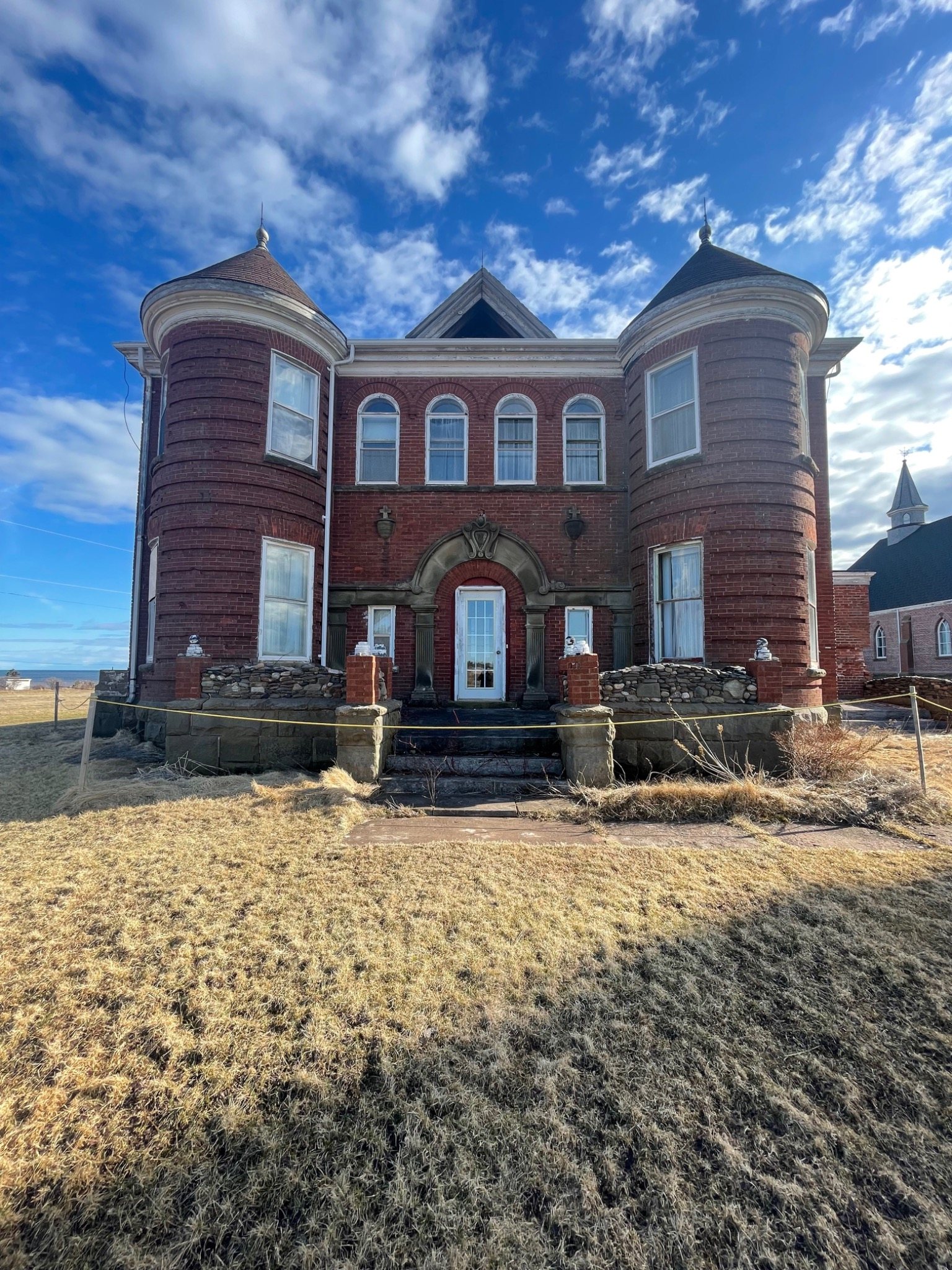
Separate from the numbered case studies: Dalvay remains the flagship completed case study, while The Parish Project continues to evolve.
The case-study library is built around real repair decisions and field conditions.
What the owner could see and what condition the masonry was actually in.
Why repointing, rebuilding, reinforcement, drainage or another approach was selected.
Materials, access, preparation, hidden conditions and the result once the repair was completed.
Wide views and close-ups make it easier to understand the building, the damaged area and the likely next step.