Chimneys
Crowns, top courses, caps and flashing areas are exposed to rain, snow and wind from every direction.
Cold weather by itself is not the whole problem. Freeze-thaw deterioration becomes much more likely when brick, stone, mortar or concrete repeatedly absorbs water and then freezes while that moisture is still inside the material.
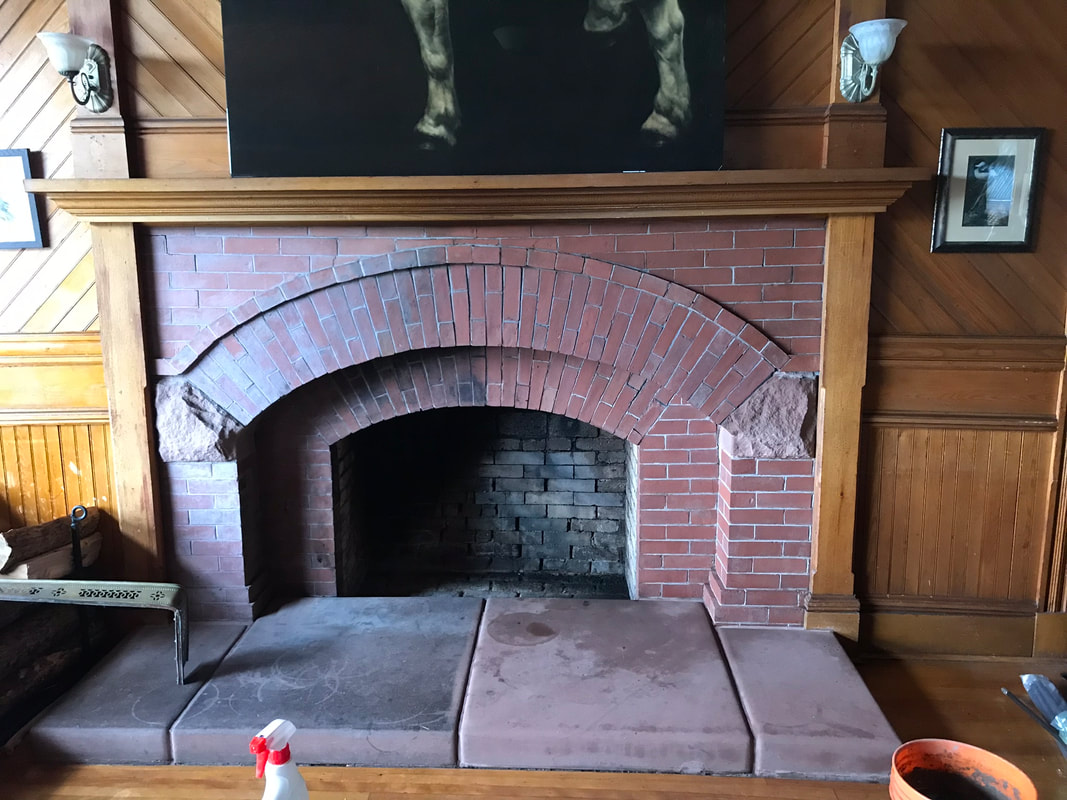
Brick, stone, mortar and concrete all contain pores and small voids. When water enters those materials and temperatures drop below freezing, the moisture can expand and place stress on the surrounding material.
One freeze does not automatically destroy masonry. The concern is repeated cycles combined with saturation, existing cracks, open joints, poor drainage or materials that are already deteriorated.
Across Atlantic Canada and other cold, wet climates, changing winter temperatures can produce many cycles of wetting, freezing and thawing over a season.
National Research Council Canada research on brick and masonry weathering has long identified two important parts of freeze-thaw durability: the properties of the masonry material itself and the conditions it experiences in service.
NRC exposure studies found that moisture content, freeze-thaw cycling, freezing rate, geographic location, season and wall orientation can all affect what a masonry unit actually experiences in service. Two walls built from similar materials can therefore weather differently because one becomes wetter, freezes under different conditions or dries more slowly.
The number of times the air temperature crosses 0°C is not, by itself, a useful measure of masonry damage. How wet the brick, stone or mortar is when freezing occurs matters greatly. Wind-driven rain, shade, solar exposure, roof runoff, snow accumulation and drying time can make one elevation much more vulnerable than another during the same winter.
That helps explain why deterioration is frequently concentrated on certain elevations, at wall tops, around sills, on chimneys, near grade or below defective water-shedding details rather than appearing uniformly across an entire building.
National Research Council Canada: Freeze-thaw action on brick →
NRC Canada: Moisture content and freeze-thaw cycles of masonry materials →
The most vulnerable area is often the place that stays wet longest or receives the most direct weather.
Crowns, top courses, caps and flashing areas are exposed to rain, snow and wind from every direction.
Horizontal masonry that sheds water poorly can keep the wall below saturated.
Lower walls can remain wet because of grading, splash-back, snow accumulation or groundwater conditions.
Exposed wall tops receive weather from both sides and depend heavily on proper caps and flashing.
Snow, de-icing salts, standing water and repeated surface saturation can accelerate deterioration.
Hard patches, shallow pointing and incompatible materials may weather differently from the surrounding masonry.
Parks Canada's conservation work at Province House National Historic Site provides a useful local example. Parks Canada has described chronic water infiltration and annual freeze-thaw cycling as major causes of deterioration in the building's historic stone walls.
During investigation, some conditions proved significantly worse than could be seen from the finished surfaces. Parks Canada's project material also describes saturated masonry in exposed portico foundation walls where freeze-thaw cycling contributed to deterioration of sandstone and mortar.
The lesson applies beyond monumental heritage buildings: a masonry surface can look manageable while repeated moisture movement is causing deeper deterioration inside a wall.
Parks Canada: Province House conservation FAQ →
Parks Canada: Province House conservation video series →
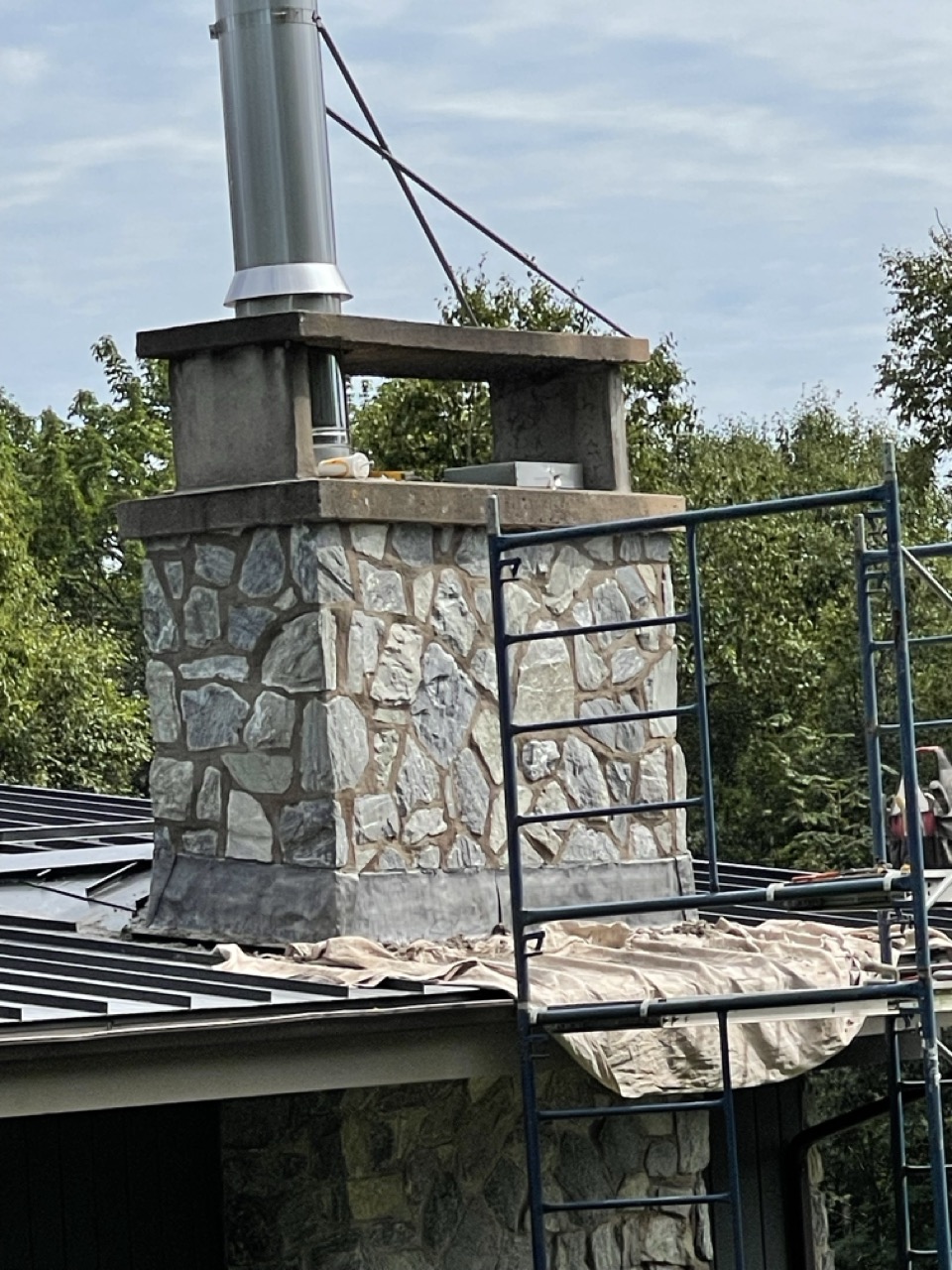
Durable masonry repair often begins with water management. Open joints, cracks, failed crowns, defective flashing, poor drainage and damaged horizontal surfaces should be addressed rather than relying on a coating to hide the symptoms.
Breathable water-repellent treatments can sometimes have a role on appropriate sound masonry, but they do not replace physical repairs and should not be applied indiscriminately to every wall.
The U.S. National Park Service cautions that impermeable coatings can intensify deterioration when moisture enters a wall from another source and then cannot escape. Before coating masonry, correct failed joints, flashing, drainage, cracks and other water-entry paths first.
National Park Service: Cleaning and Water-Repellent Treatments for Historic Masonry →
Exterior masonry can deteriorate for a considerable period before the problem becomes visible indoors. Loose mortar and spalling are already signs that the wall deserves attention.
You do not need to climb onto a roof or dismantle anything. Ground-level observations and photographs can still show whether a condition is changing.
Look for fresh spalling, loose mortar, displaced units, new cracking and debris that appeared during winter. Compare with photographs from the previous year if available.
Watch how masonry dries after rain. Areas that remain damp much longer than surrounding work may point to drainage, saturation or hidden water entry.
Before freezing weather, check open joints, chimney crowns, caps, flashing transitions, sills, wall tops, downspouts and grading for obvious paths that can keep masonry wet.
A repair should consider both the damaged masonry and the conditions around it. Replacing a few bricks may be appropriate, but if a leaking crown, failed flashing, damaged sill or poor drainage remains, the replacement units can be exposed to the same moisture cycle.
Likewise, mortar loss may be caused by ordinary weathering, incompatible previous repairs, persistent saturation or movement. Understanding the pattern of deterioration helps determine whether the job is primarily repointing, selective replacement, rebuilding or water-management work.
Look for new cracks, loose mortar, fresh flakes of brick, displaced stone, damaged crowns and areas that remain wet after surrounding masonry has dried. Comparing photographs from one year to the next can make gradual deterioration easier to recognize.
This guide combines hands-on masonry experience with recognized technical and conservation guidance. DinoMac's field context comes from Prince Edward Island, while the underlying repair principles are useful across Atlantic Canada and other cold, wet climates.
Dean is a third-generation mason with more than 20 years of hands-on experience working with brick, natural stone, chimneys, foundations, repointing and masonry restoration in Prince Edward Island.
Last reviewed: August 28, 2026
Damage develops when masonry contains enough moisture for freezing to create damaging internal stresses. Repeated wetting, freezing and thawing can gradually enlarge weaknesses, loosen mortar and cause masonry faces to break away.
Exposure differs by elevation. Rain, sun, wind, drying time, wall orientation and nearby building details can cause one wall to become wetter or experience different freeze-thaw conditions than another.
No. Freeze-thaw is one possible contributor. Salts, incompatible coatings, hard previous repairs, manufacturing characteristics, impact, movement and other moisture-related conditions can also contribute to surface failure.
Not necessarily. An impermeable coating can trap moisture if water enters from another path. Diagnose and repair the source of water before deciding whether any coating or water-repellent treatment is appropriate.
The urgency depends on depth, location, stability and whether deterioration is progressing. Loose material, structural movement and areas allowing significant water entry deserve quicker attention than a stable cosmetic defect.
Atlantic Canadian masonry is exposed to repeated winter temperature changes, moisture and, in some locations, strong coastal weather. Parks Canada's Province House conservation work provides a local example of water infiltration and freeze-thaw cycling contributing to serious stone and mortar deterioration.
Send photographs showing the full wall or chimney as well as close-ups of the affected area. Wider photos help show how water and surrounding building details may be contributing.