Dry Materials
Brick, stone, sand and the existing wall should be protected from snow, ice and unnecessary saturation.
There is no single outdoor temperature where masonry suddenly becomes impossible. What changes is the amount of preparation, heating and protection required to keep the materials and fresh mortar within a workable curing range.
A mild-looking winter day can still be a poor masonry day if the wall is frozen solid and the temperature drops hard overnight. By the same token, quality work can continue in colder weather when materials are controlled and the masonry is protected inside a properly heated enclosure.
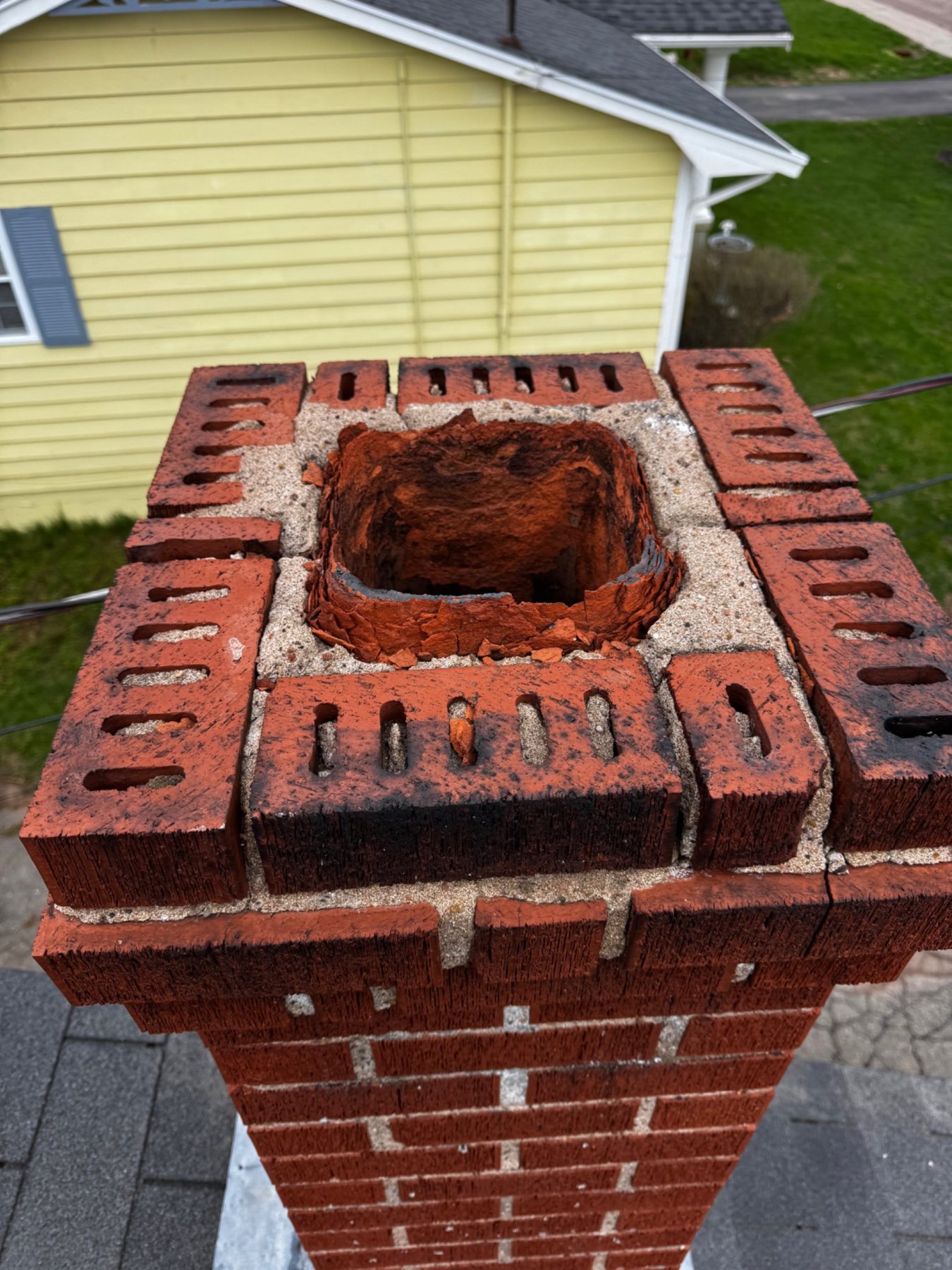
The wall temperature matters too. A sunlit air temperature above freezing does not automatically mean the masonry substrate has thawed or that fresh mortar will remain warm enough after placement.
Brick Industry Association Technical Note 1 defines temperatures below 40°F, or about 4.4°C, as cold-weather masonry conditions and calls for additional construction and protection procedures as temperatures fall.
That does not mean 4°C is a universal “stop work” temperature. It means the contractor has to start controlling the materials, substrate, mortar temperature and protection more deliberately.
Around -6.7°C, or 20°F, BIA guidance becomes much more demanding and calls for enclosure and auxiliary heat. Canadian projects also need to follow applicable code, CSA requirements, project specifications and product instructions.
These ranges summarize BIA cold-weather guidance for fired-clay brick. They are not a replacement for Canadian code or project specifications.
BIA considers this within the normal-temperature range. Weather still matters, but special cold-weather procedures are generally not triggered by temperature alone.
Cold-weather procedures begin. Existing surfaces should be free of snow and ice and heated above freezing where required. Mixing water or sand may need heating so mortar is placed at a suitable temperature.
Mortar has to be kept above freezing until used, and protection of completed work becomes increasingly important as the wall loses heat faster.
BIA guidance adds heated masonry surfaces and wind protection or enclosure under specified conditions. Insulating protection is used after construction.
BIA guidance calls for enclosure and auxiliary heat to keep the work above freezing. This is no longer a matter of simply warming the mortar bucket.
Lower-strength and lime-rich repair mortars can require longer, gentler curing and protection. A heated enclosure may be necessary even when ordinary masonry construction could technically proceed.
Cement-based mortar gains strength through a chemical reaction between cement and water. BIA notes that this hydration process slows as material temperature falls and may stop if adequate heat is not maintained.
Fresh mortar also contains free water. If that water freezes before the mortar has developed enough bond and internal structure, the resulting expansion can reduce the quality and durability of the repair.
This is why a winter mortar joint cannot be judged simply by whether it looked stiff enough before everyone went home.
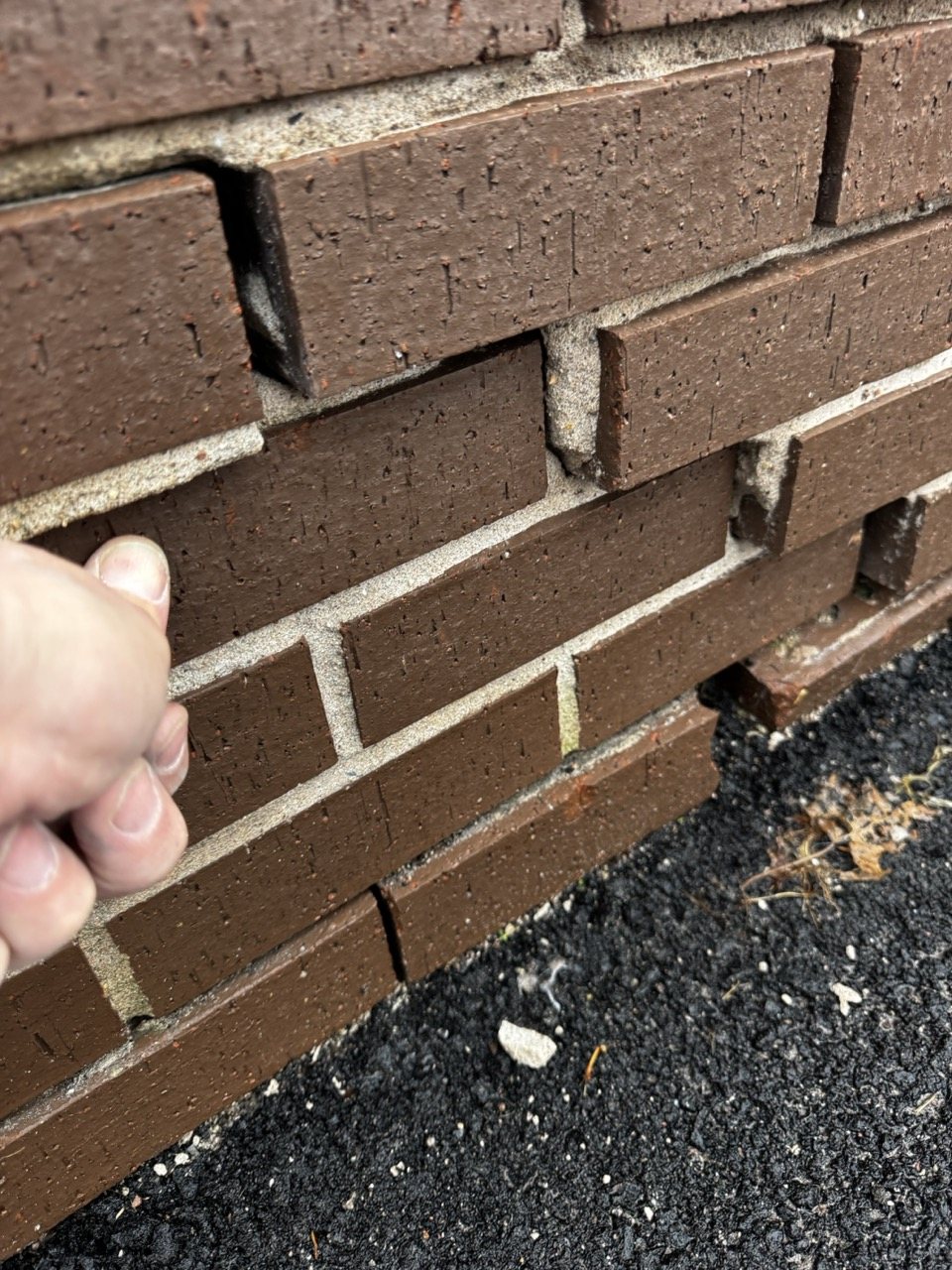
Fresh mortar needs time. The critical weather period continues after placement while the mortar develops bond and sheds excess moisture.
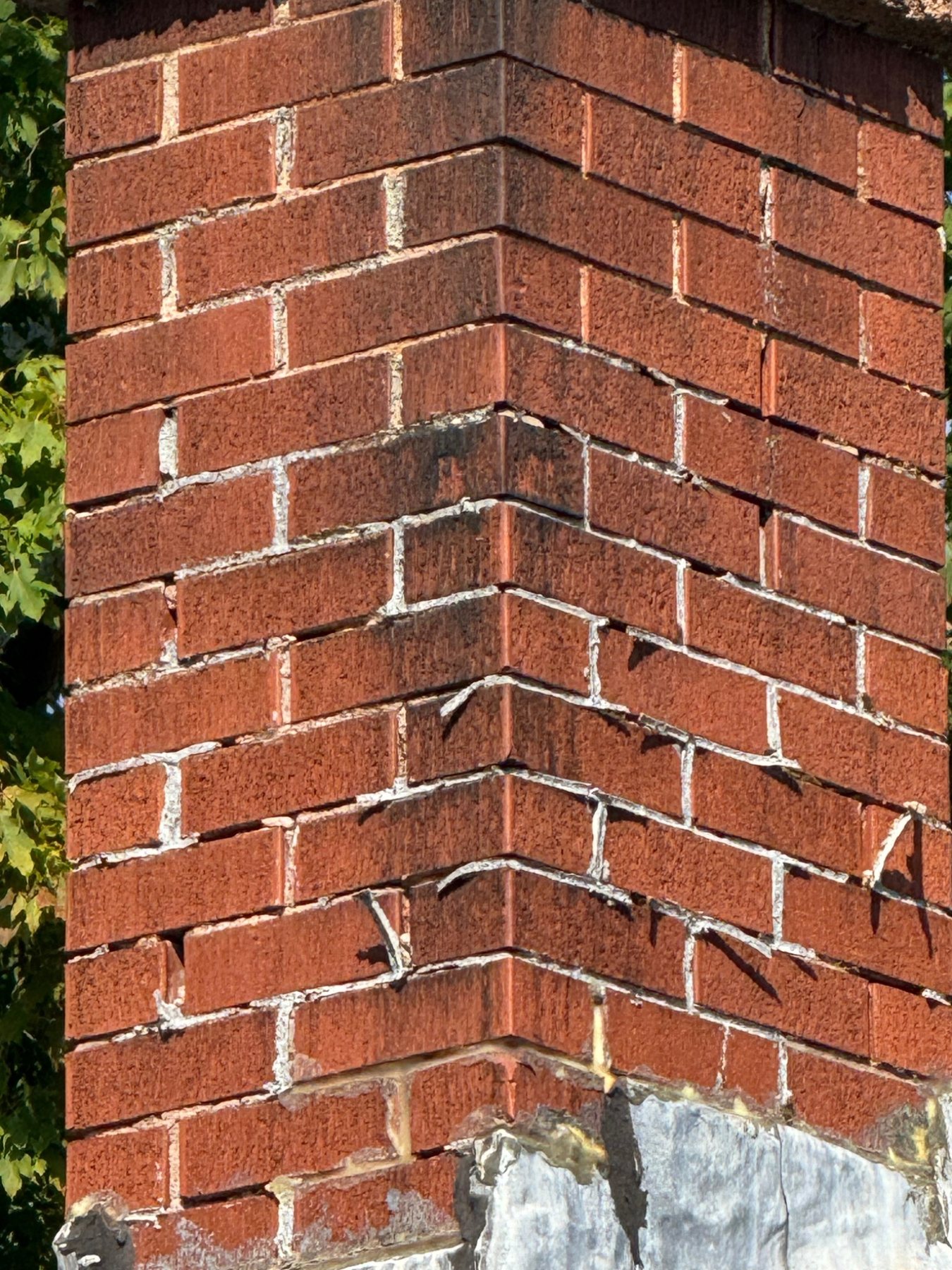
Cold masonry pulls heat out of fresh mortar. Heating the mix alone does not solve the problem if the brick, stone or existing wall is frozen.
BIA guidance says masonry units containing frozen moisture, visible ice or snow should not be laid. Existing foundations and masonry receiving new work should also be cleared of ice and snow and heated above freezing where required.
NRC Canada research on brick suction found that colder brick can absorb water differently, particularly below freezing, which affects how quickly fresh mortar loses water to the unit.
For repair work, the substrate is often the hardest part to control because an old foundation or chimney can hold deep cold long after the afternoon air warms up.
Brick, stone, sand and the existing wall should be protected from snow, ice and unnecessary saturation.
Mixing water or sand may be heated so mortar enters the joint at an appropriate temperature instead of starting near freezing.
Existing masonry may need heating so it does not immediately chill the new mortar.
Cold wind strips heat rapidly from fresh masonry and can make uncovered winter repairs lose temperature faster than the thermometer suggests.
Blankets, scaffold enclosures or full temporary structures can hold heat around the repair during the early curing period.
Protection must remain long enough for the chosen mortar, wall and weather conditions rather than being removed as soon as pointing is finished.
BIA cold-weather guidance uses heated mixing water or sand to bring mortar into the proper working-temperature range. It also places limits on how hot water and aggregates should become.
The reason is balance. Mortar must be warm enough to place and begin curing properly, but extreme material temperatures can alter workability and performance.
Good winter practice also means keeping mortar boards, tools and transport protected so the mix does not lose all of its heat before it reaches the wall.
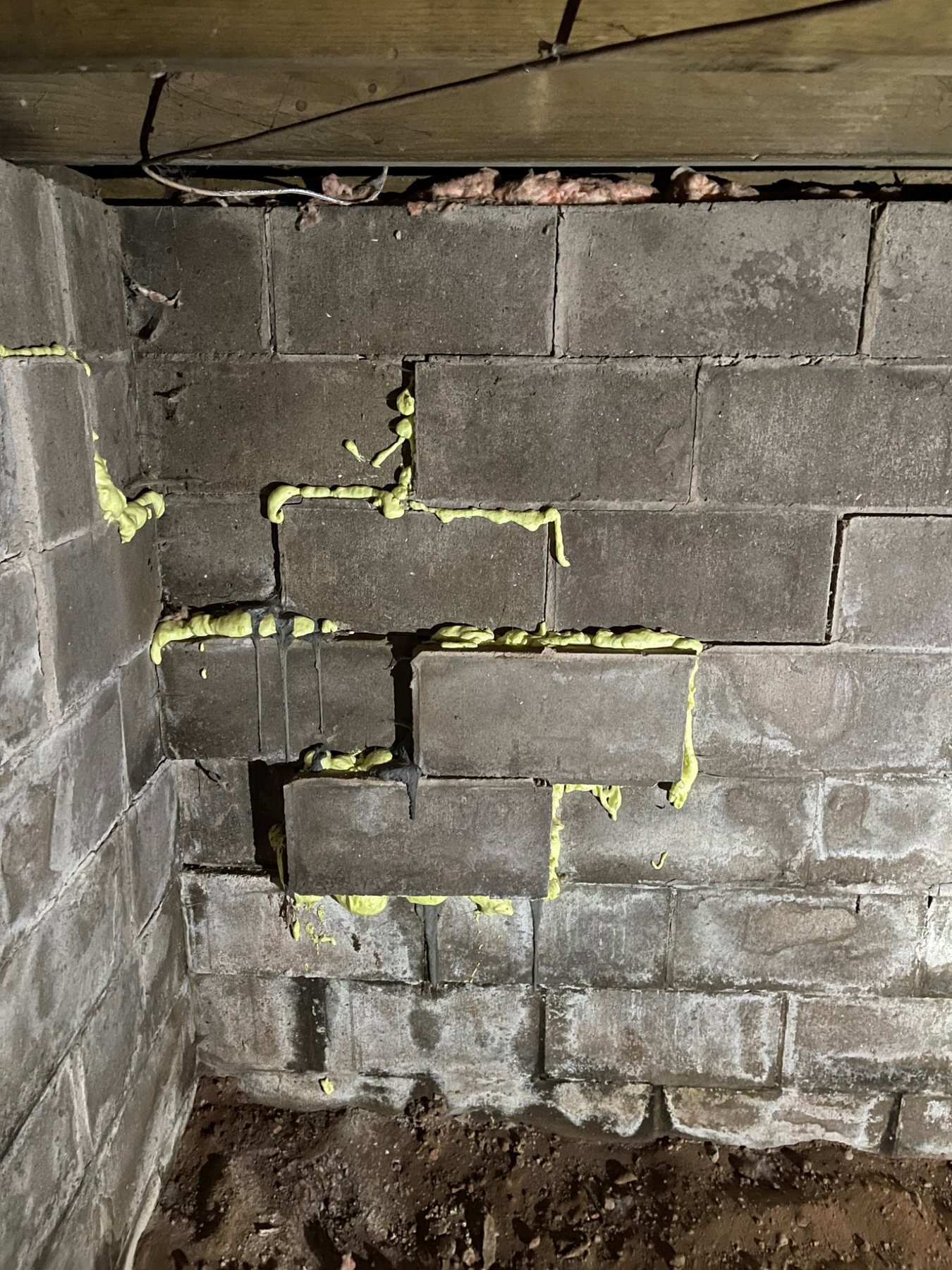
Small repairs cool quickly. A narrow repointed joint or isolated patch has relatively little warm mass and can lose heat rapidly to a cold existing wall.
A large winter construction site may justify a full enclosure with continuous heat. A small chimney patch or a few square metres of repointing may not have that infrastructure, even though the fresh mortar is just as vulnerable.
Repair work also places new mortar directly into old masonry that may be cold, porous, wet or internally frozen.
That means “it is only a little repair” is not a good reason to relax cold-weather protection. In some cases the better choice is to wait for a stable weather window.
National Park Service repointing guidance recommends moderate wall temperatures for historic masonry work rather than relying on marginal freezing conditions.
NRC Canada research on a low-strength repointing mortar found that early curing and subsequent protection before freezing were important enough to study as a separate conservation issue. The researchers cautioned that their results should not be taken as a general green light for winter repointing.
Lime-rich mortars also rely on slower curing processes than many modern cement-rich mortars. If winter work is unavoidable, the enclosure and curing plan should be designed for the actual mortar rather than copied from ordinary new construction.
Read the mortar compatibility guide →
Historic repair is not a race to early hardness. Protecting compatible mortar long enough to cure properly matters more than simply making it set as fast as possible.
BIA Technical Note 1 specifically states that cold-weather admixtures do not replace the normal construction and protection requirements.
It advises against antifreeze compounds because the quantities required to meaningfully depress the freezing point can significantly reduce mortar bond and compressive strength.
BIA also cautions against calcium-chloride accelerators because chloride can contribute to corrosion of metal ties, anchors and reinforcement. Where an approved accelerator is used, the whole cold-weather protection system is still required.
Accelerator ≠ antifreeze.
Fast set ≠ protected cure.
Warm mortar ≠ warm wall.
A mild afternoon ≠ a safe overnight forecast.
Protection has to survive the night. Wind, falling temperature and exposed chimney locations can remove heat much faster than sheltered ground-level work.
Mortar continues to hydrate after it is placed. If a repair is installed at 6°C in the afternoon but the exposed wall drops well below freezing overnight, the work still needs a protection plan.
Contractors therefore look at forecast minimums, wind, exposure, sun, wall mass and how long protection can realistically remain in place.
In Atlantic Canada, rapid weather changes make this especially important during late fall, winter and early spring.
If the repair is not urgent and would require disproportionate enclosure and heating, waiting for a stable weather window may be the better repair decision.
A saturated or internally frozen substrate is a poor starting condition even if the surface can be warmed briefly.
If there is no practical way to keep the new work within the required curing range after placement, the job is not ready for winter execution.
Where extended controlled curing is needed, a marginal weather window may not provide enough protection for a durable conservation repair.
Precipitation can saturate materials, contaminate joints and complicate protection even when the temperature itself is manageable.
Heated enclosures must be designed with fire, ventilation and worker safety in mind. The repair is not worth creating a hazardous work environment.
Loose chimney masonry, falling brick, a failing support or a major opening that is allowing active water into the building may not be suitable to leave until spring.
In those cases the choice is not between “perfect weather” and “bad weather.” It is between leaving an active hazard and creating controlled working conditions that allow the repair to proceed safely.
The colder the conditions, the more the job becomes a temporary-enclosure and temperature-management project as well as a masonry project.
NRC Canada has long noted that climate has a direct influence on masonry performance and that the Atlantic Provinces present particularly demanding combinations of wind, rain, freezing and thawing.
Prince Edward Island, Nova Scotia and New Brunswick can move quickly from wet above-freezing conditions to hard overnight freezes. Masonry may therefore enter cold weather already saturated, which is more challenging than working with dry materials in steady cold.
Good winter repair planning here includes precipitation, wind and substrate moisture in addition to the thermometer.
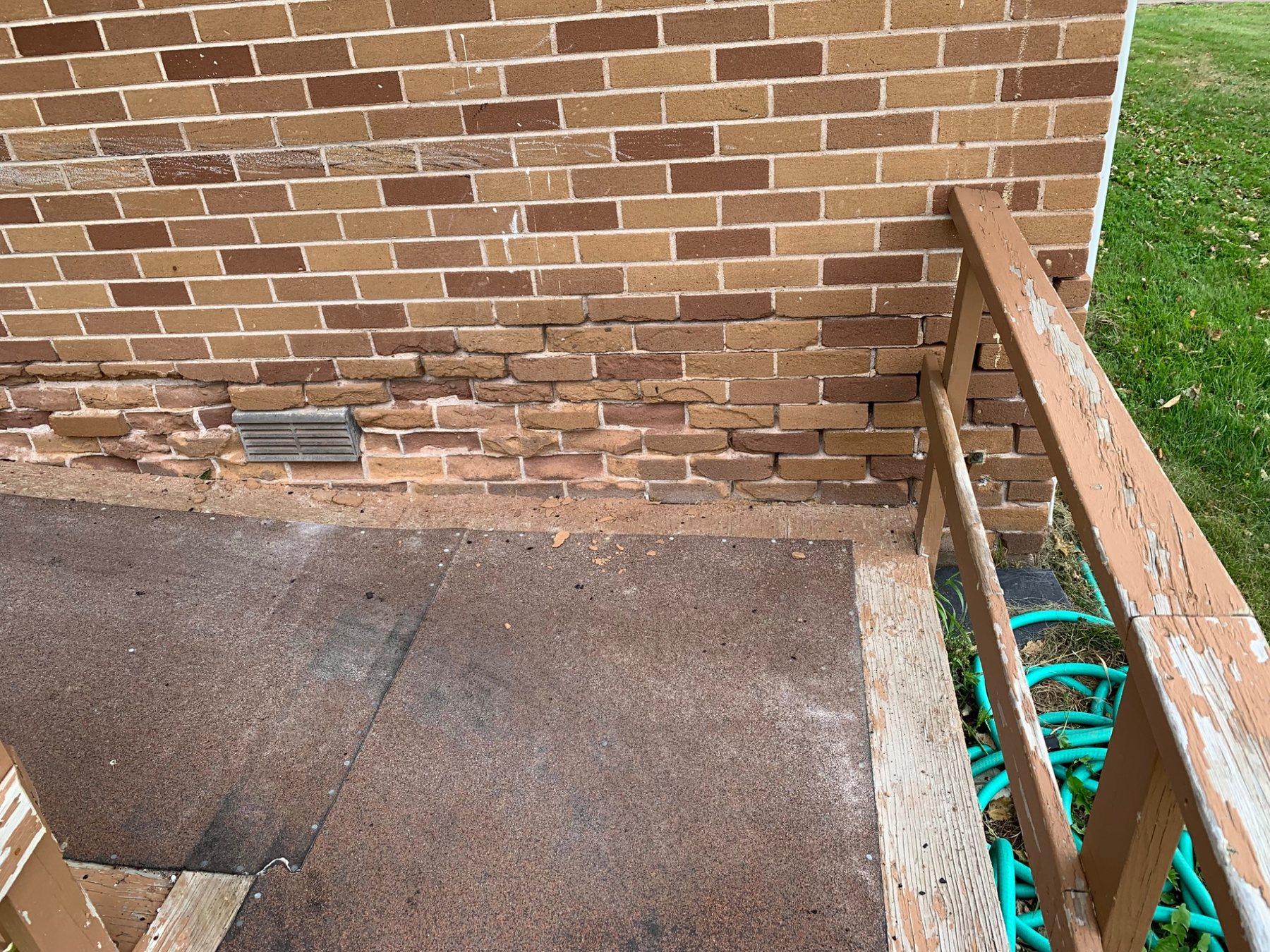
Wet plus cold is the important combination. A dry cold wall and a saturated wall entering the same freeze are not facing the same durability risk.
“We put antifreeze in it.”
“The mortar was warm when we mixed it.”
“It should be fine because the sun is out.”
Those statements do not describe a complete cold-weather masonry plan.
Brick Industry Association Technical Note 1 provides temperature-based construction and protection guidance for fired-clay brick masonry, beginning cold-weather procedures below 4.4°C and escalating to heated enclosure below about -6.7°C.
NRC Canada's archived Cold Weather Masonry Construction digest explains the material behaviour behind winter masonry and remains useful historical background, while noting that current regulatory guidance should govern actual work.
NRC research on low-strength repointing mortar specifically examined protection before freeze exposure and cautioned against treating the results as permission for routine winter historic repointing.
National Park Service Preservation Brief 2 recommends scheduling historic repointing in moderate wall temperatures to avoid both freezing and excessive drying.
Brick Industry Association Technical Note 1: Hot & Cold Weather Construction →
NRC Canada: Cold Weather Masonry Construction →
NRC Canada: Cold Weather Protection for Low-Strength Repointing Mortar →
Dean is a third-generation mason with more than 20 years of hands-on experience working with brick, natural stone, chimneys, foundations, repointing and masonry restoration in Prince Edward Island.
The DinoMac Masonry Knowledge Centre uses PEI field experience to explain masonry conditions that are also common across Atlantic Canada and other cold, wet climates.
Last reviewed: August 26, 2026
There is no single stop-work temperature. Below about 4.4°C cold-weather procedures begin, and colder conditions require progressively more control and protection.
Yes. Early freezing can interfere with hydration, bond and durability, which is why fresh masonry must remain protected.
Yes, when proper cold-weather procedures, material temperatures and enclosure or protection are provided. Normal warm-weather practice is not enough.
Ordinary antifreeze should not be used. Approved admixtures do not replace the need for proper winter construction and curing procedures.
It can require substantial enclosure and extended curing protection. When the repair is not urgent, waiting for more stable conditions is often preferable.
Mortar continues curing after placement, so the work may still be vulnerable when the air temperature falls hours later.
If you have an urgent chimney, brick, stone or foundation repair during cold weather, send photos of the condition and the PEI property location. DinoMac can assess whether the work should wait for a better weather window or whether enclosure, heat and cold-weather protection can make the repair practical.