1. What exactly are you repairing?
Ask whether the price covers a patch, repointing, replacement units, rebuilding, flashing, crown work, structural stabilization or a combination.
Masonry estimates can look similar at the bottom line while describing very different work. One contractor may be pricing a localized patch, another may be removing failed material to sound masonry, and a third may be including access, matching work, flashing or rebuilding that the others have left out.
Homeowners do not need to become masonry experts before hiring someone. They do need enough information to compare scope, materials, assumptions and how unexpected conditions will be handled.

Scope before price: A lower number is not necessarily a better deal if the estimate leaves out demolition depth, matching, access, disposal, flashing, damaged units or the real cause of deterioration.
You do not need every contractor to use the same words. You need each one to make the scope clear enough that you understand what you are buying.
Ask whether the price covers a patch, repointing, replacement units, rebuilding, flashing, crown work, structural stabilization or a combination.
“Repointing” can mean very different things. Ask whether failed mortar is being removed to a sound depth before new mortar is installed.
For older masonry, ask how the mortar will be selected for compatibility with the existing brick or stone rather than simply choosing the hardest mix.
Ask about size, colour range, texture, joint width and what happens if the exact original material is no longer available.
Confirm whether scaffolding, lifts, roof access, fall protection or other access requirements are part of the quoted price.
A short exclusion list can be as valuable as the scope itself. It exposes assumptions before work begins.
Ask how extra work will be documented, approved and priced before the scope changes.
Clarify whether the estimator is also the mason, whether employees or subcontractors are involved and who is responsible for site supervision.
Ask about dust control, debris removal, protection of roofs, windows, landscaping and adjacent finished surfaces.
A useful masonry estimate should tell you what is being removed, what is being retained, what new material is being installed and which adjacent details are included.
On a chimney, for example, the scope might involve repointing only, selective brick replacement, rebuilding above the roof, a new crown, cap work, flashing repairs or complete reconstruction. Those are not interchangeable jobs.
The clearer the scope is before work starts, the easier it is to understand why prices differ and whether later work is genuinely additional.
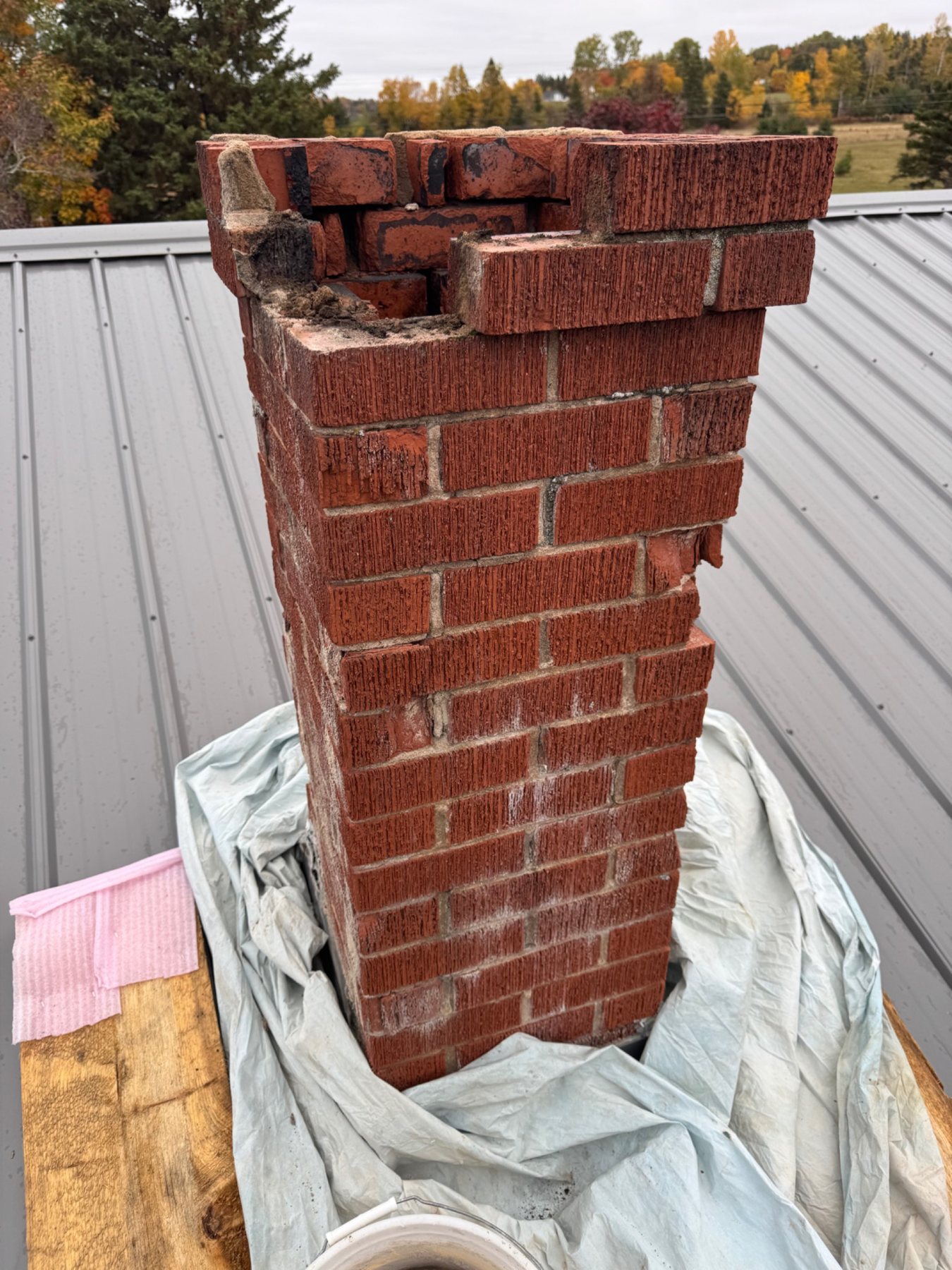
One chimney, several possible scopes: Repointing, replacing failed units and rebuilding the upper section can all be reasonable in different conditions. The estimate should say which one is being priced.
Historic brick and stone may be softer or more moisture-sensitive than modern masonry units. A very strong mortar is not automatically an improvement.
The contractor should be able to explain whether the existing masonry, age of the building, joint profile and exposure are being considered when selecting the repair mortar.
This does not mean every old wall needs one specific mortar designation. It means the choice should be intentional and compatible rather than automatic.
Read the mortar compatibility guide →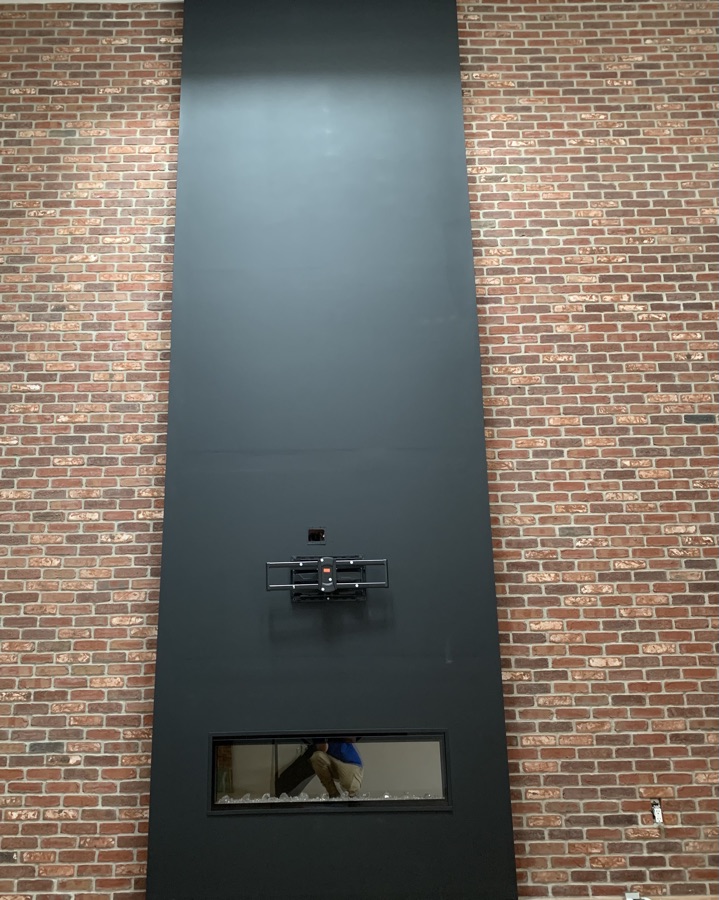
Ask about the joint too. Mortar colour, aggregate, joint width and tooling all affect how the repair looks and how water sheds from the wall.
Depending on the project and jurisdiction, homeowners may want confirmation of commercial liability insurance, workers' compensation status, business registration, required permits and any trade-specific qualifications relevant to the work.
Masonry itself is one part of a project. Chimney appliances, structural changes, electrical work, gas, roofing and other systems may involve separate trades, permits or inspection requirements.
The important point is not collecting paperwork for its own sake. It is understanding who is responsible for each part of the job and whether the contractor's scope actually includes it.
The cheapest quote can be the best value. It can also be the smallest scope. You need to know which.
Are both contractors pricing the same wall, chimney height, number of units or square footage?
Are deteriorated joints being cut to sound mortar or only surface-filled?
Are damaged brick or stone being replaced, or simply patched around?
Does one price include scaffolding, lift rental or roof protection while another leaves it out?
Is the estimate correcting a crown, sill, flashing or drainage problem that may have caused the damage?
Are debris, old masonry, protection and final site cleanup included?
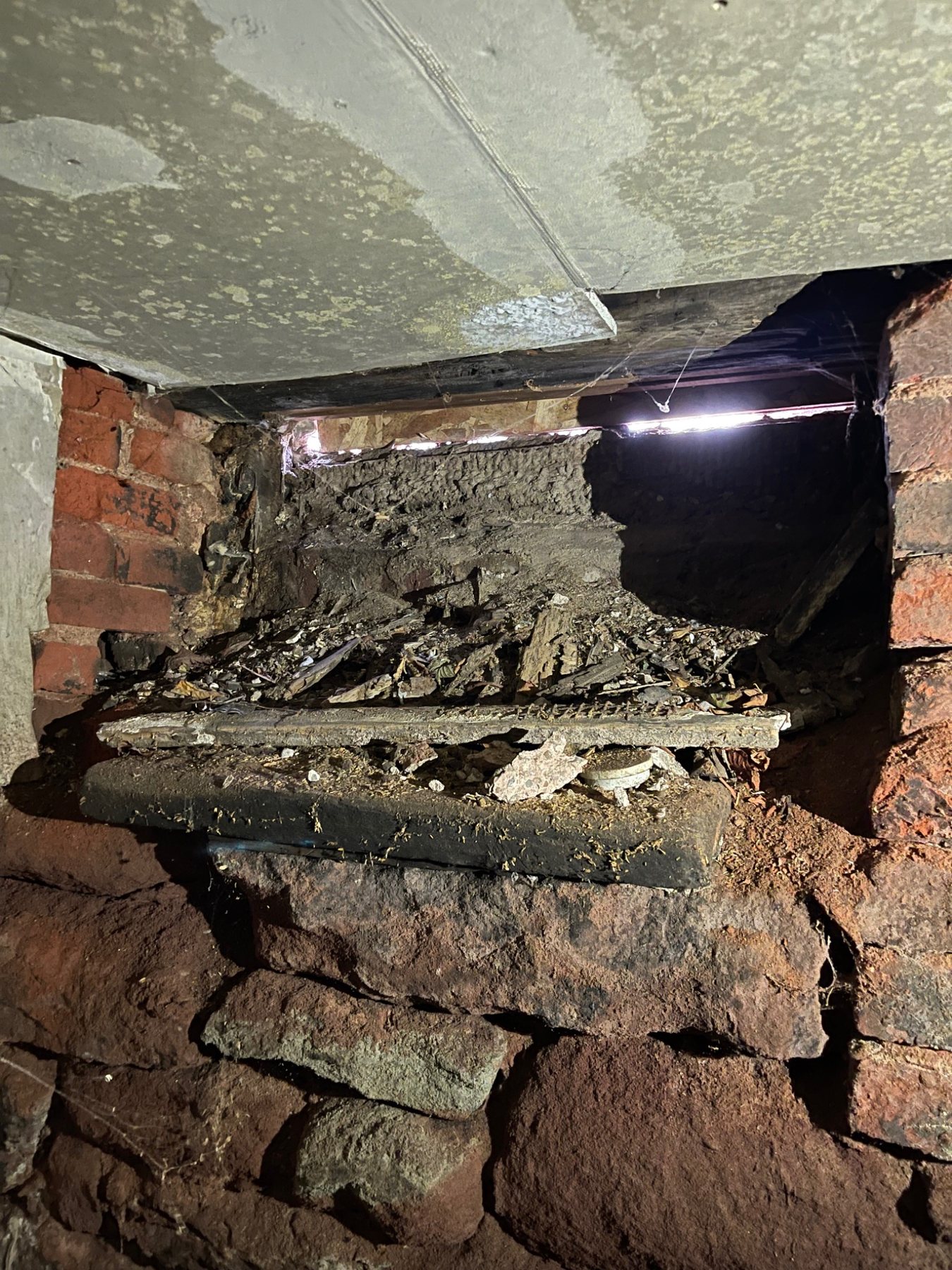
Concealed conditions are real. The issue is not whether surprises can happen. It is whether the estimate explains how they will be handled when they do.
Thick walls, chimneys and old foundations can hide loose inner wythes, voids, deteriorated backing, corroded steel, failed flashing or previous repairs that cannot be seen during the initial estimate.
A good process is to document the condition, explain why it changes the scope, provide a price or pricing method where practical and get approval before proceeding with significant additional work.
Emergency stabilization can be different, but routine concealed-condition work should still be communicated clearly.
Deposits and progress payments are normal on many construction projects, especially where materials, scaffolding or custom fabrication must be arranged.
The payment schedule should be understandable and tied to the agreement. Ask what deposit is required, when progress payments are due, when the balance is payable and how approved extras are invoiced.
Avoid relying on verbal assumptions where the project is large enough that a disagreement would be costly.
A workmanship warranty and a manufacturer's product warranty are different. Some repairs are also affected by movement, leaks or existing building conditions outside the mason's scope.
Ask what work is covered, for how long, what exclusions apply and what the homeowner should do if a concern develops.
A realistic written warranty is more useful than a broad verbal promise that does not define what happens later.
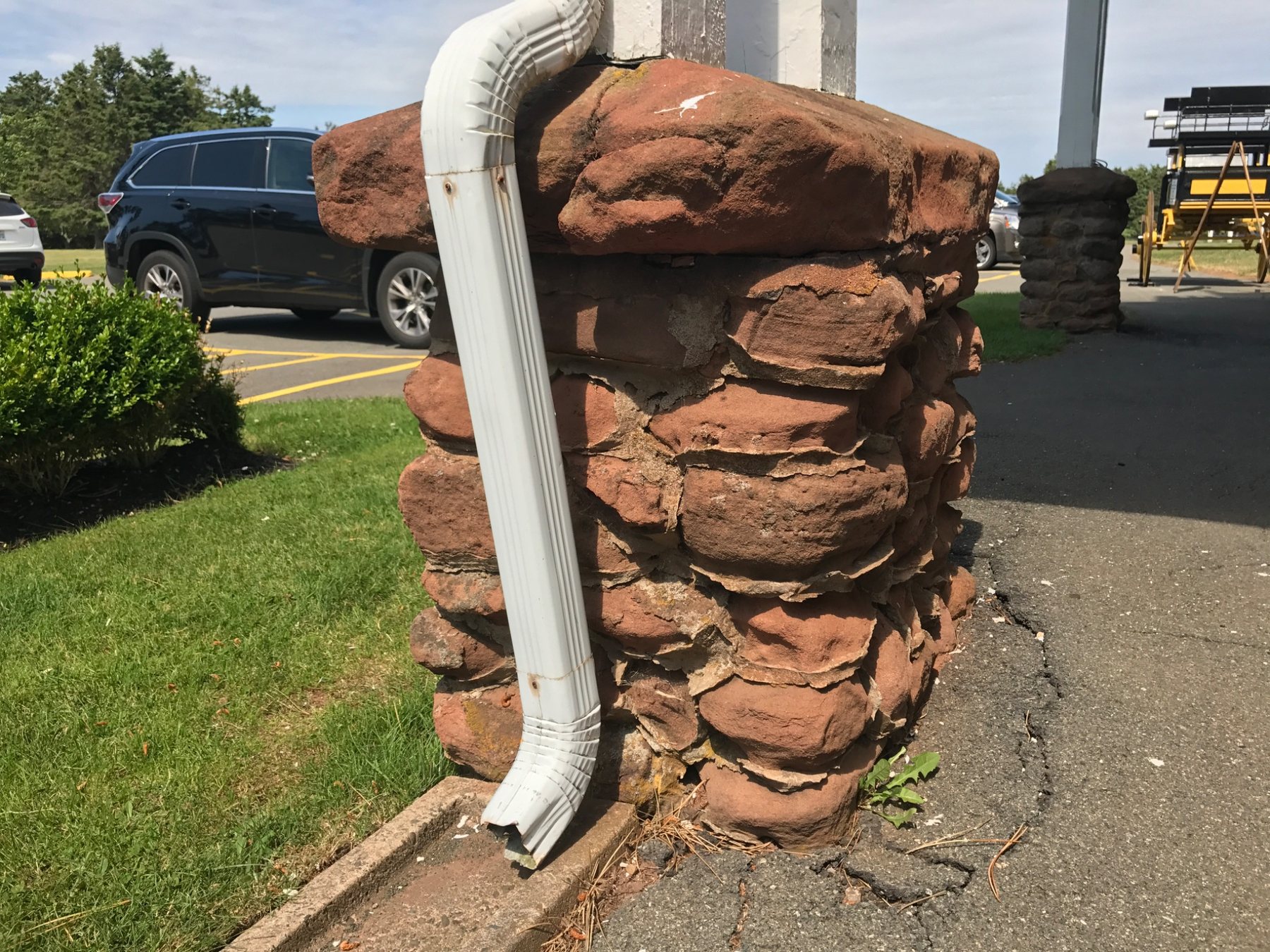
Repair the cause where practical. If water is repeatedly delivered to the same masonry, a quote that addresses only the damaged mortar may be incomplete.
Prince Edward Island, Nova Scotia and New Brunswick contain many older brick, stone and chimney systems exposed to freeze-thaw cycles, wind-driven rain, wet shoulder seasons and coastal conditions.
That makes questions about compatible mortar, water management, flashing, crowns, drainage and previous repairs more useful than choosing a contractor by price alone.
The hiring principles in this guide apply anywhere. DinoMac's field context is PEI, while the same types of homeowner questions are useful throughout Atlantic Canada and other regions with older masonry buildings.
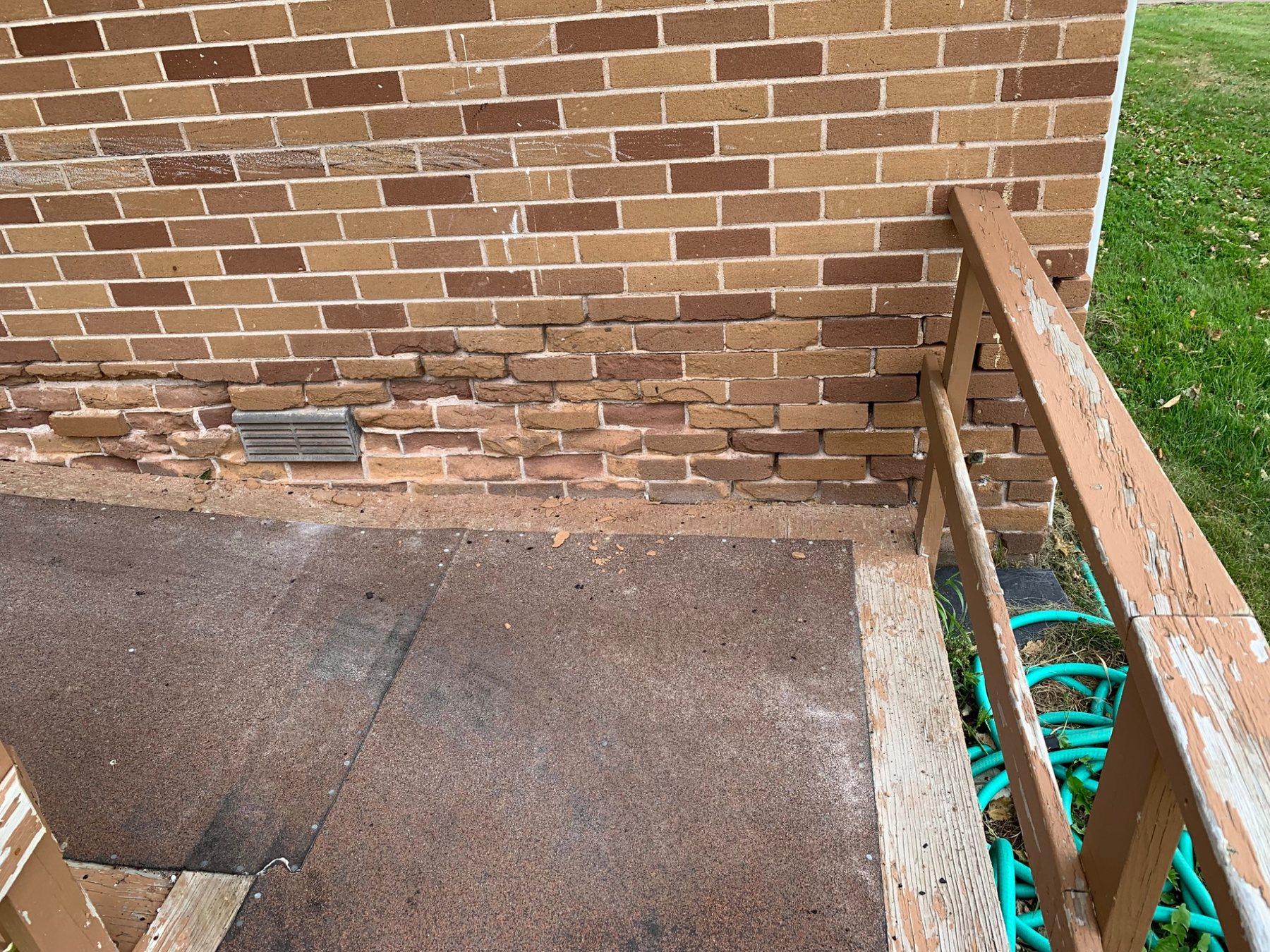
Regional lesson: A repair that survives one dry summer still has to perform through repeated wetting and freezing. Material compatibility and water management matter over the long term.
The goal of this guide is not to make homeowners suspicious of contractors. It is to make estimates easier to compare by separating scope, materials, access and assumptions from the final price.
Clear expectations generally make construction projects easier for both the homeowner and the contractor.
Dean is a third-generation mason with more than 20 years of hands-on experience working with brick, natural stone, chimneys, foundations, repointing and masonry restoration in Prince Edward Island.
Last reviewed: August 26, 2026
Scope, materials or mortar approach, access, disposal, major exclusions, price terms and how concealed conditions will be handled.
Not automatically. First confirm that the contractors are pricing the same repair scope and access.
Ask how the contractor is considering the age, hardness, porosity and condition of the existing masonry.
Ask how additional work will be documented, approved and priced before it proceeds whenever practical.
Include a wide view, close-ups, approximate dimensions if known and the PEI property location. DinoMac can review the visible scope and determine whether an in-person site assessment is needed.