Serving Prince Edward Island902-940-6963 • contact@dinomac.ca
Mortar Selection Guide

Type N vs Type S vs Lime Mortar: What Homeowners Need to Know

Mortar is not simply glue between bricks or stones. It is part of how a masonry wall carries load, accommodates small movement, manages moisture and weathers over time. Choosing mortar by asking only “Which one is strongest?” can lead to the wrong repair.

Type N, Type S and lime-rich mortars each have legitimate uses. The correct choice depends on the masonry units, wall construction, exposure, structural requirements, age of the building and what the repair is expected to accomplish.

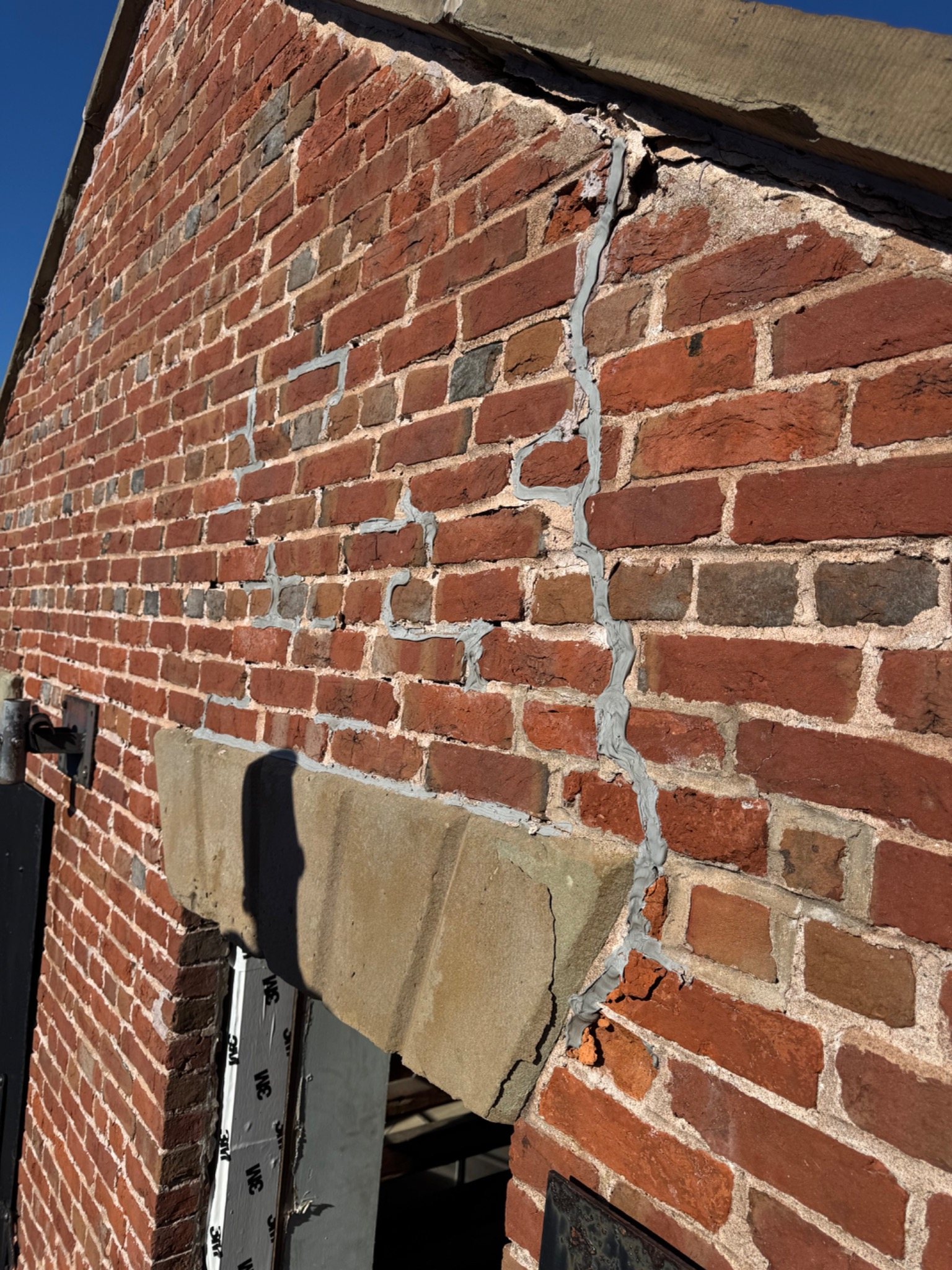
Historic brick wall with visible previous mortar repairs and patching

Different repair generations can behave differently. A mortar that looks acceptable on installation day may still be too hard, too dense or otherwise incompatible with the masonry around it.

For repair work, the best mortar is usually the most compatible mortar that satisfies the wall's actual requirements, not the strongest mix available.Older Masonry
At a Glance

How do Type N, Type S and lime-rich mortars differ?

These are broad categories. Actual performance depends on proportions, materials, curing, workmanship and the masonry units they are paired with.

Type N

Type N is commonly used as a general-purpose mortar for many above-grade masonry applications. It provides moderate compressive strength while retaining more workability and flexibility than stronger cement-rich mixes.

It is often suitable for new brick or block work and many repairs, but its name alone does not make it compatible with every older brick, stone or historic mortar.

Type S

Type S is a stronger mortar commonly used where greater structural demand, lateral loading, soil pressure or more severe exposure requires additional strength.

It has legitimate uses in foundations, retaining conditions, some below-grade work and structural masonry. That higher strength is not an advantage when the surrounding historic masonry is substantially softer.

Lime-Rich Mortar

Historic mortars often contain a high proportion of lime and may contain little or no Portland cement. These mortars are generally softer and more vapour-permeable than many modern cement-rich mortars.

“Lime mortar” is not one universal recipe. Historic formulations vary, and modern lime-based repair mortars still need to be selected or designed for the particular masonry and exposure.

The Strength Question

Why is stronger mortar not always better?

In a masonry wall, the mortar joint is often expected to be the more forgiving part of the assembly. If the mortar is substantially harder or less accommodating than the brick or stone around it, stress and moisture can be redirected into the masonry units themselves.

The National Park Service cautions against repointing historic masonry with mortar that has greater compressive strength than the historic material requires. Incompatible hard mortar can contribute to damage at brick edges or soft stone because the masonry can become the weaker component.

That does not mean “softest is always best” either. The joint still has to perform in its actual location. A below-grade structural wall, retaining condition or heavily loaded masonry assembly may require very different properties from an 1800s sandstone wall.

Useful Rule

Match the mortar to the wall, not the wall to the mortar.

The repair mortar should work with the masonry units, loading, moisture exposure, movement and original construction. Strength is one property among several.

Properties That Matter

Mortar selection is about more than compressive strength.

Compressive strength

The mortar needs enough strength for the application, but unnecessary strength can be undesirable when repairing soft brick, sandstone or other older masonry.

Bond

Mortar has to bond adequately to the masonry units. Preparation, pre-wetting, joint depth, placement and curing can matter as much as the nominal mortar type.

Permeability and drying

Masonry walls get wet. Mortar influences how readily moisture can move and evaporate. A very dense repair can change where the wall dries and where moisture accumulates.

Movement accommodation

Mortar needs to tolerate normal thermal, moisture and building movement without forcing all stress into the brick or stone.

Durability

The mortar still has to survive the actual exposure. Wind-driven rain, freeze-thaw, foundation moisture and chimney exposure can impose very different demands.

Appearance

Colour, aggregate, joint profile and texture are especially important in restoration work. A technically compatible mortar can still look wrong if the visual match is ignored.

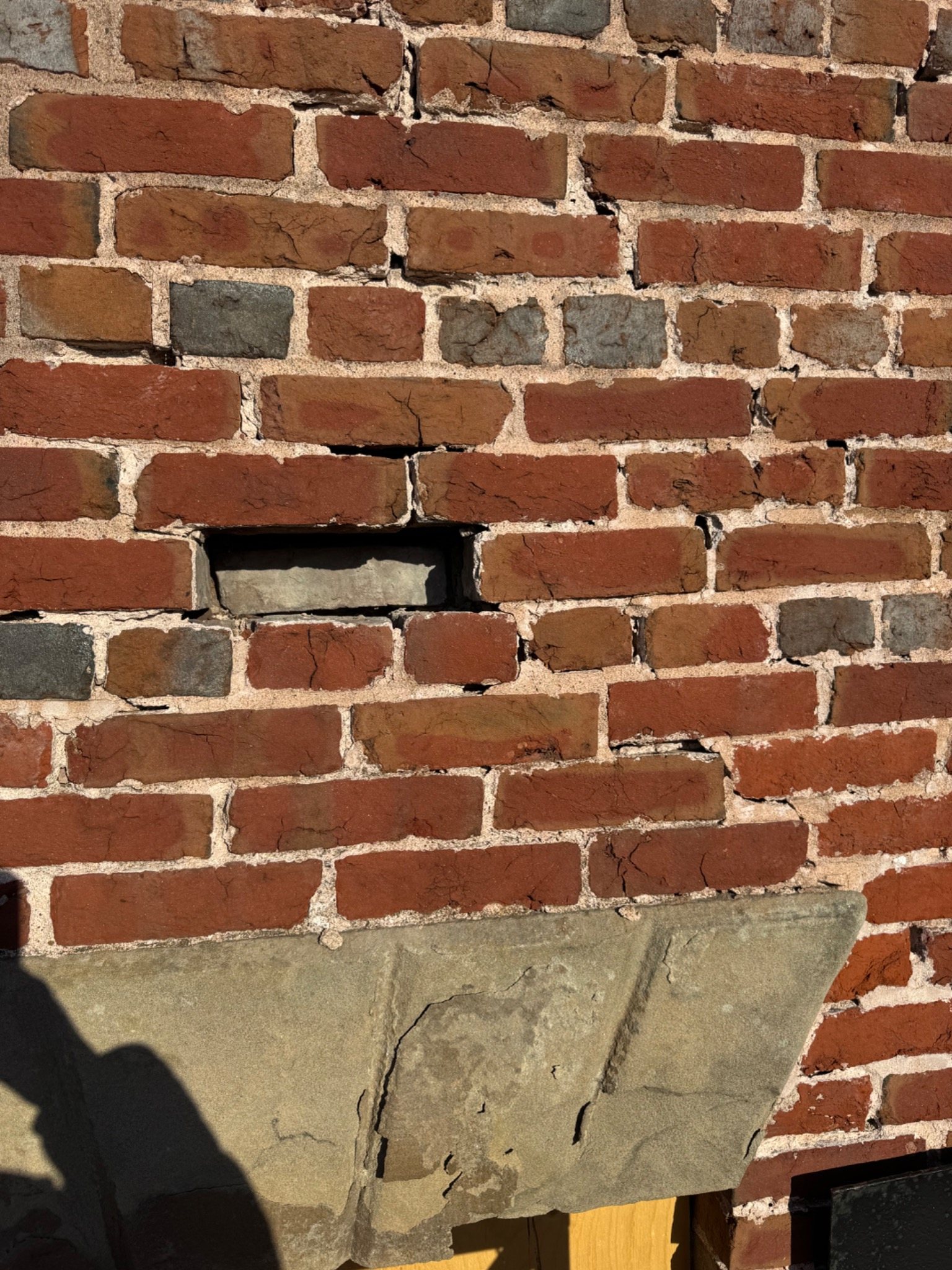
Historic brick wall with deep open mortar joints and deteriorated masonry

Older masonry changes the question. Deeply weathered joints, soft units and previous repairs should be assessed before choosing a replacement mortar simply by modern type designation.

Historic Brick & Stone

Why do older buildings often need a different approach?

Older brick and stone buildings were frequently built with lime-rich mortars that are softer and more vapour-permeable than many modern cement-rich mortars. The brick or sandstone may also be softer than modern masonry units.

When a dense, hard mortar is inserted into that system, the wall does not automatically become stronger. The joint may resist erosion while adjacent brick faces or stone edges begin to fail instead.

The National Park Service recommends matching historic mortar in colour, texture and tooling while also ensuring the replacement mortar is compatible in strength and permeability with the historic masonry.

Read the Historic Mortar Compatibility guide →

Real Field Example

Dalvay by the Sea required mortar mock-ups and local PEI sand.

At Dalvay by the Sea, DinoMac was working with soft historic sandstone and existing lime mortar with a distinctive warm pink colour. The project required multiple mortar mock-ups before approval, with colour matching forming an important part of the process.

PEI sand was incorporated to help reproduce the appearance of the existing mortar. The hard previous mortar was carefully hand chiselled back and the sandstone was repointed with a softer, more compatible repair mortar.

That project illustrates why heritage mortar selection cannot be reduced to asking for Type N or Type S. The correct repair depended on the existing stone, the original mortar, exposure, workability, appearance and how the wall needed to manage moisture.

Read the Dalvay-by-the-Sea case study →

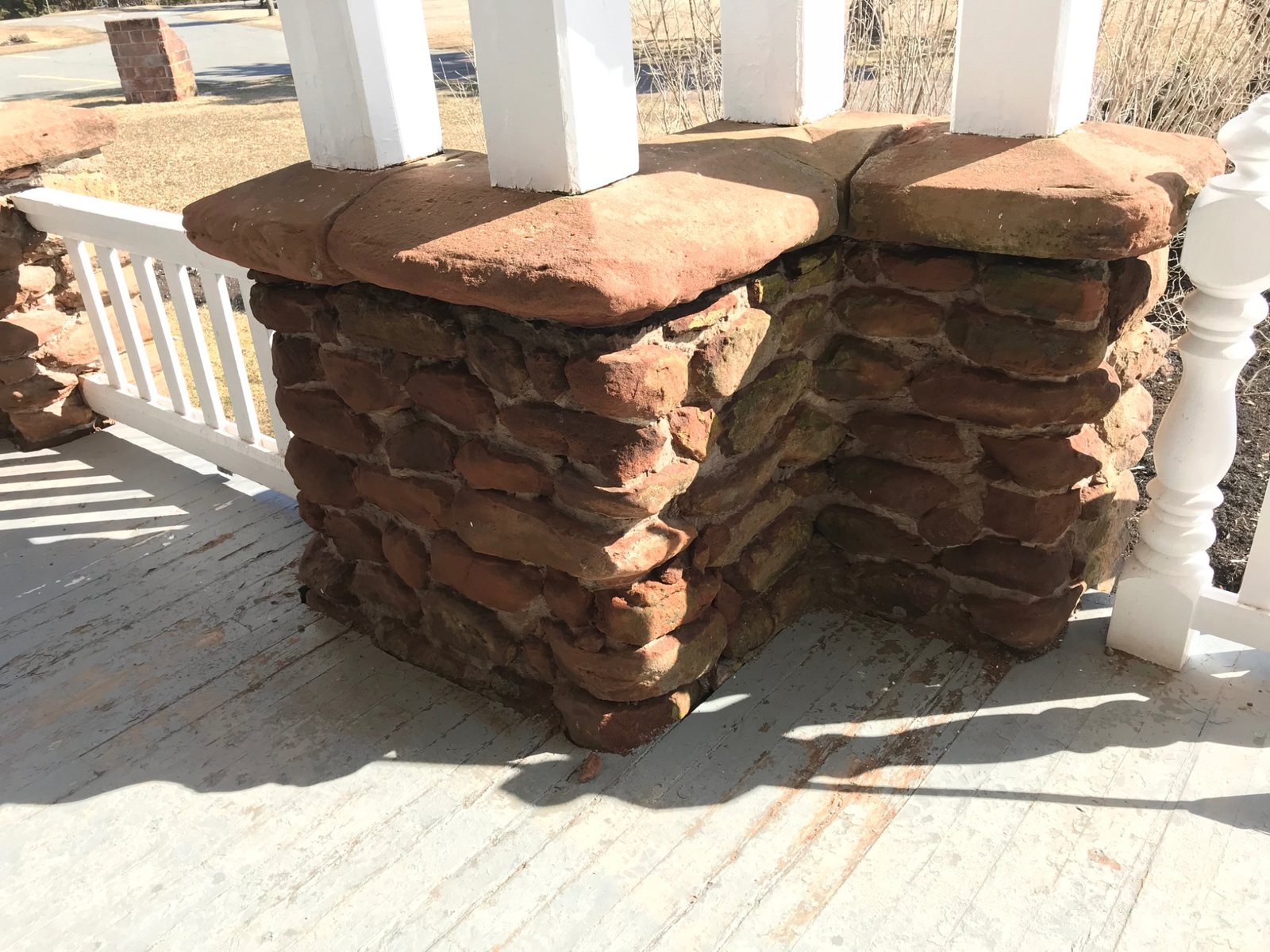
Restored sandstone pillar and mortar joints at Dalvay by the Sea

Mortar matching is both technical and visual. Aggregate, binder, joint finish and curing all affect the final relationship between new mortar and historic stone.

Common Misunderstandings

What homeowners are often told about mortar that needs more context.

“Type S is better because it is stronger.”

It is stronger, but that does not make it better for every wall. High strength can be inappropriate beside weak historic brick or soft stone.

“Type N is safe for all old masonry.”

Type N is softer than Type S, but some historic masonry still requires a different lime-rich or specifically matched mortar. The existing wall should determine the repair.

“Lime mortar is weak.”

Historic lime mortars were intentionally different from modern structural mortars. Their ability to accommodate movement and support drying can be part of why they worked well with soft masonry for generations.

“Colour tells you the mortar type.”

It does not. Sand, pigments, curing, weathering and dirt all affect colour. A pink, grey, tan or white joint does not reliably reveal its binder or strength.

“Repointing just means filling the face.”

Proper repointing requires removal to adequate depth, cleaning, appropriate pre-dampening, layered placement, tooling and curing. Mortar selection is only one part of the repair.

“The old mortar is failing, so it must have been too weak.”

Mortar is expected to weather. A joint that sacrifices itself before the brick or stone can be preferable to a joint that remains intact while the masonry units fail.

New Construction vs Repair

The same mortar type can make sense in one situation and be wrong in another.

New masonry can be designed as a complete system around modern masonry units, reinforcement, loading and exposure. Repair work starts with an existing wall whose materials and behaviour are already established.

That is why a mortar that is appropriate for a new foundation block wall may be inappropriate for repointing an old brick chimney or an exposed sandstone building. The application has changed, even if both jobs involve mortar.

In repair work, the objective is usually to preserve as much sound existing masonry as practical while restoring the joint's ability to keep the wall bonded, shed bulk water appropriately and dry.

Before Choosing a Mix

Ask these questions first.

What are the brick or stone units?
How old is the wall?
Is it above grade, below grade or retaining soil?
Is the wall load-bearing, veneer or multi-wythe masonry?
How wet and exposed is the location?
What does the original mortar appear to be?
Atlantic Canada Context

Exposure can be just as important as nominal mortar type.

Wind-driven rain, freeze-thaw cycling, coastal exposure and long periods of damp weather place significant moisture demands on Atlantic Canadian masonry.

Chimneys

Above-roof masonry sees heavy wetting and freeze-thaw exposure. Mortar selection, crown details, flashing and water shedding all work together.

Foundations

Below-grade masonry can face soil moisture and structural loads that differ substantially from above-grade walls and heritage repointing.

Historic walls

Soft brick, sandstone and lime-rich mortar need enough drying capacity that the repair does not simply trap moisture in the original masonry.

Frequently Asked Questions

Common homeowner questions about Type N, Type S and lime mortar

Is Type S better because it is stronger?

No. Higher compressive strength does not automatically make a mortar better for an existing wall. The mortar should be compatible with the masonry and the actual demands of the location.

What is Type N commonly used for?

Type N is a general-purpose mortar used for many above-grade masonry applications. Its suitability still depends on the units, exposure and whether the work is new construction or repair.

What is Type S commonly used for?

Type S is used where greater strength or resistance to lateral and soil loads is required, including some foundation, retaining and structural conditions.

What is lime mortar?

Lime mortar describes mortars in which lime is the primary binder or a major component. Historic lime-rich mortars are generally softer and more permeable than many modern cement-rich mixes.

Can hard mortar damage old masonry?

Yes, if the mortar is substantially harder or less compatible than the surrounding brick or stone. Stress and moisture can be transferred into the masonry units instead of being accommodated by the joint.

Can I identify mortar from colour?

No. Colour is affected by sand, pigment, weathering, curing and dirt. It is useful for visual matching, but it does not reliably identify mortar composition or strength.

Technical References

Further reading on mortar types and historic repointing

ASTM C270

ASTM C270 is the standard specification used for mortar for unit masonry and provides proportion and property specifications for mortar types including Type N and Type S.

ASTM C270 overview →

National Park Service

Preservation Brief 2, Repointing Mortar Joints in Historic Masonry Buildings, explains why replacement mortar should be compatible with historic masonry in strength, permeability, colour, texture and tooling.

NPS Preservation Brief 2 →
Planning Repointing or Masonry Repair?

Start with the existing brick, stone and mortar.

Send wide photographs of the wall, close-ups of the existing joints and any areas where the brick or stone is deteriorating. On older work, examples of original mortar and previous repairs can be especially useful.

Contact DinoMac Masonry
About This Guide

Prepared from masonry field experience and technical references.

Prepared by Dean MacArthur, DinoMac Masonry Ltd., a third-generation mason with more than 20 years of hands-on masonry experience.

Mortar selection is project-specific. This guide explains the broad differences homeowners are likely to encounter but does not replace evaluation of the actual wall, masonry units and exposure.

Reviewed August 26, 2026.

Working on older masonry?

The Historic Mortar Compatibility guide goes deeper into why old brick and stone often need different repair mortars from modern masonry.

Historic Mortar Compatibility