Is dry-stack weaker?
Not automatically. A well-built dry wall uses stone mass, interlock and wall geometry instead of mortar to remain stable.
Both methods can produce durable natural-stone walls, but they work differently. Dry-laid walls rely on stone selection, bearing, interlock, mass and drainage. Mortared walls add bonded joints, but still depend on a stable base, compatible materials and good water management.
The important homeowner question is not which method sounds more traditional or more permanent. It is which wall system suits the site, the stone, the load and the intended appearance.
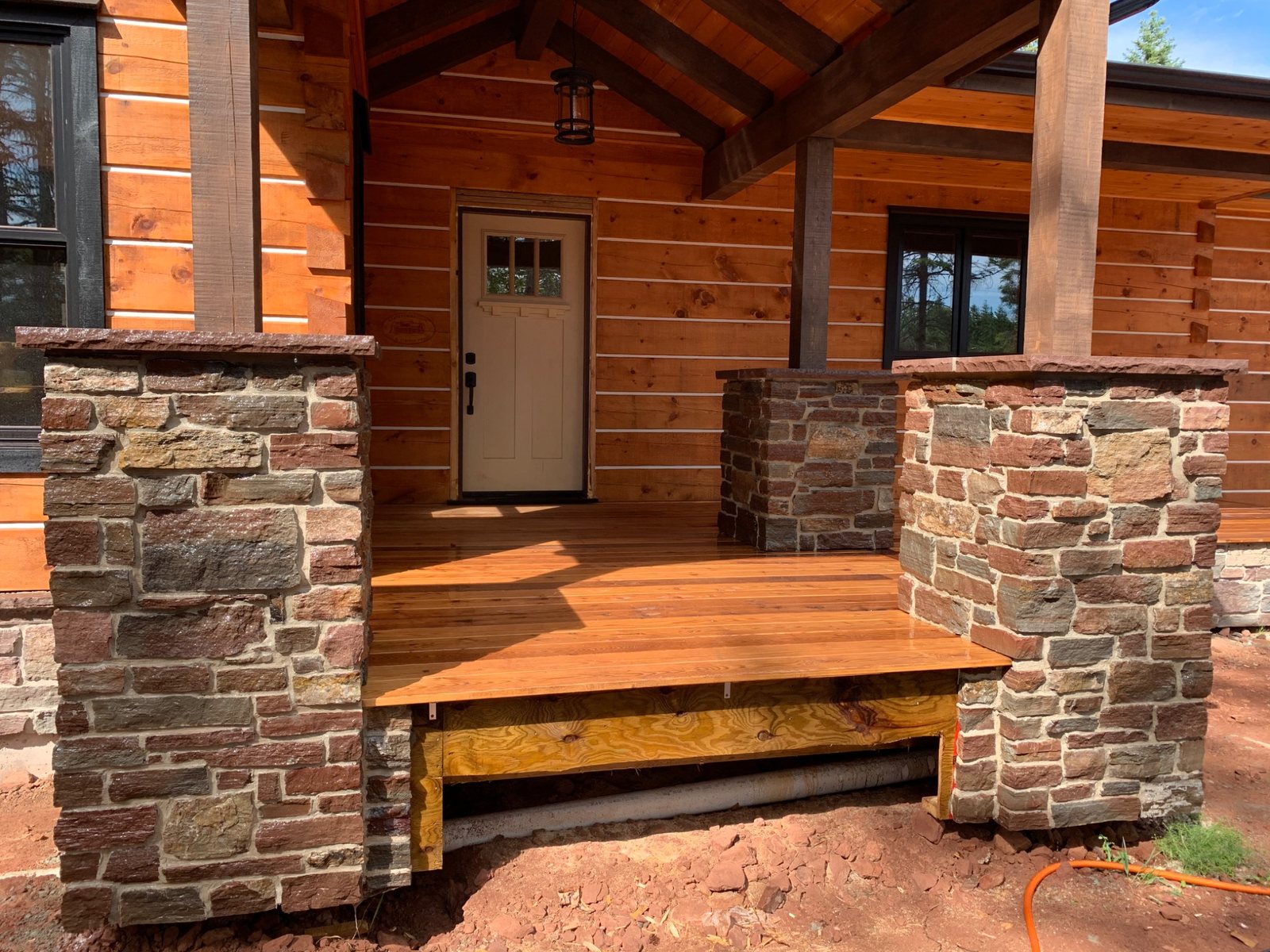
Same material, different structure. Natural stone can be laid dry or with mortar, but the wall still has to bear, drain and remain stable as a complete assembly.
No mortar is used between the face stones. Stability comes from careful bearing, stone shape, interlock, wall thickness, batter and gravity. Open joints allow water to drain rather than build pressure within the wall.
Mortar bonds and beds the units and creates the visible joint profile. The wall still needs appropriate support, drainage, caps and compatible mortar. A rigid jointed face cannot be expected to hold back movement caused by the soil or foundation.
Good dry-stone work is not random stacking. Stones are selected so they bear securely, bridge joints, tie the wall thickness together and create a slight batter where the wall type calls for it. Smaller packing stones support larger units without becoming loose wedges at the face.
Traditional walls may use long through stones or tie stones to connect both faces. The wall is strongest when the interior is built deliberately rather than filled with loose rubble after the faces are completed.
Because the joints are open, water can move through the wall instead of being trapped behind a dense face. That does not remove the need for drainage or sensible grading, especially on retaining walls.
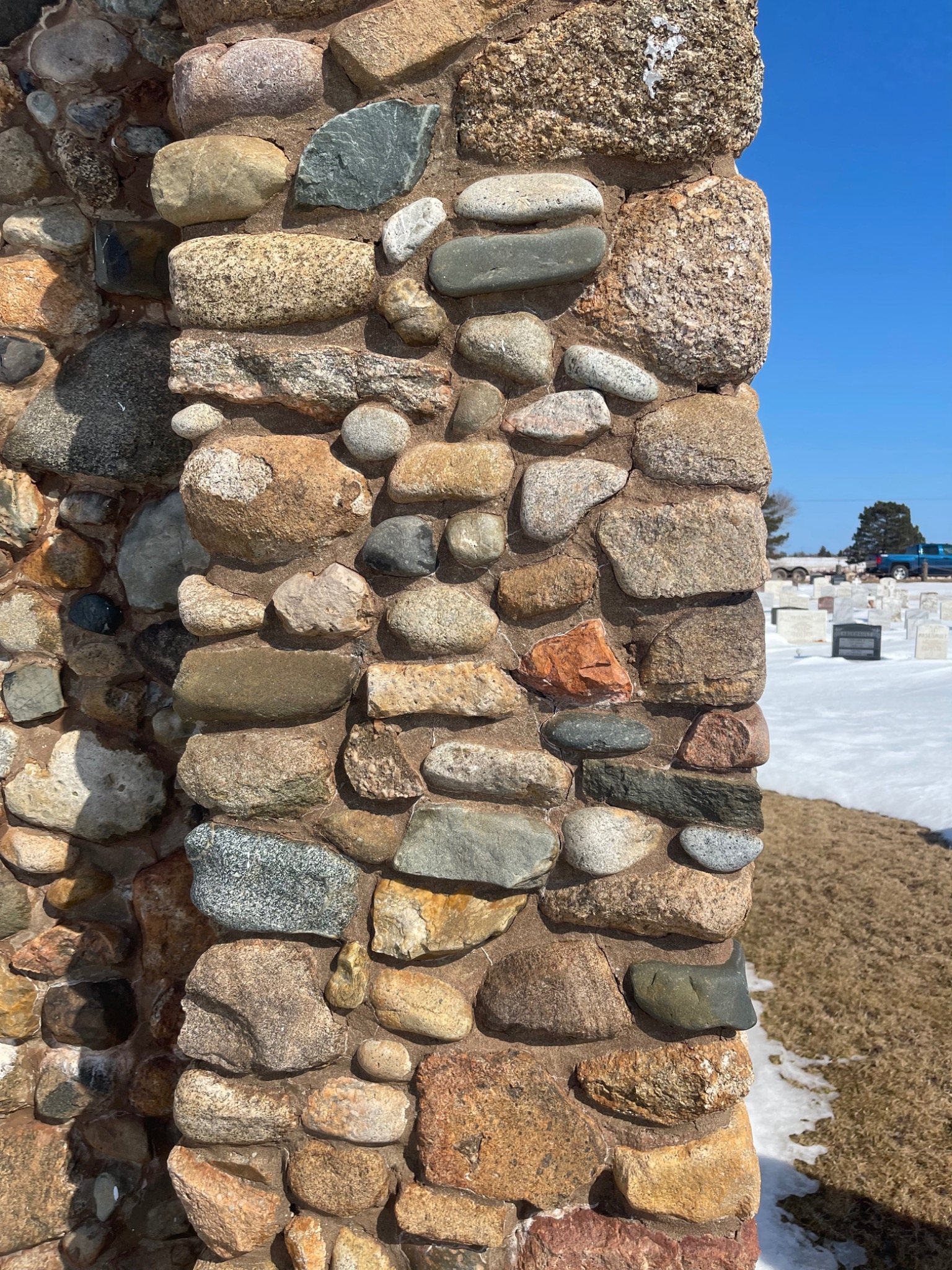
Stone selection matters. Irregular stone requires judgment about bearing, bond and how each piece relates to the wall around it.
Mortar fills bedding and head joints, helps distribute contact between irregular units and gives the wall a finished joint profile. The mortar still needs to be compatible with the stone and appropriate for exposure.
Very hard, dense mortar beside softer stone can create edge damage or redirect moisture into the stone. On older walls, matching strength, permeability, aggregate, colour and joint profile may matter more than maximizing compressive strength.
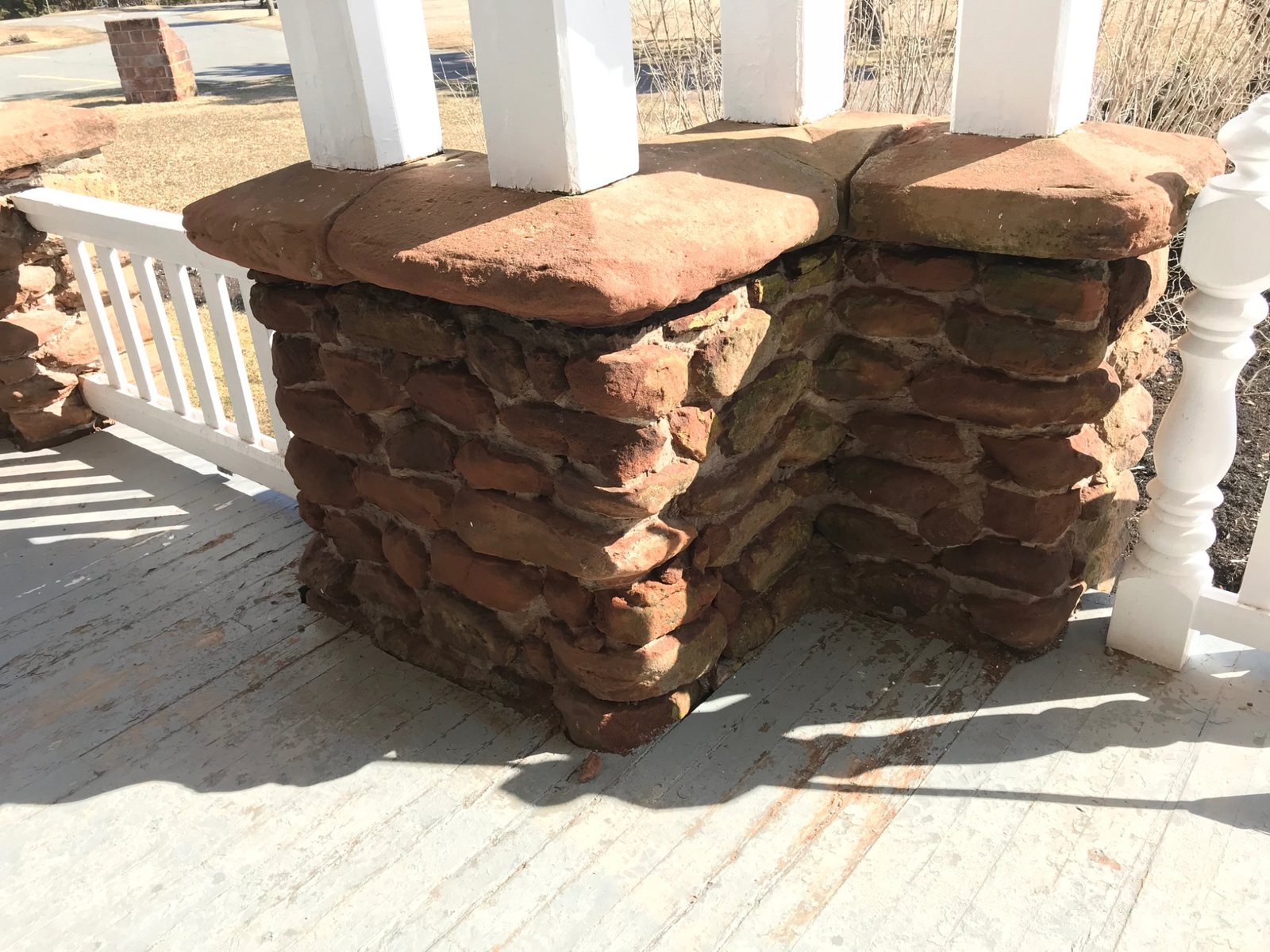
Mortar is part of the system. Joint profile and mortar properties influence appearance, drying and how the wall weathers.
Dry-laid stone can suit low freestanding and landscape walls where drainage, traditional character and flexibility are desirable.
Both systems can retain soil when designed appropriately, but drainage, wall mass, batter and surcharge become critical. A moving retaining wall is not fixed by mortar alone.
Mortared stone is common on building walls, piers, fireplaces, entrances and other architectural work where a bonded jointed assembly is required.
Adding mortar to an existing drainage-friendly wall changes how it moves and dries. The wall should be assessed as a system before the joints are filled simply because mortar looks more permanent.
A dry-laid wall that has settled may be dismantled locally, the base corrected and the original stone reset. A mortared wall with sound alignment may need selective repointing and stone replacement.
When either wall is leaning, bulging, opening through its depth or repeatedly losing units, broader rebuilding may be the proper repair. Rebuilding can still reuse much of the original stone if it remains sound.
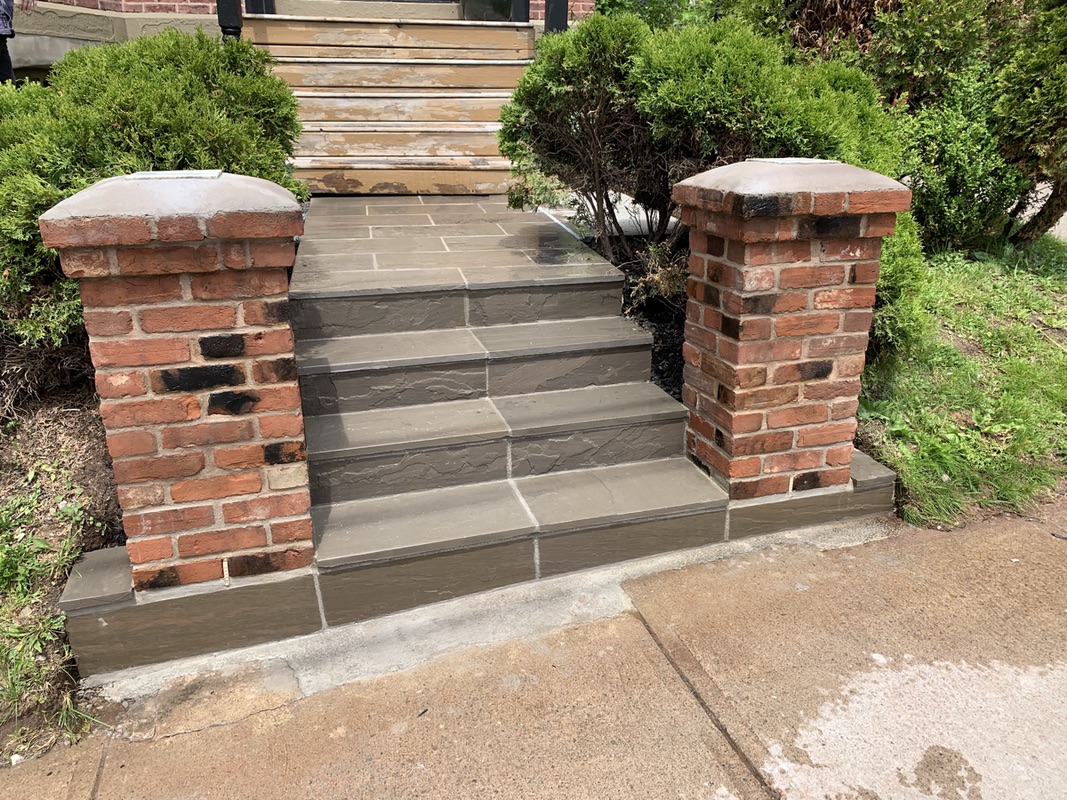
Repair philosophy: the goal is not to replace everything old. It is to retain sound material while restoring support, drainage and wall integrity.
Across Atlantic Canada, repeated wetting, snowmelt and freeze-thaw cycling expose weaknesses in bases, drainage and mortar. Dry walls often tolerate small movement because they are not rigidly bonded, while mortared walls depend more on stable support and compatible joints.
That does not make one system universally better. It makes water management and construction quality more important than the label applied to the wall.
National Park Service repointing guidance emphasizes matching repair mortar to historic masonry rather than assuming stronger mortar is better. Parks Canada's conservation standards similarly support repairing character-defining materials where practical and avoiding unnecessary replacement.
Dean is a third-generation mason with more than 20 years of hands-on experience in natural stone, brick, mortar, restoration, foundations, chimneys and heritage masonry in Prince Edward Island.
Last reviewed: August 28, 2026
Not automatically. A well-built dry wall uses stone mass, interlock and wall geometry instead of mortar to remain stable.
Yes. Mortar does not eliminate water pressure or the need to protect the wall from concentrated runoff.
Sometimes, but doing so changes how it drains and moves. The existing construction should be understood first.
Often yes. Sound stone can frequently be reset or rebuilt while correcting base, drainage and bonding problems.
Include the wall height, corners, top, grade, drainage, any movement and close-ups of the stone and joints. DinoMac can help determine whether the wall is best preserved as dry-laid work, repointed as mortared masonry or rebuilt more substantially.