1. Size & Proportion
Brick height, length and depth affect joint layout. Stone size and bed depth affect the pattern of the wall. Small dimensional differences can become very obvious over several courses.
Matching brick, stone and mortar is more than choosing the closest colour. Size, texture, absorption, strength, joint width, tooling, weathering and even the natural variation across the original wall all affect whether a repair blends in and performs properly.
The best repairs usually disappear into the building from a normal viewing distance while still being honest, compatible work on close inspection.
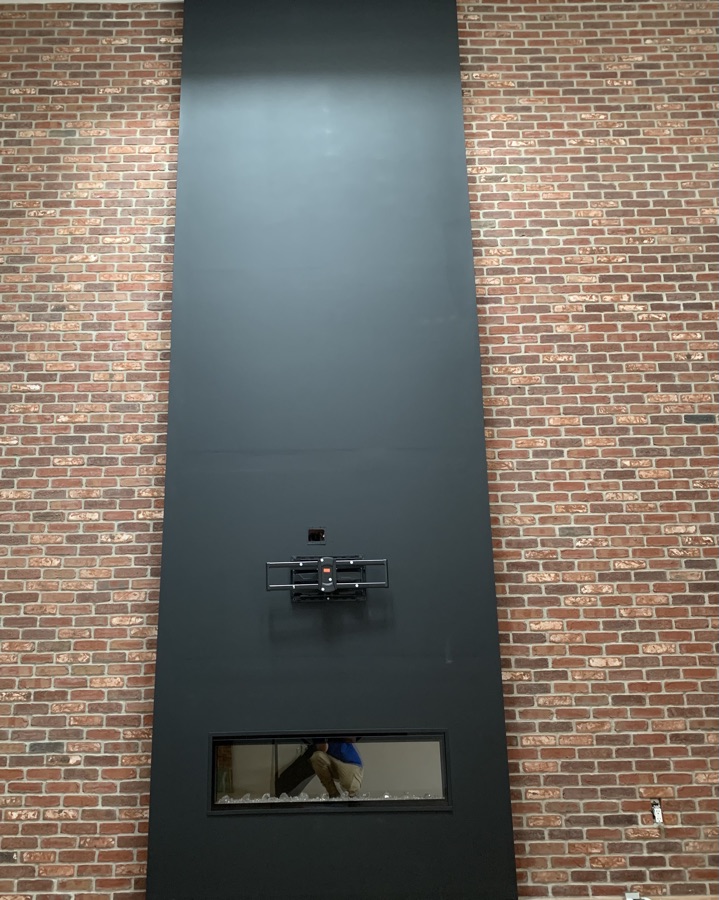
Field principle: Historic masonry rarely has one perfect colour. A wall may contain several shades, textures and joint appearances. Matching the overall range is usually more convincing than matching one isolated brick or one weathered mortar joint.
A repair can be the right colour and still look wrong or weather differently.
Brick height, length and depth affect joint layout. Stone size and bed depth affect the pattern of the wall. Small dimensional differences can become very obvious over several courses.
Match the range in the wall, not one perfect sample. Older handmade brick and natural stone can vary significantly from unit to unit.
Smooth, sanded, wire-cut, handmade, split-face, sawn and weathered surfaces reflect light differently even when their colour is similar.
Absorption, density, strength and moisture movement affect how replacement units and mortar weather beside the original masonry.
Mortar colour, aggregate, joint width, depth and tooling can change the visual character of a wall as much as the brick or stone itself.
New material may look slightly different at first. The important question is whether it will age toward the existing wall rather than away from it.
National Park Service Preservation Brief 2 notes that an older wall may contain a broad range of brick colours, textures and sizes. Replacement units should blend with that range rather than copy one isolated unit.
Size is especially important. A brick that is slightly taller or longer can force the mason to change joint widths, which makes the repair obvious even if the brick colour is close.
Surface texture also matters. A smooth modern brick beside an irregular handmade or weathered brick can stand out more than a modest colour difference.
Finally, replacement units should be physically appropriate for the wall. A brick's absorption and durability affect how it interacts with mortar, moisture and freeze-thaw exposure.
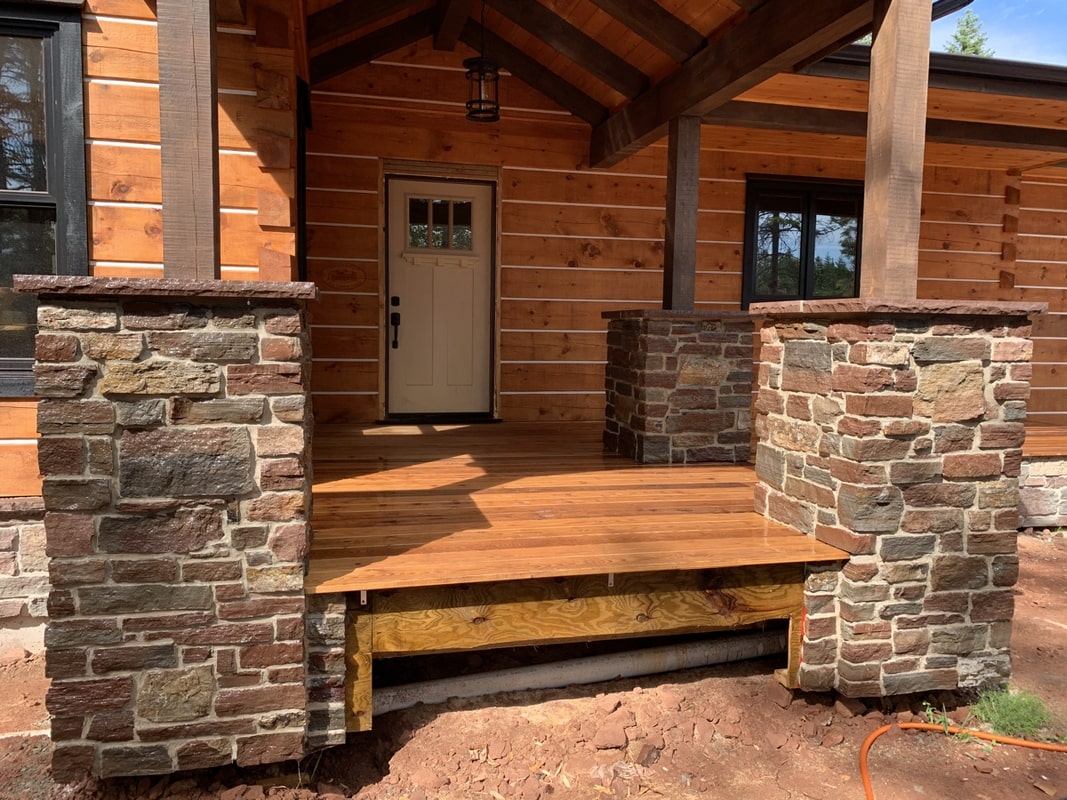
Natural stone is inherently variable. A successful repair often needs several pieces selected and blended together rather than one stone that happens to match the colour of the piece beside it.
Stone can vary by quarry, geological layer, bedding, mineral content and finish. Two stones that look similar in a small sample can weather very differently once installed outdoors.
Colour is often only the first screening step. Grain, veining, layering, surface finish, porosity and the direction in which the stone naturally beds can all affect appearance and performance.
In rubble and fieldstone walls, the match also includes shape distribution. A repair made entirely from small flat pieces will stand out in a wall built with larger irregular stones even if the stone type is correct.
Sandstone, granite, limestone and other stones have different pore structures, strengths and weathering patterns.
Compare dry stone in natural light. Many stones darken significantly when wet, which can make a poor match look temporarily convincing.
Layered stones should be laid in an orientation appropriate to the material and original work. Bedding can affect long-term durability.
Split, sawn, thermal, tooled and naturally weathered surfaces catch light differently and can make similar stone appear unrelated.
Match the wall's proportion of large, small, long, square and irregular pieces rather than simply filling the opening with whatever fits.
Consider how the new stone is likely to age. Some stones lighten, darken, oxidize or develop surface texture with exposure.
Mortar colour is strongly influenced by the sand, binder and aggregate. Historic mortar can also contain local sand or inclusions that create a distinctive texture that pigment alone cannot reproduce.
The exposed surface of an old joint is not always the best sample. Weather, dirt, biological growth and surface erosion can change its colour. National Park Service guidance recommends comparing the new mix with an unweathered interior portion of the historic mortar.
Physical compatibility matters as well. A very hard, dense repair mortar may look acceptable on day one but perform poorly beside softer historic brick or stone.
Read the mortar compatibility guide →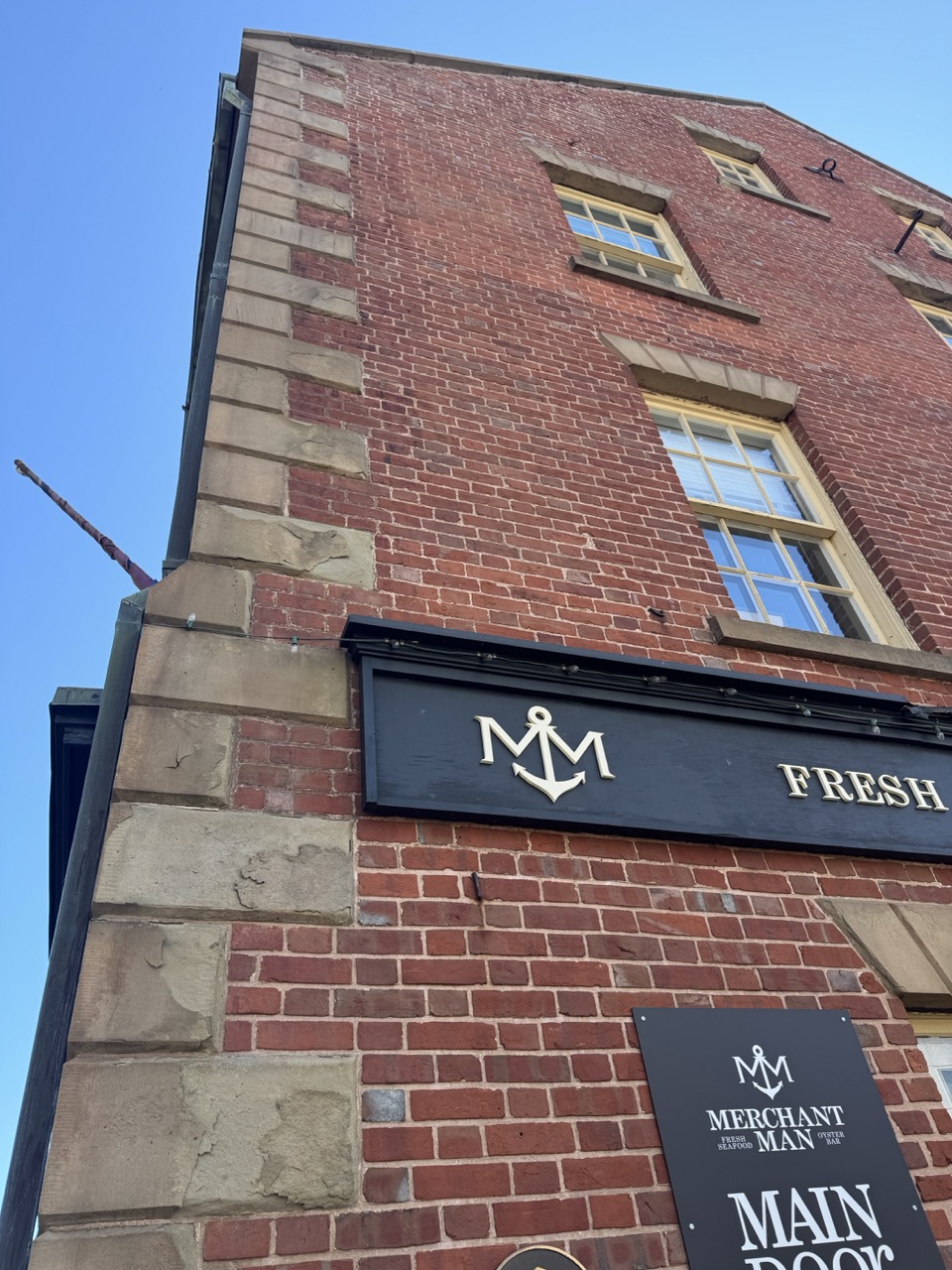
Mortar is part of the architecture. Joint width, colour, aggregate and tooling change the shadow lines of a wall. A technically sound mortar can still look wrong if the joint profile does not match the original work.
Joint width is tied to masonry-unit size and original workmanship. Enlarging narrow historic joints can change the scale of the entire wall.
Flush, recessed and shaped joints create different shadow lines. Excessive recession can also expose masonry edges to more water.
Concave, weathered, flush and other joint profiles compress and present the mortar differently. Historic work should be matched rather than given a modern profile by default.
For a visually important repair, build or place a sample before committing to the full area. The sample should include the proposed brick or stone, mortar colour, joint width and tooling.
Let mortar cure before approving colour. Fresh mortar is darker and can change noticeably during early curing. Stone and brick should also be judged dry, because water can temporarily alter colour and contrast.
View the sample from the normal viewing distance as well as up close. A repair that looks perfect from 30 centimetres away may form an obvious patch when seen across the street.
Salvaged brick can sometimes provide dimensions, colour and texture that are difficult to reproduce with new units. Salvaged stone may also be useful where the original quarry or material is no longer available.
The condition still matters. A brick that has already lost its fired face or a stone weakened by previous freeze-thaw exposure may be a poor replacement even if it looks correct.
Mortar residue should also be removed without damaging the unit. Reclaimed masonry should be selected for both appearance and serviceability.
Exact historic brick, stone or aggregate may no longer be manufactured or quarried. In that situation, the goal changes from perfect duplication to a compatible repair that does not draw unnecessary attention to itself.
Depending on the project, that can mean blending several replacement units, distributing them through a larger repair area, reserving salvaged material for the most visible locations or selecting a replacement that matches the wall's overall range rather than one exact shade.
Parks Canada's conservation standards support repair over unnecessary replacement and, where replacement is required, matching the forms, materials and detailing of sound original elements where sufficient evidence exists.
Think in groups, not isolated units. The eye reads the overall distribution of colour, shape, joint and texture. A repair can blend successfully even when no single new unit is a perfect duplicate.
Older walls often contain a range. Copying one dark or light unit can make the whole repair patch look unnaturally uniform.
A brick with the right colour but wrong height forces different joint widths and makes coursing difficult to hide.
Fresh mortar darkens the joint. Approving it before curing can lead to a much lighter final result than expected.
Strength is not the same as compatibility. The surrounding brick or stone should not become the sacrificial material.
Surface finish can make two similarly coloured units read completely differently under daylight.
Historic walls often have natural irregularity. A perfectly uniform repair can stand out because it lacks the variation of the original work.
Prince Edward Island, Nova Scotia and New Brunswick contain many older brick and stone buildings built with materials that were locally sourced, regionally manufactured or imported in generations that are no longer readily available from modern suppliers.
PEI sandstone, other Maritime sandstones, granite, older clay brick and lime-rich mortars can all show substantial natural variation. That makes the regional repair problem less about finding one catalogue colour and more about understanding the original material and how it has weathered.
The matching principles in this guide are universal, but they are particularly useful where older buildings and modern replacement materials have to meet in the same wall.
Regional lesson: The closer a repair gets to the building's original size, texture, material behaviour and joint character, the less it tends to read as a modern patch.
National Park Service Preservation Brief 2 specifically recommends examining replacement masonry units for the range of colours, textures and sizes found in the original wall rather than matching a single brick or stone.
The same guidance recommends matching repointing mortar to an unweathered interior portion of the historic mortar and matching the original joint width and tooling.
Parks Canada's Standards and Guidelines favour repair over unnecessary replacement and call for replacement elements, where required, to match the form, materials and detailing of sound historic elements where sufficient evidence exists.
NPS Preservation Brief 2: Repointing Historic Masonry →
Dean is a third-generation mason with more than 20 years of hands-on experience working with brick, natural stone, chimneys, foundations, repointing and masonry restoration in Prince Edward Island. The Knowledge Centre uses that field experience to explain masonry problems that are also common across Atlantic Canada and other cold, wet climates.
Last reviewed: August 28, 2026
No. Older walls often contain a range. The goal is usually to blend with that range while also matching size, texture and physical behaviour.
Compare a cured sample with an unweathered interior portion of the original mortar. Sand and aggregate often matter as much as pigment.
No. Stronger is not automatically better. The repair mortar needs to be compatible with the masonry units and the existing wall.
Use the closest physically compatible material and a controlled blending strategy rather than forcing one obviously different unit into the repair.
A wide photo shows the colour range, coursing and joint pattern. Add close-ups of the brick or stone, mortar and any loose replacement pieces. For DinoMac service work, include the PEI property location.