Roof Runoff
Overflowing gutters or short downspouts can saturate a narrow section of foundation repeatedly during storms and snowmelt.
A damp stone basement does not automatically mean the foundation is failing. Old foundations can become wet because too much water is being delivered to the wall, because the masonry has open joints and voids, because groundwater pressure is acting below grade, or simply because humid air is condensing on a cold basement surface.
The useful first question is not “How do I seal the inside?” It is: where is the moisture coming from, and is the wall itself still stable?
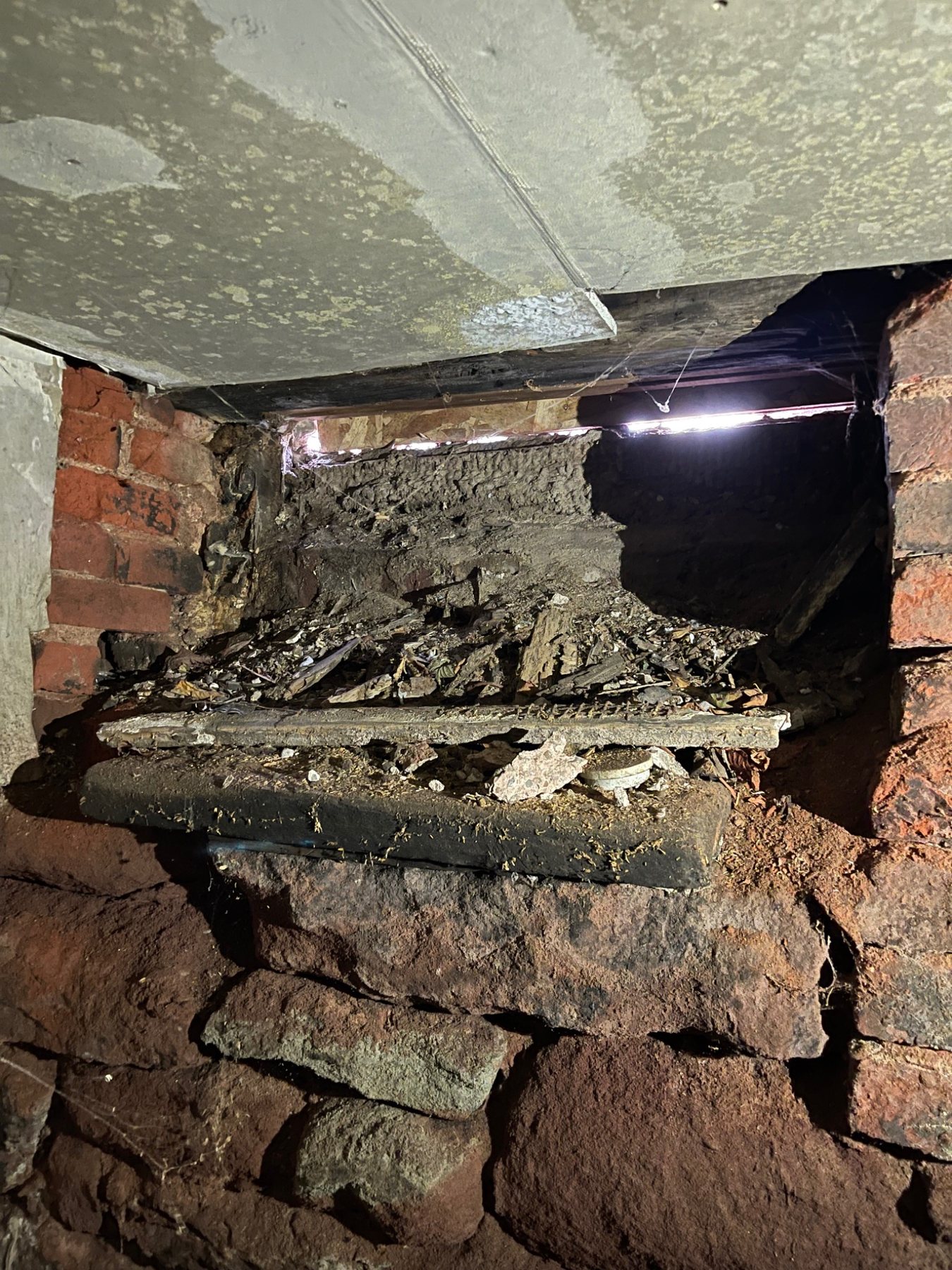
Wet does not always mean failed. But dampness combined with loose stone, deep voiding or wall movement is a different condition from a stable wall that is simply receiving too much exterior water.
Before assuming groundwater is coming through the entire foundation, walk the outside of the building during or shortly after rain.
Look at roof runoff, downspouts, low spots, soil slope, paved areas and where snow is stored. Compare the wet basement area with the exterior wall directly outside it.
If one corner is repeatedly soaked by a downspout or the ground slopes toward the wall, the foundation may be doing exactly what an old masonry wall does when it is kept wet: absorbing and passing moisture.
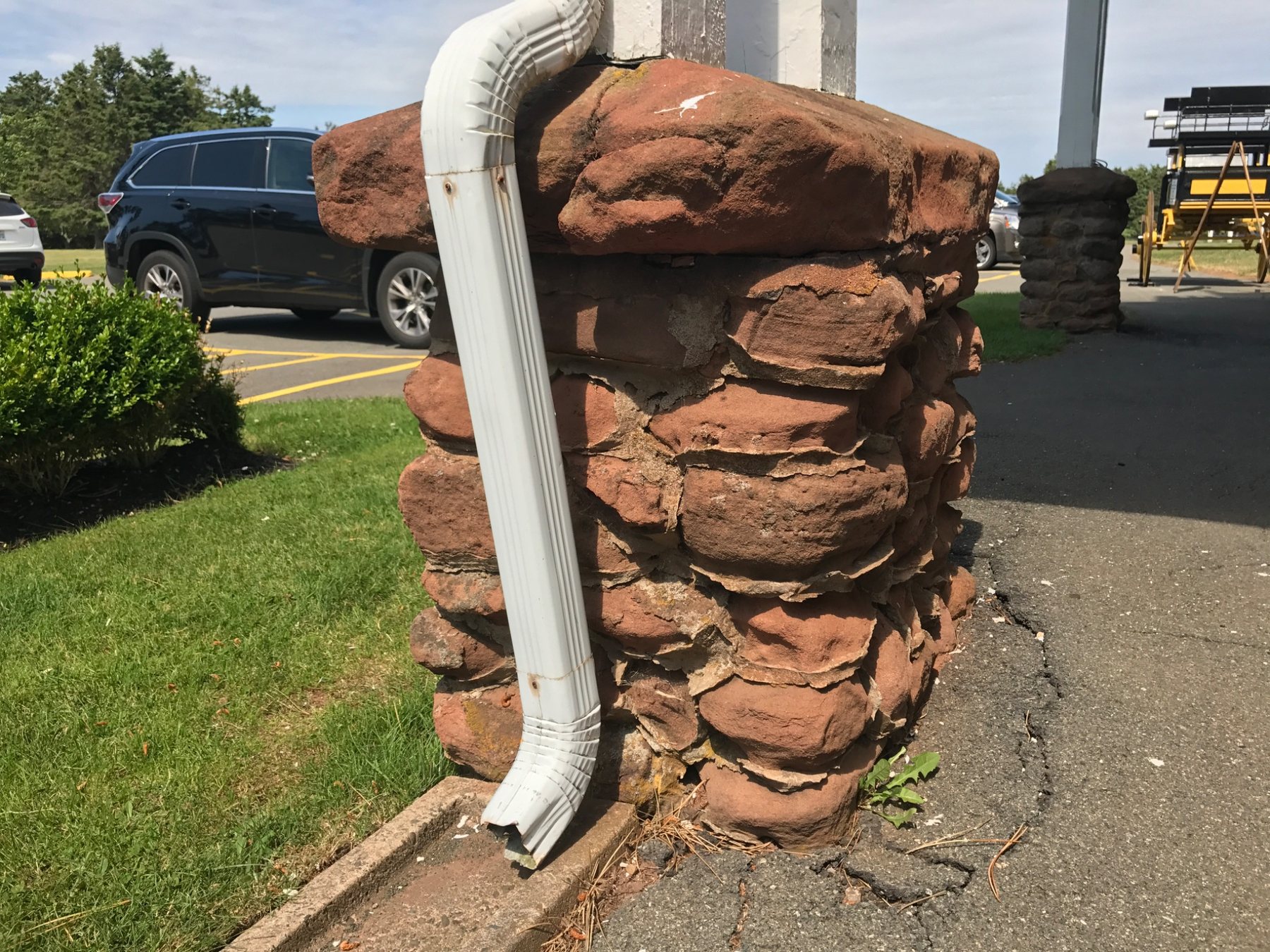
Easy water source, real consequences. Roof runoff delivered beside one foundation corner can create recurring interior dampness even when the wall remains structurally sound.
The timing and location of the dampness help separate them.
Overflowing gutters or short downspouts can saturate a narrow section of foundation repeatedly during storms and snowmelt.
Soil or hardscape sloping toward the building directs surface water to the foundation instead of away from it.
A high water table, poor subsurface drainage or seasonal groundwater can keep below-grade masonry wet even when roof drainage is good.
Deeply eroded joints and internal voids can create easier paths for water through an old rubble wall.
Cracks can become direct water paths, especially when settlement or displacement has opened the wall beyond normal mortar weathering.
Humid air meeting a cold basement wall can create surface moisture even when exterior water is not actively penetrating the foundation.
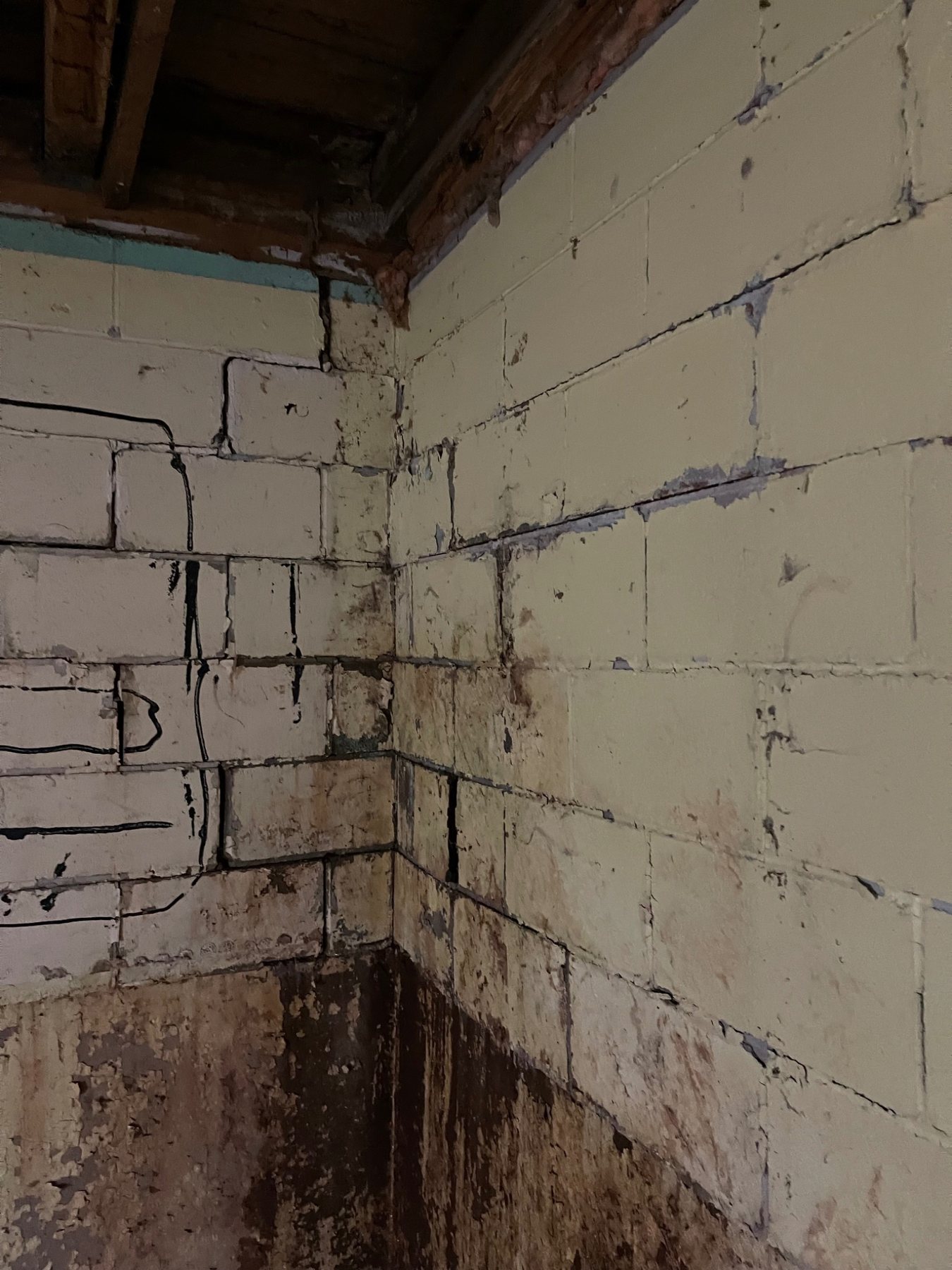
Timing matters. Staining that darkens after heavy rain or spring melt points more strongly toward water entry than a wall that becomes broadly damp only during hot, humid summer weather.
Condensation forms when warm, humid air contacts a cold surface and cools below its dew point. Old stone basement walls can remain cool well into summer, especially below grade.
Condensation tends to be broad and surface-oriented. Water entry is more often localized, related to storms or snowmelt, and may emerge through specific joints, cracks or low points.
A simple clue is whether the moisture pattern changes closely with outdoor rainfall. Interior humidity measurements can also help separate condensation from infiltration.
Traditional stone foundations may contain two outer faces with smaller stones, mortar and irregular hearting between them. Water can enter the wall and move through voids long before the exterior looks dramatically damaged.
Deep mortar loss, loose hearting and open voids can therefore increase water movement while also reducing the wall's internal integrity.
Repointing can restore failed joints when the wall remains stable. Where the interior has become loose or hollow, deeper masonry repair may be needed before a surface finish is applied.
See how old stone foundations are built →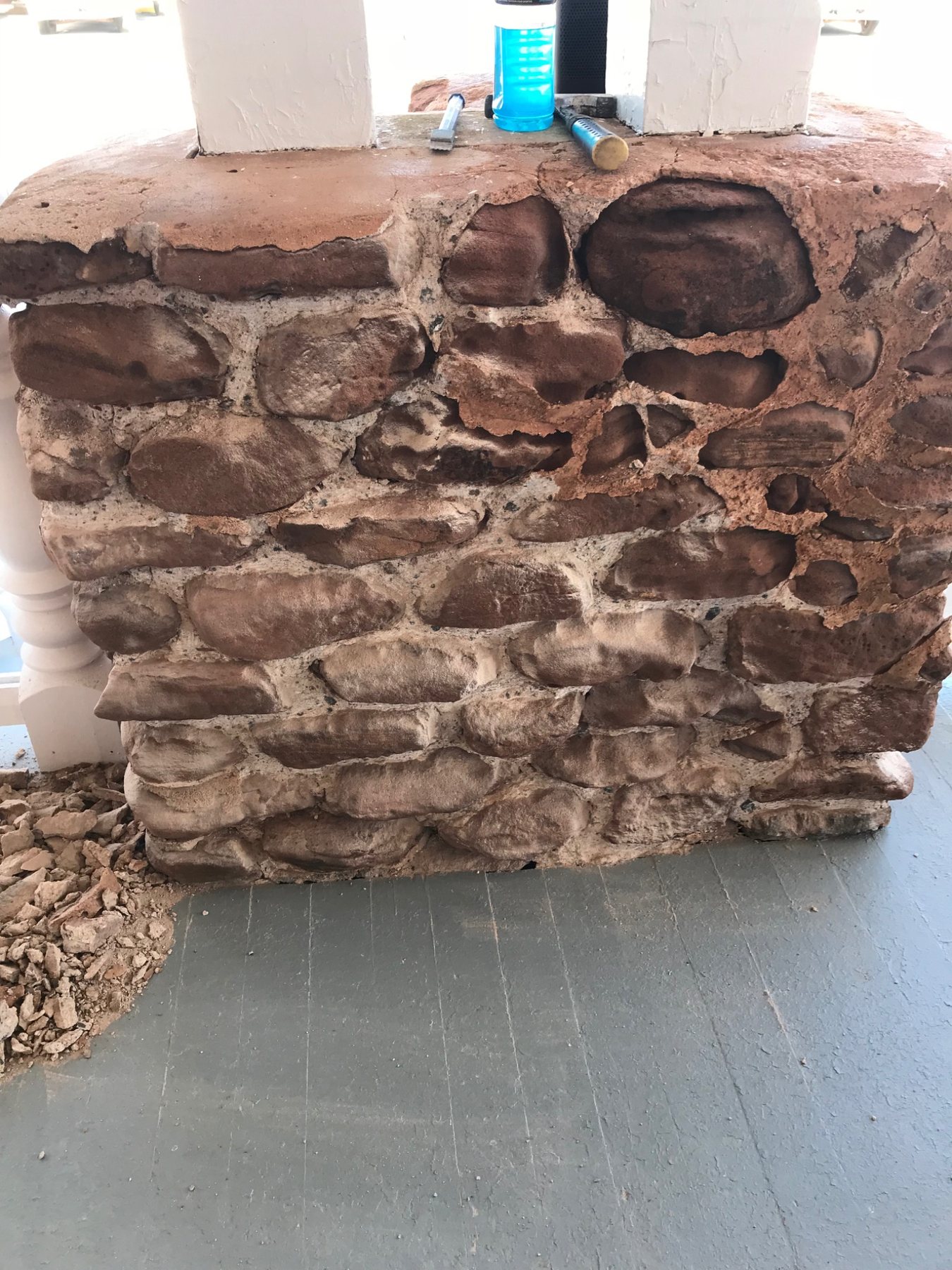
The wall has depth. A neat exterior joint does not tell you whether the interior core is sound, and an ugly surface does not automatically mean the whole wall has failed.
These distinctions help decide whether drainage, masonry repair or structural review should come first.
Dampness follows rain or snowmelt, the wall remains aligned, stones are not moving, mortar loss is limited, and an exterior water source is visible.
Deep joints, loose stones, recurring voids, failed parging and chronic moisture suggest the wall itself needs repair as part of the moisture solution.
Bulging, leaning, displaced stones, stepped cracking or a wall that is no longer plumb points beyond a simple damp-basement problem.
Water repeatedly appears low on several walls, at the wall-floor joint or during high groundwater conditions despite good roof drainage and grading.
NRC Canada basement guidance places major emphasis on grading and drainage. Surface water should move away from the building, and below-grade drainage should prevent prolonged water pressure against the foundation where the construction requires it.
On an older property, changes made over decades can reverse the original drainage pattern. New driveways, patios, flower beds or added soil can raise exterior grade and direct water toward the house.
Correcting those conditions can sometimes reduce basement dampness dramatically without dismantling a structurally sound stone wall.
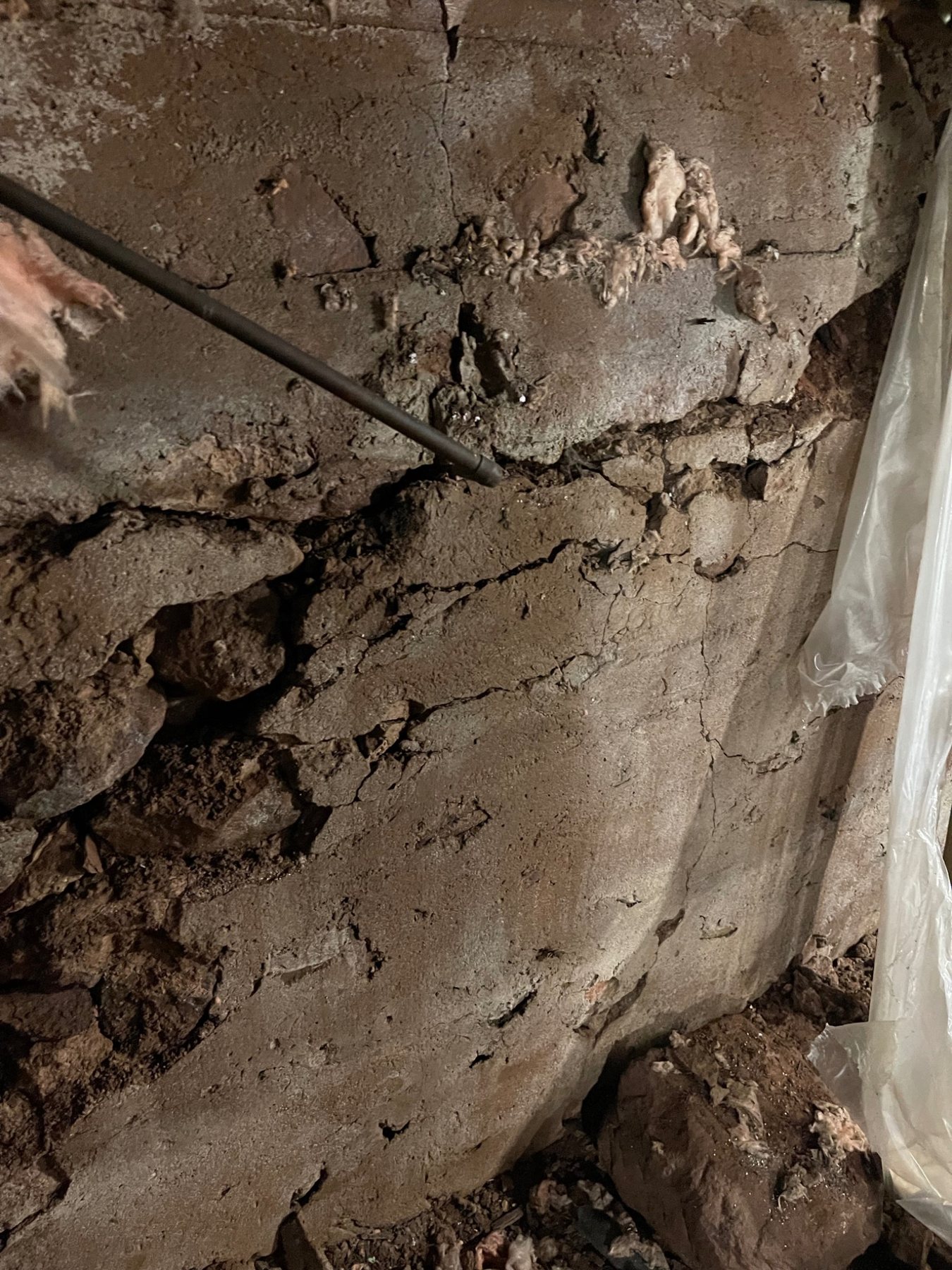
Parging can hide the evidence. Repeated cracking or hollow parging may be telling you that moisture or movement continues behind the surface.
Parging can be a useful finish after the wall behind it is repaired and the material is compatible with the foundation.
What it should not become is a substitute for drainage. Dense interior coatings can trap moisture in older masonry, slow drying and force water to emerge at cracks, floor joints or adjacent areas instead.
National Park Service moisture guidance specifically cautions against sealing unwanted moisture into damp historic masonry with waterproof coatings.
Read the parging guide →If water is moving through deeply eroded joints, repointing can reduce direct pathways and restore the masonry surface.
But a wall held under chronic exterior saturation or groundwater pressure may continue to become wet even after the joints are repaired. The masonry and the drainage conditions have to be considered together.
On older stonework, the replacement mortar also needs to suit the existing stone and original mortar. A very dense, hard mix can create new compatibility and drying problems.
Read the mortar compatibility guide →
Repointing has limits. Deep voiding, loose stone or a wall being saturated from outside may require more than replacing the visible joint face.
Excavation can provide access for drainage, waterproofing membranes, foundation repair and exterior repointing. It can be appropriate when groundwater, deteriorated below-grade masonry or failed exterior drainage is clearly part of the problem.
But excavating an old stone wall changes the support and moisture conditions around it. Deep or long sections should be planned carefully, especially where the foundation is irregular, loose or supporting an older structure.
The useful sequence is diagnosis first, then a repair plan that addresses drainage and masonry together without unnecessarily destabilizing the wall.
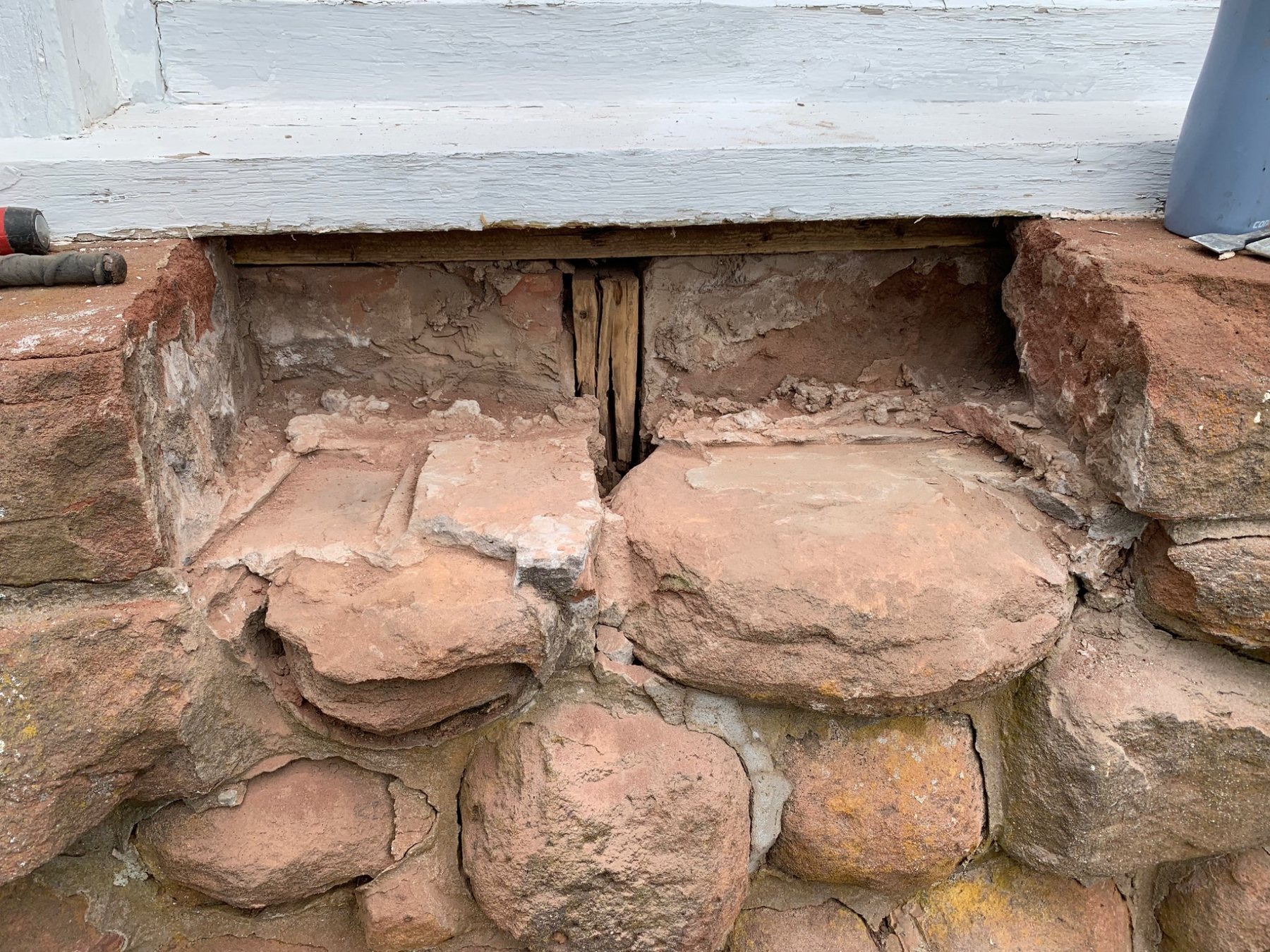
Support matters. A wet wall that is also moving, bulging or losing bearing is no longer only a moisture-management question.
A mason can assess the condition of the stone and mortar. Where bearing, structural movement or foundation support is uncertain, engineering input may also be appropriate before rebuilding.
Prince Edward Island, Nova Scotia and New Brunswick combine heavy rain, snowmelt, wind-driven precipitation, coastal weather and repeated winter freezing and thawing.
Old stone foundations can remain wet for long periods in spring and fall, especially where exterior grade or drainage has changed over the life of the building. Moisture can then contribute to mortar loss and freeze-thaw deterioration near grade.
The regional approach should be to manage water before it reaches the wall, repair compatible masonry where deterioration has occurred, and avoid assuming that every damp basement needs a full foundation rebuild.
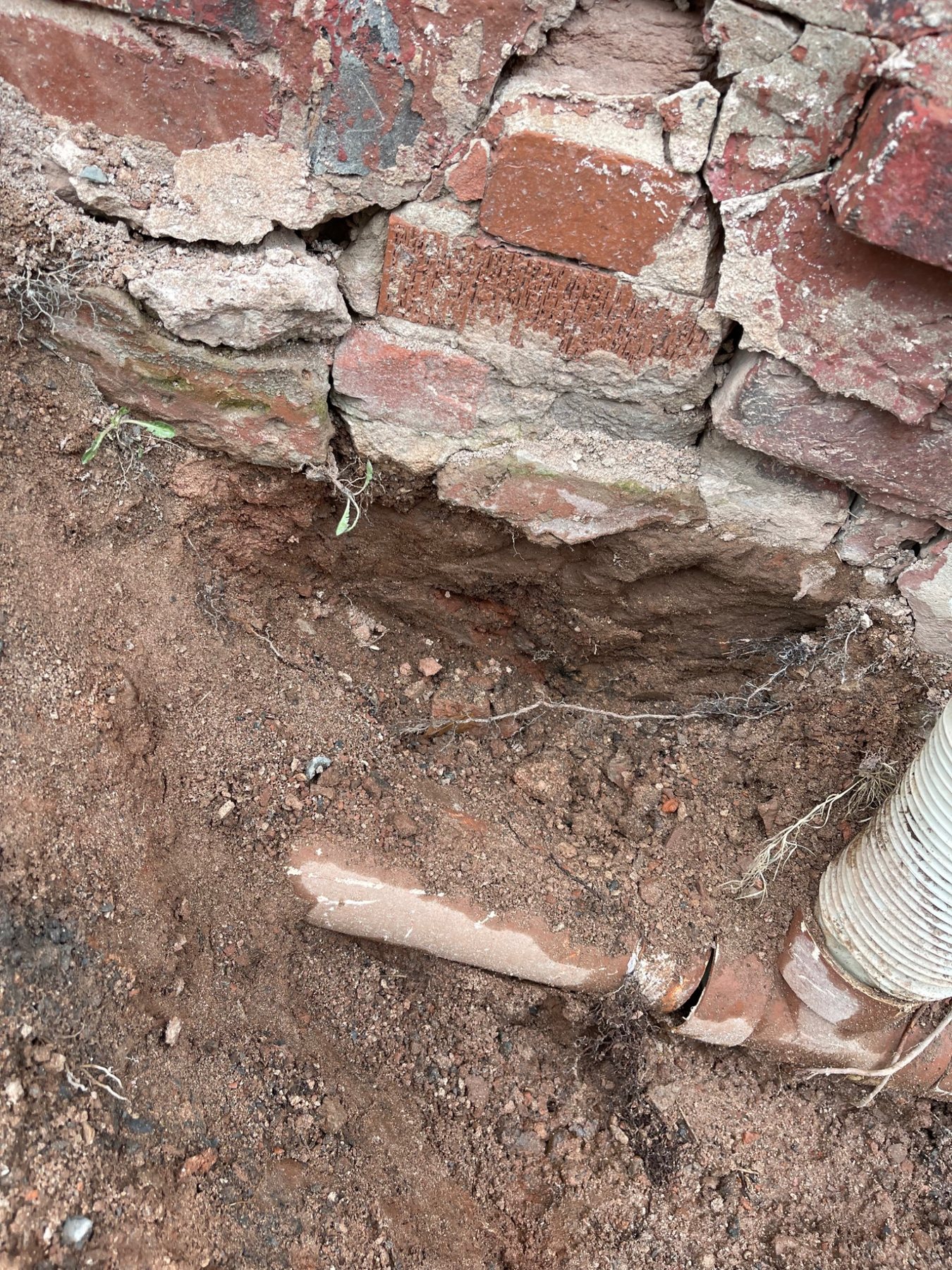
The grade line is a hard-working part of the wall. Rain splash, wet soil, snow and freezing all concentrate around the same lower foundation zone.
Show the full basement wall, floor joint, openings and where the damp area starts and stops.
Photograph deep mortar loss, salts, loose stone, cracks and any visible water path.
Photograph the outside of the same area so grade, downspouts and wall condition can be compared.
Show gutters, downspouts, extensions and areas where water discharges or ponds.
Include soil slope, driveways, patios, steps and other surfaces that may direct water toward the foundation.
Photograph bulging, leaning, displaced stones, cracks and any change at beam or opening support points.
NRC Canada guidance on basement performance emphasizes grading and foundation drainage as major tools for keeping water away from below-grade walls.
National Park Service Preservation Brief 39 recommends finding and correcting the source of unwanted moisture rather than treating only the visible damage. It also cautions that dense waterproof coatings can trap moisture inside historic masonry.
Parks Canada's Province House conservation work provides a regional example of long-term moisture and freeze-thaw deterioration within old stone foundation masonry, reinforcing the importance of drainage and compatible repair.
NRC Canada: Site Grading and Drainage for High-Performance Basements →
NRC Canada: Drainage Around Buildings →
Dean is a third-generation mason with more than 20 years of hands-on experience working with brick, natural stone, chimneys, foundations, repointing and masonry restoration in Prince Edward Island.
The DinoMac Masonry Knowledge Centre uses PEI field experience to explain masonry conditions that are also common across Atlantic Canada and other cold, wet climates.
Last reviewed: August 26, 2026
No. Drainage, runoff, groundwater, condensation and open joints can all create dampness without structural failure.
Start outside with gutters, downspouts, grade, low spots and where water collects during rain or snowmelt.
It can repair failed joints, but it cannot overcome chronic saturation or groundwater pressure by itself.
Diagnose the water source first. Dense coatings can trap moisture in old masonry and move the problem elsewhere.
Yes. Broad surface moisture during humid weather can be condensation, especially when it does not track closely with rainfall.
When the wall is bulging, leaning, losing stone, showing major movement or has uncertain bearing and support conditions.
Include the whole wet wall, close-ups of mortar and stone, the exterior grade, gutters and downspouts, any visible movement and the PEI property location. DinoMac can help determine whether the visible condition looks primarily like water management, masonry deterioration or a foundation movement problem.