Reduce Surface Absorption
A penetrating repellent can reduce the amount of wind-driven rain absorbed by porous masonry during exposure.
Sometimes a masonry water repellent is useful. Often it is unnecessary. And in the wrong situation, “sealing” brick or stone can slow drying, trap moisture and make deterioration worse.
The first distinction is important: a penetrating water repellent is not the same thing as a film-forming waterproof coating. The second question is even more important: why is the masonry getting wet?
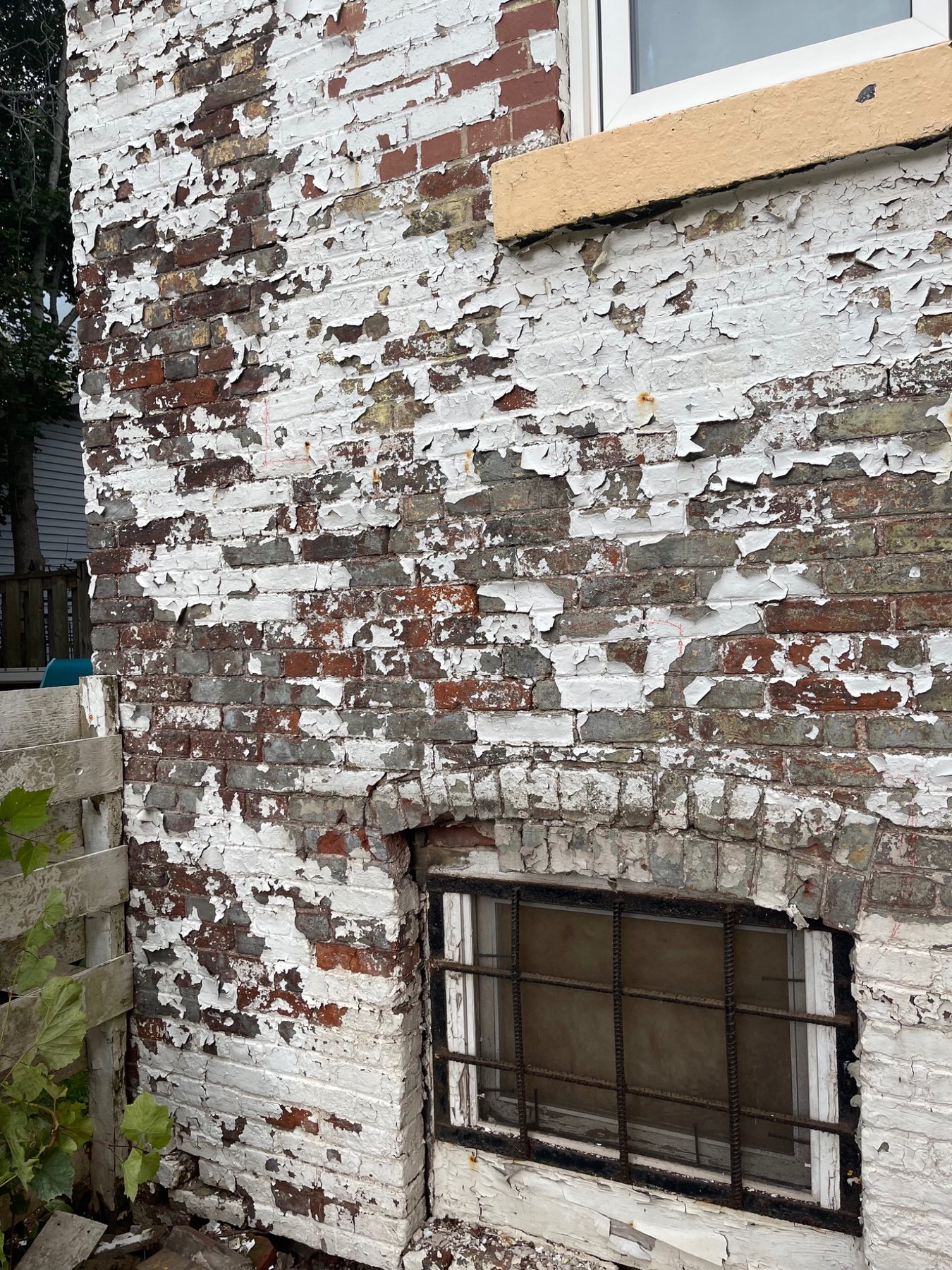
Coatings change how masonry dries. Before adding another layer, identify whether the wall is wet because of rain absorption or because water is entering through cracks, flashing, joints, grade or another source.
The label on the bucket matters less than what the treatment actually does to liquid water and water vapor.
Typically designed to soak into the pore structure and reduce absorption of liquid rainwater while remaining relatively open to water-vapor movement. Silane and siloxane chemistries are common examples.
Forms a more continuous layer over the masonry. These coatings can reduce drying much more strongly and may peel, blister or trap moisture behind the surface, especially on exterior walls exposed to freezing.
It should be considered one tool in a water-management strategy, not a universal masonry repair.
A penetrating repellent can reduce the amount of wind-driven rain absorbed by porous masonry during exposure.
Some penetrating products are nearly invisible when correctly selected and tested, although appearance changes are still possible.
Breathable repellents are intended to allow more drying than dense film-forming waterproof coatings.
In a carefully selected application, lower rain absorption can reduce how frequently the outer masonry becomes saturated.
A repellent may be considered after cracks, joints, flashing and other water entry defects have already been corrected.
Water repellents are not permanent. Performance changes over time and retreatment should be based on actual condition rather than a fixed calendar.
Brick Industry Association guidance recommends correcting conditions that contribute to water penetration before applying a clear coating.
That includes open mortar joints, failed sealant, cracks, missing or damaged flashing, blocked drainage, roof runoff and other defects that let water enter the wall through paths a surface treatment cannot bridge reliably.
If liquid water is already getting behind the masonry, slowing evaporation at the face may make the wall wetter rather than drier.
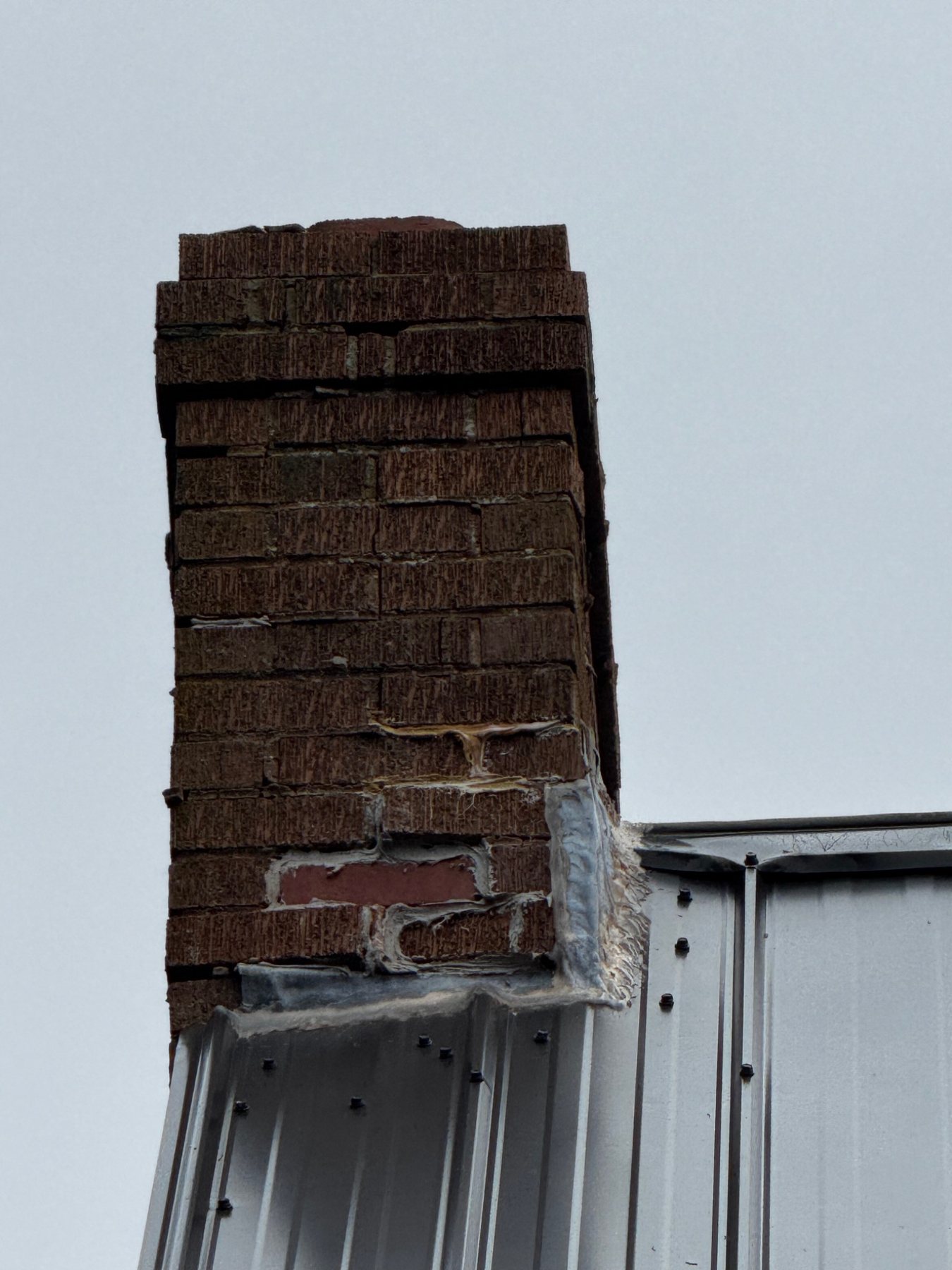
Find the entry point first. Flashing, caps, joints and roof intersections often matter more than the absorption of the brick itself.
Freeze-thaw deterioration depends heavily on how wet the masonry becomes before it freezes. Saturated pores provide less room for ice expansion and can create damaging internal stresses.
Brick Industry Association Technical Note 6A specifically recommends against film-forming coatings on brickwork in freeze-thaw environments.
A breathable penetrating repellent is less restrictive than a film coating, but even breathable products reduce vapor permeability to some degree. That is why trapped moisture, rising damp, roof leaks and internal water sources should be addressed before treatment.
Read the freeze-thaw masonry guide →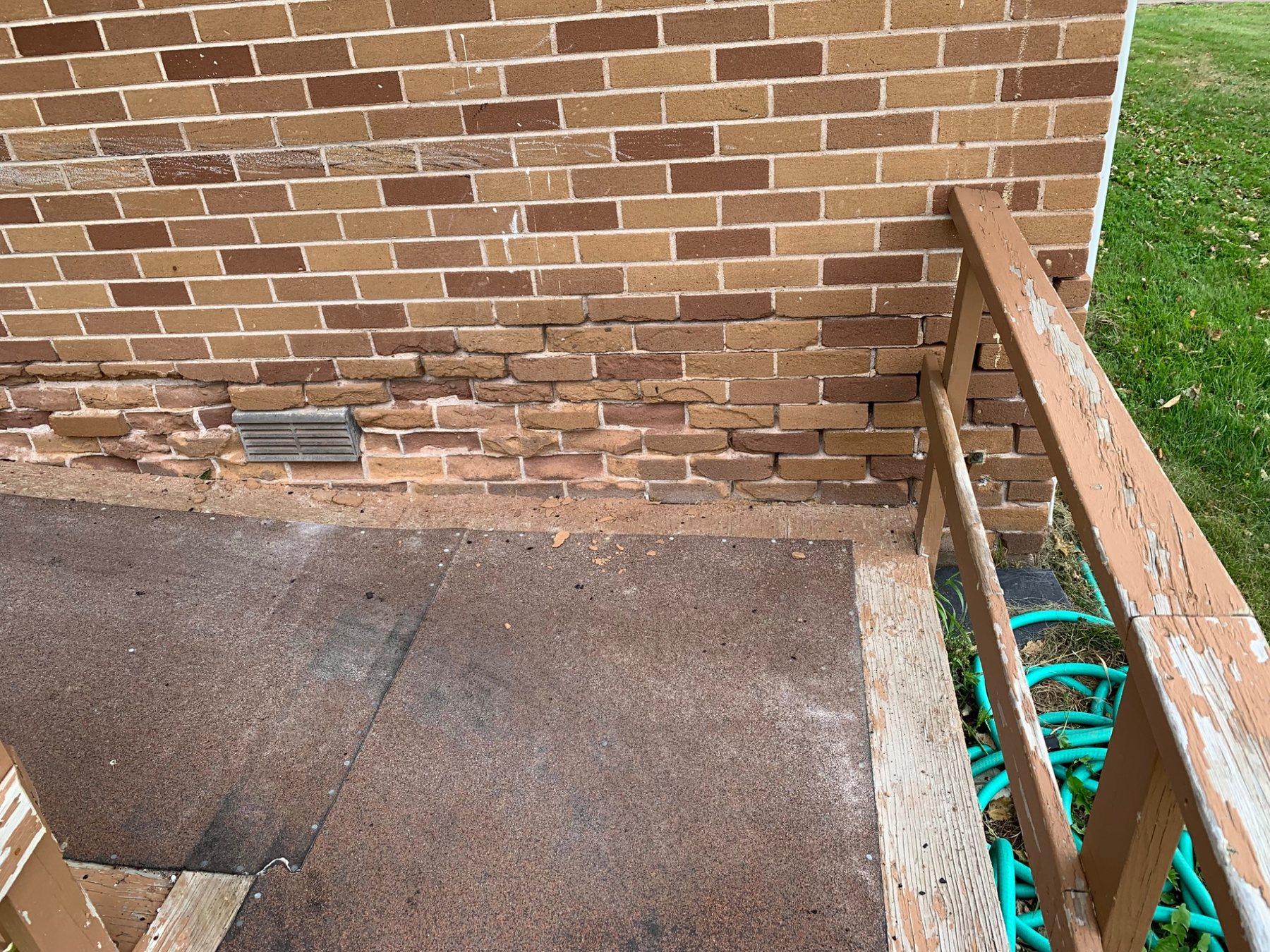
Spalling is a moisture problem before it is a coating problem. Do not assume a sealer can save brick that is already saturated, damaged or receiving water from behind.
National Park Service guidance says water-repellent coatings are frequently applied to historic masonry for the wrong reason and are often unnecessary when roofs, gutters, mortar joints and openings are maintained.
Older brick, soft stone and lime-rich mortar can be more sensitive to changes in drying. Soluble salts can also move with moisture through the wall. If evaporation is redirected beneath the surface, salt crystallization can damage the masonry internally.
A water repellent is also not a consolidant. It should not be expected to strengthen friable stone, restore lost brick faces or hold deteriorated material together.
Read the historic mortar compatibility guide →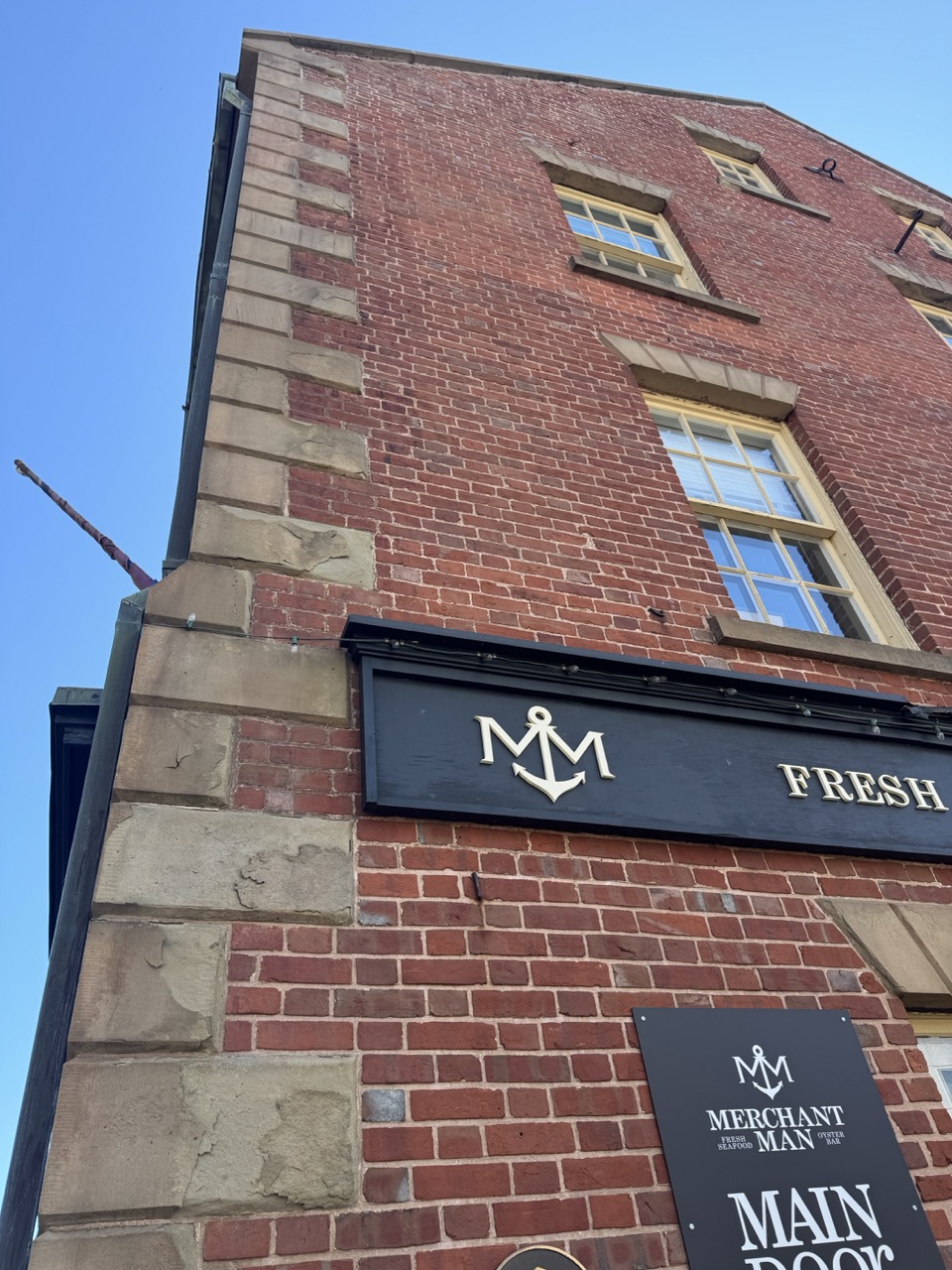
Historic walls are systems. Brick or stone, mortar, interior finishes and exterior exposure all influence where moisture enters and how the wall dries.
Peeling tells you the coating and moisture are interacting. Before recoating, determine whether water is moving through the wall from behind the failing finish.
A film-forming coating can reduce liquid water entry from the face, but it can also reduce the wall's ability to dry outward.
If water gets behind the coating through cracks, leaks, rising damp or interior vapor, it may become trapped against the masonry. Peeling, blistering, efflorescence and spalling can follow.
This is especially risky on old exterior brick and stone in cold climates. Removing an inappropriate coating can also be difficult, expensive and potentially damaging to the masonry surface.
A treatment makes more sense when the wall has already been repaired and a defined rain-absorption problem remains.
Cracks, joints, flashing, sealant and drainage defects have been corrected and the masonry has been allowed to cure and dry.
The wall receives severe wind-driven rain or has unusually absorptive masonry where reduced surface uptake is part of a documented repair strategy.
The manufacturer supports use on the specific brick or stone and comparable installations have demonstrated appropriate performance.
A representative test area confirms acceptable appearance, absorption, penetration and drying behaviour before the whole wall is treated.
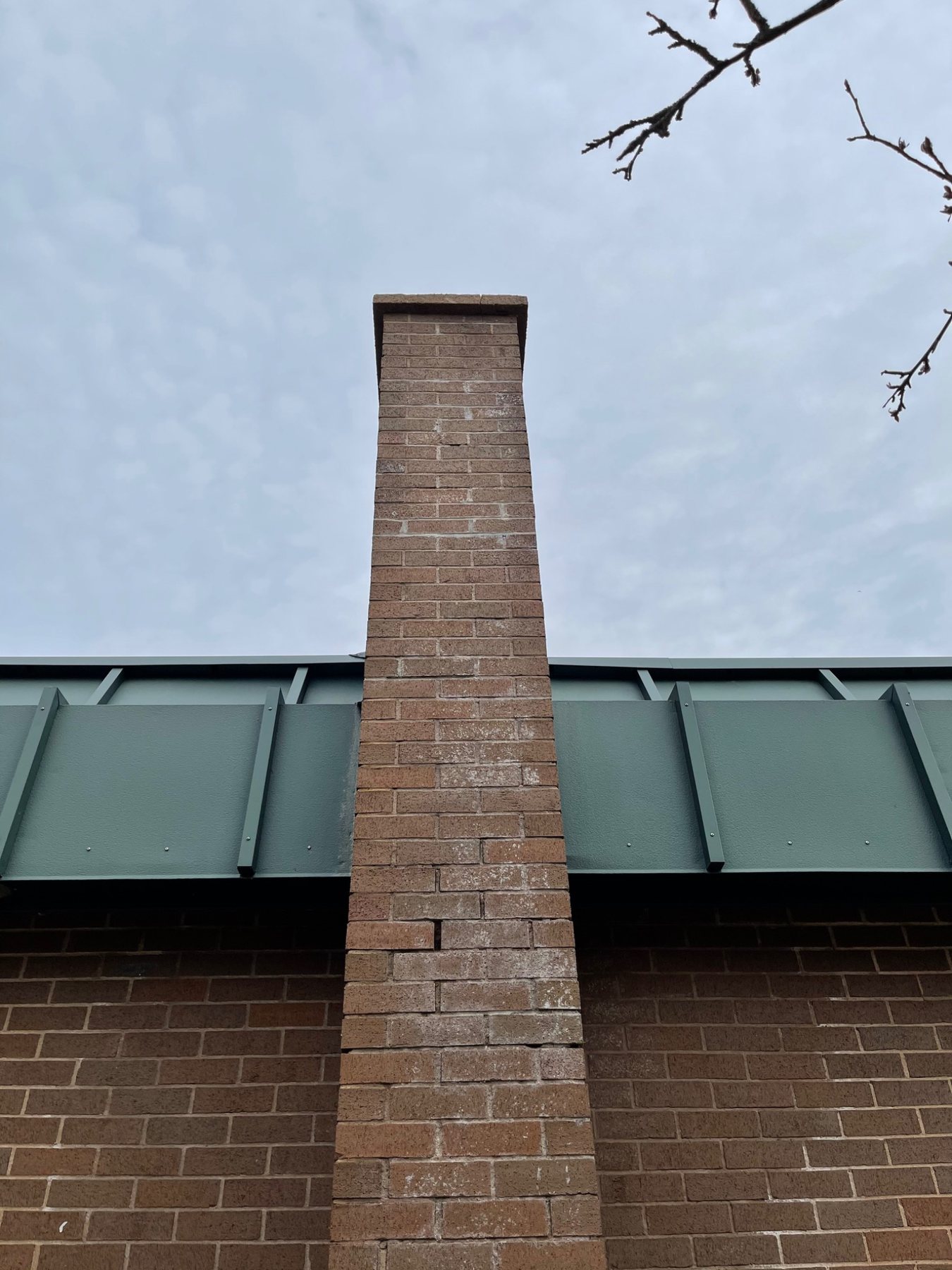
Efflorescence means water has been moving through the masonry. Treat that as a diagnostic clue before reducing the wall's ability to dry.
Fired clay brick, sandstone, limestone, granite, concrete masonry and cast stone have different pore structures, absorption characteristics and sensitivities.
Brick Industry Association guidance is specifically written for fired clay brick and warns against assuming the same recommendations apply to other masonry products.
Natural stone varies even more widely. A treatment that penetrates one porous sandstone may sit differently on a dense granite or alter the appearance of a limestone. Testing should therefore be material-specific.
For historic or unusual stone, conservation guidance or material testing may be appropriate before widespread application.
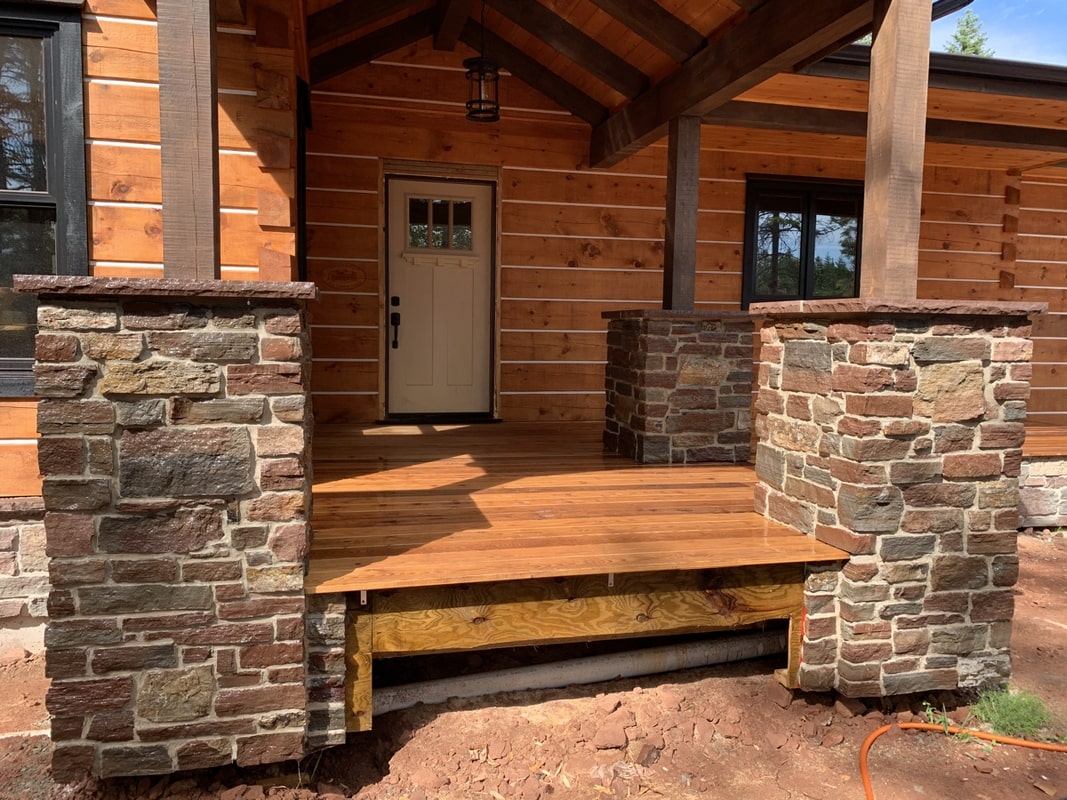
Stone is not one material. Density, mineralogy, porosity and finish can all change how a water repellent behaves.
Across Prince Edward Island, Nova Scotia and New Brunswick, exposed masonry can see coastal winds, repeated wetting, snow, spring melt and frequent freezing and thawing.
That combination makes both rain resistance and drying important. A treatment that reduces wind-driven rain can be useful in the right situation, but one that traps moisture can create exactly the saturation problem that winter masonry needs to avoid.
The practical regional approach is to repair water-entry defects first, keep masonry able to dry and use a water repellent only when there is a clear reason and a compatible product.
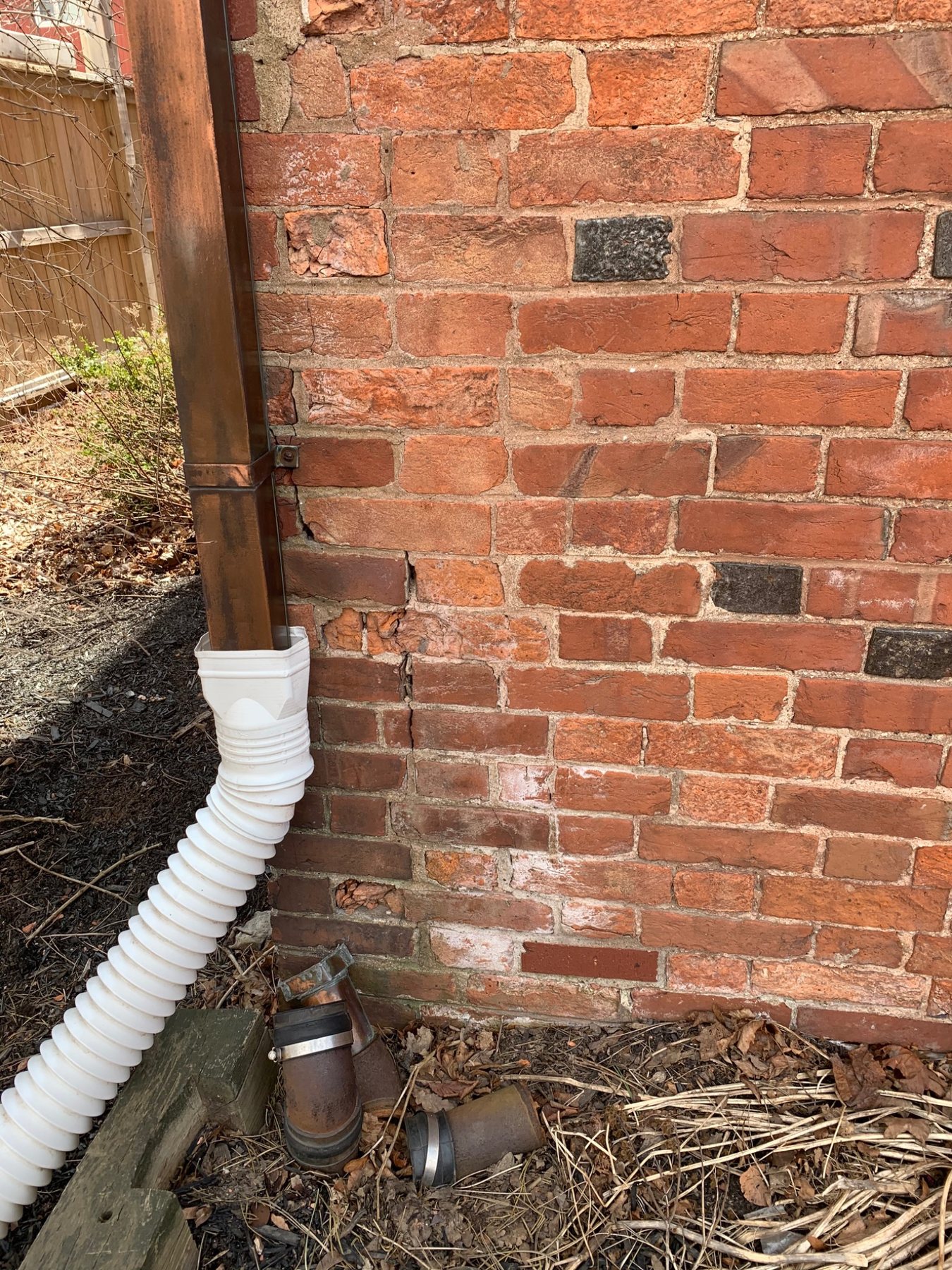
Control concentrated water before treating the surface. No repellent should be expected to compensate for a wall that is being soaked by runoff or defective drainage.
Show the entire affected wall, roofline, openings and areas of different exposure.
Include open joints, spalling, cracks, salts and any material deterioration.
Photograph peeling paint, gloss, discoloration or areas that appear previously treated.
Show windows, doors, lintels, sills, flashing and sealant transitions.
Include gutters, downspouts, roof intersections, grade and splashback areas.
If leakage is part of the concern, show the matching interior staining or damp area.
National Park Service Preservation Brief 1 distinguishes vapor-permeable water-repellent coatings from waterproof coatings and warns that even modern repellents reduce vapor permeability to some degree. It says most historic masonry buildings do not need a water-repellent treatment when normal maintenance defects are corrected.
Brick Industry Association Technical Note 6A says a water-repellent coating is not necessary for normally exposed brickwork when material selection, design, construction and maintenance are sound. It recommends correcting water-entry conditions first, using breathable products and avoiding film-forming coatings in freeze-thaw environments.
BIA Technical Note 7A also emphasizes that coatings only help when the treatment matches the actual nature of the water-penetration problem.
NPS Preservation Brief 1: Cleaning & Water-Repellent Treatments →
Brick Industry Association Technical Note 6A: Colorless Coatings →
Brick Industry Association Technical Note 7A: Water Penetration Resistance →
Dean is a third-generation mason with more than 20 years of hands-on experience working with brick, natural stone, chimneys, foundations, repointing and masonry restoration in Prince Edward Island.
The DinoMac Masonry Knowledge Centre uses PEI field experience to explain masonry conditions that are also common across Atlantic Canada and other cold, wet climates.
Last reviewed: August 26, 2026
Usually not as routine maintenance. Repair defects first and consider a breathable repellent only for a specific, justified exposure problem.
It depends on the stone, exposure and wall. Natural stones vary widely, so product selection and testing should be material-specific.
Penetrating repellents reduce liquid absorption while remaining more vapor open. Film coatings create a denser surface and carry greater trapping risk.
Not if water is entering through failed flashing, open joints, cracks, blocked drainage or other construction defects.
Yes. A treatment that traps moisture can increase saturation and freeze-thaw damage, particularly with film-forming coatings.
No. Service life varies with product, substrate, preparation and exposure. Treatments should be considered maintenance items, not permanent cures.
Send wide photos of the wall, close-ups of brick or stone and mortar, existing coatings, flashing and openings, nearby roof or drainage conditions and the PEI property location. DinoMac can help determine whether the masonry needs repair, improved water management or whether a water-repellent treatment is worth considering at all.