Bulging or bowing
A wall that projects outward or has lost its plane deserves more attention than ordinary joint weathering. Veneer anchors, multi-wythe separation, roof thrust, foundations or embedded steel may be involved.
Older brick and stone houses can be remarkably durable, but their condition is easier to understand when you separate ordinary weathering from active water problems, movement, incompatible repairs and neglected structural details.
A pre-purchase masonry review is not about finding a reason to walk away from every old house. It is about knowing which defects are maintenance, which are repair projects, and which deserve specialist assessment before you inherit them.
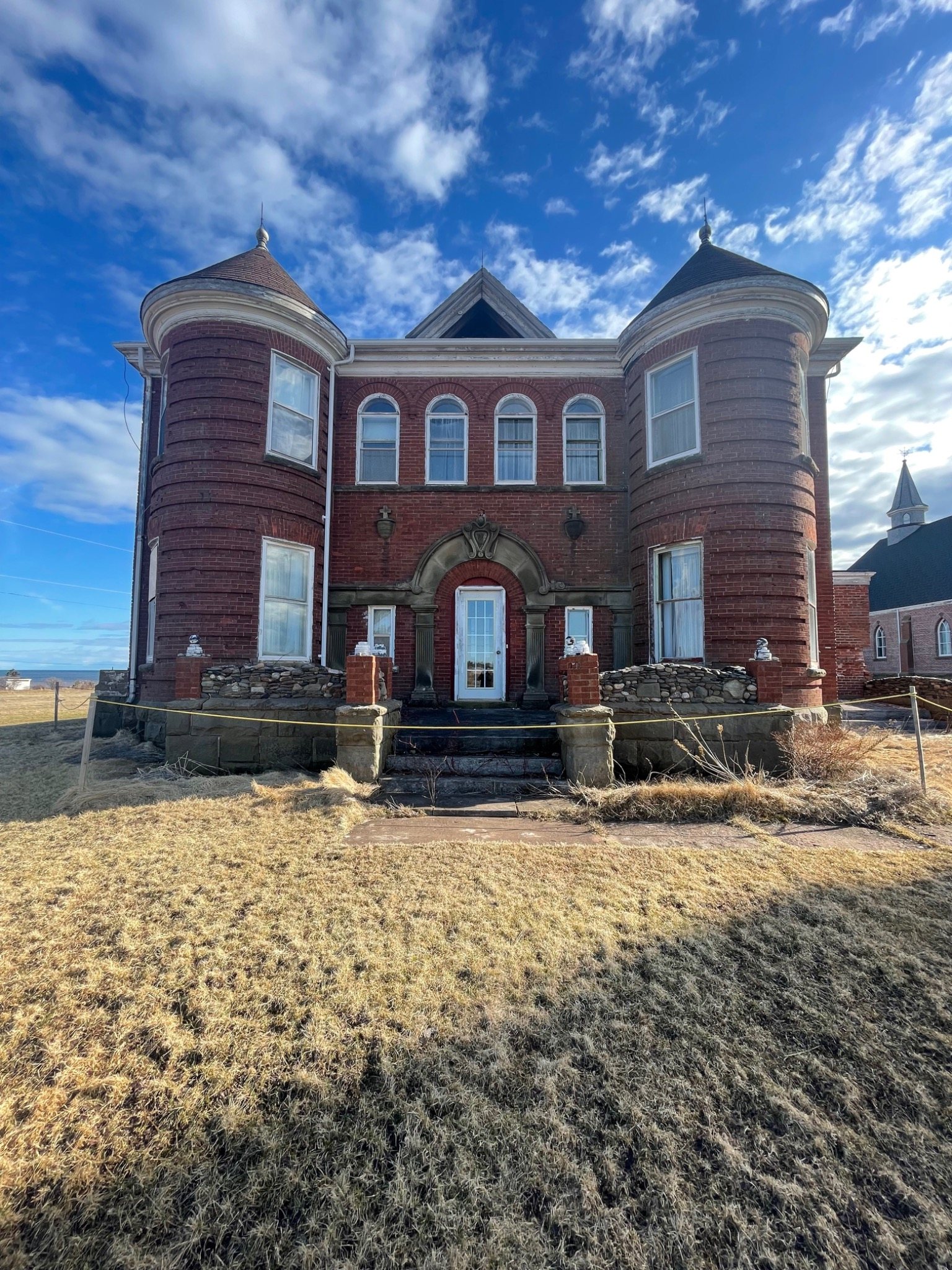
Older masonry needs context. Age alone is not the defect. Water paths, past alterations, material compatibility and whether the building has continued to move are far more useful clues.
One repointed joint, one cracked brick or one damp basement corner may be minor. The useful question is whether the condition repeats, whether it follows a water path, whether it lines up with an opening or support point, and whether previous repairs have failed in the same place.
Before getting close, stand back and look at each elevation. Is the wall straight? Are openings square? Does the chimney lean? Is deterioration concentrated below a sill, coping, roof edge or downspout? Does the grade slope toward the house?
Then move closer. The combination of the wide view and the close-up is what makes the defect intelligible.
Look for alignment, material loss, open joints, movement and the relationship between damage and water.
A wall that projects outward or has lost its plane deserves more attention than ordinary joint weathering. Veneer anchors, multi-wythe separation, roof thrust, foundations or embedded steel may be involved.
Note direction, width, location and whether cracks run through mortar only or through masonry units. Cracks around openings and stepped patterns tell different stories.
Flaking brick faces and granular or delaminating stone usually point toward moisture, freeze-thaw, salts, coatings or material incompatibility rather than age alone.
Look for mortar that is much harder, smoother or different in colour than the original joints, smeared face repairs, isolated cement patches, painted-over cracks, repeated sealant lines and bricks or stones that appear to have been replaced in small clusters.
A previous repair may be perfectly sound. But repeated patches in one location can also reveal a problem that was never diagnosed, such as water entry, lintel movement or foundation settlement.
On older masonry, dense cement-rich mortar beside soft brick or stone can sometimes accelerate edge damage or change how the wall dries.
Historic mortar compatibility →
What proper repointing should look like →
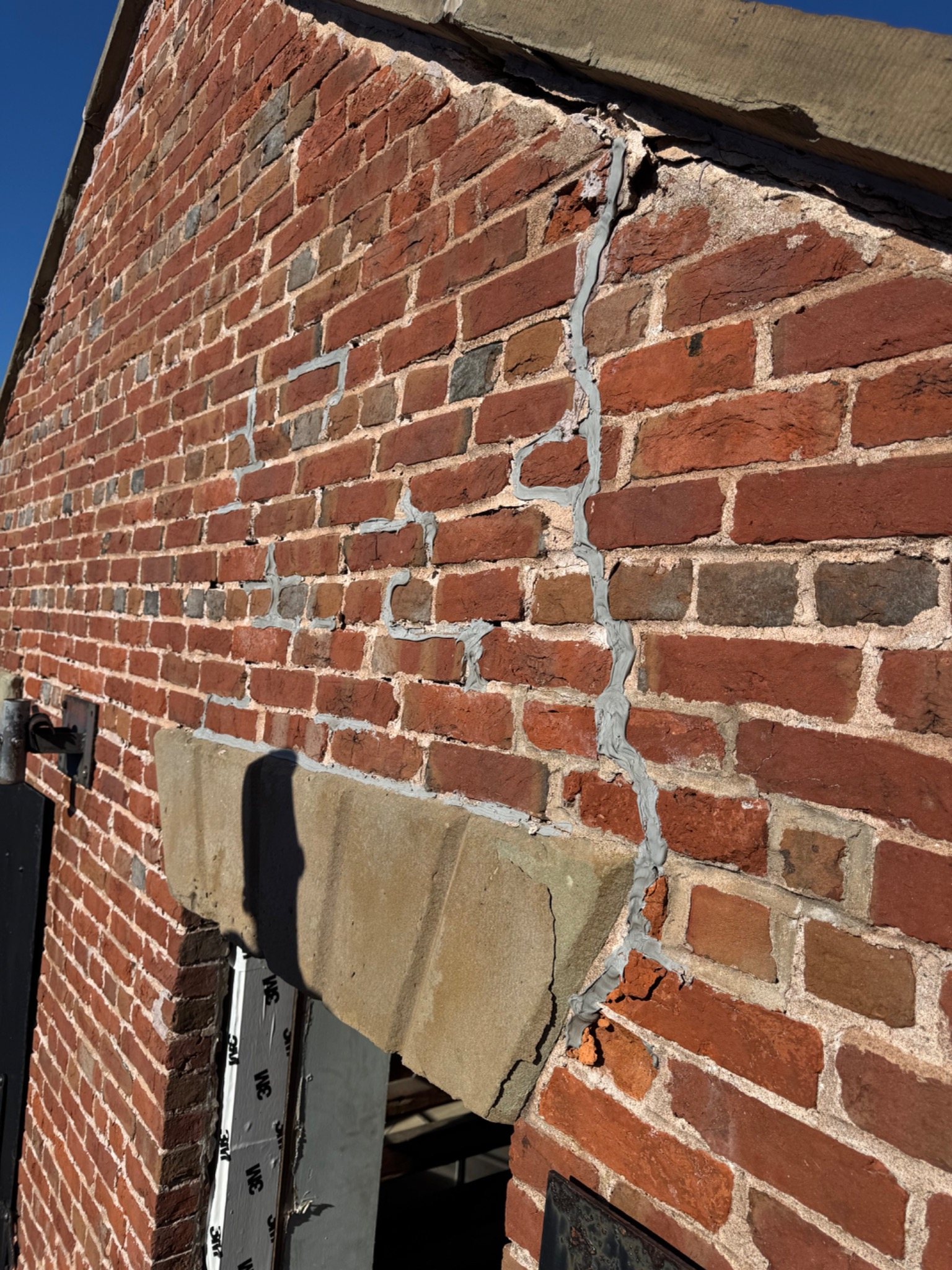
Read the repair history. Different mortars, patches and filled cracks can show where the building has needed attention before.
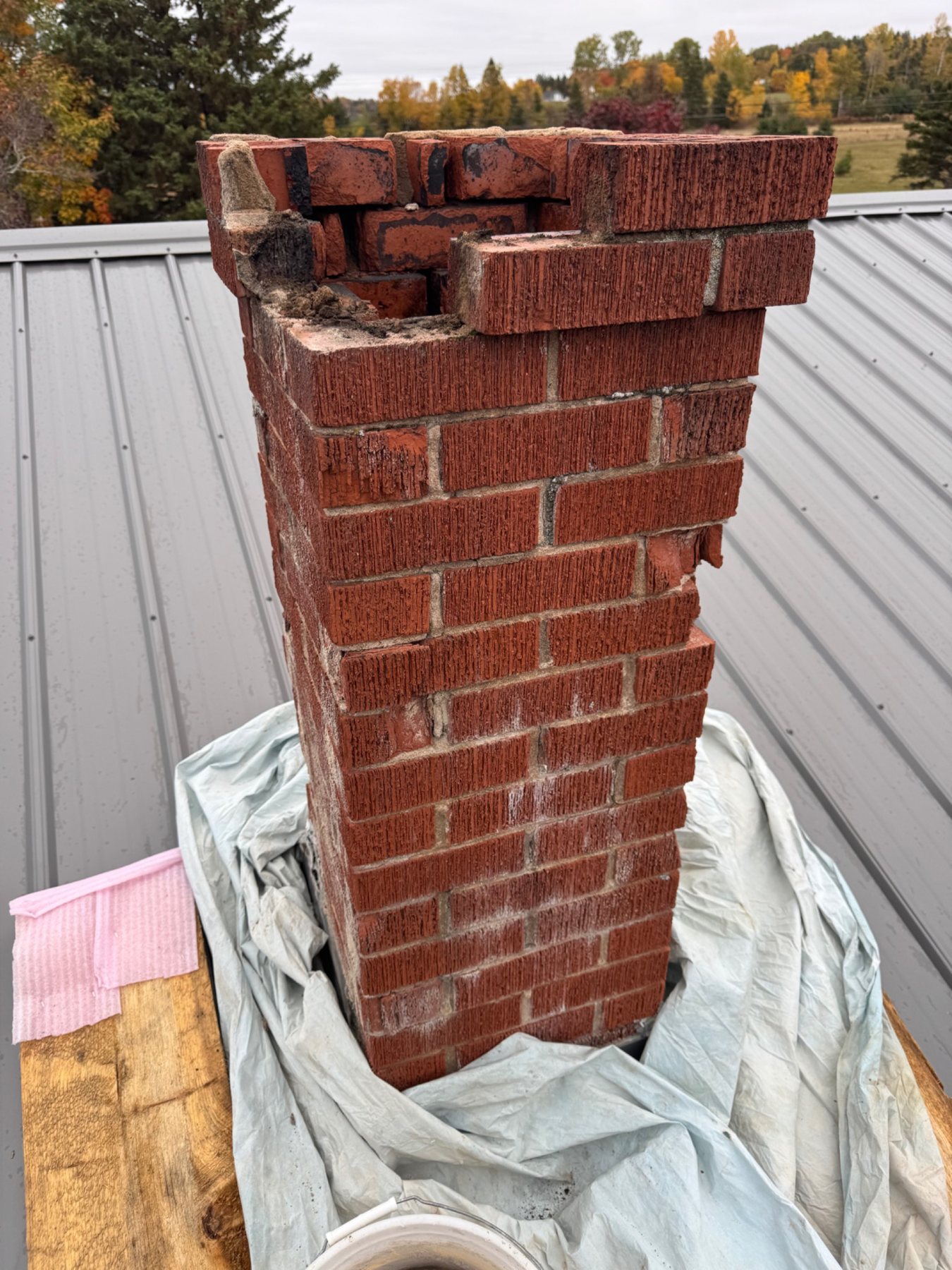
Chimneys deserve their own inspection. They are among the most exposed masonry on the building and can combine structural, moisture and venting concerns.
Look at the full stack from the roofline upward. Check for leaning, displaced courses, open mortar joints, spalled brick, damaged crown or wash, missing or deteriorated caps and staining that suggests water movement.
At the roof intersection, look for flashing problems, sealant-heavy previous repairs and staining in the attic or interior near the chimney.
If the chimney serves a wood-burning appliance, exterior masonry condition is only part of the question. The flue and venting system may also need a WETT-certified inspection.
Why chimneys leak →
Repoint or rebuild? →
Chimney flue liners explained →
Older stone and block foundations can show staining, salts, old parging, mortar loss and seasonal dampness without being structurally unsound. What matters is whether the wall is still aligned and stable, and whether moisture is coming from drainage, groundwater, cracks or deterioration within the wall.
Look outside at grade, gutters, downspouts, paved areas and low spots. Then compare those conditions with the matching interior wall.
Inside, look for bulging, loose stone, large voids, horizontal or stepped movement, displaced block, repeated wetting at the wall-floor joint and signs that beams or floor framing have shifted at their bearing points.
Anatomy of an old stone foundation →
Wet stone basement: drainage or foundation? →
Concrete and block foundation cracks →
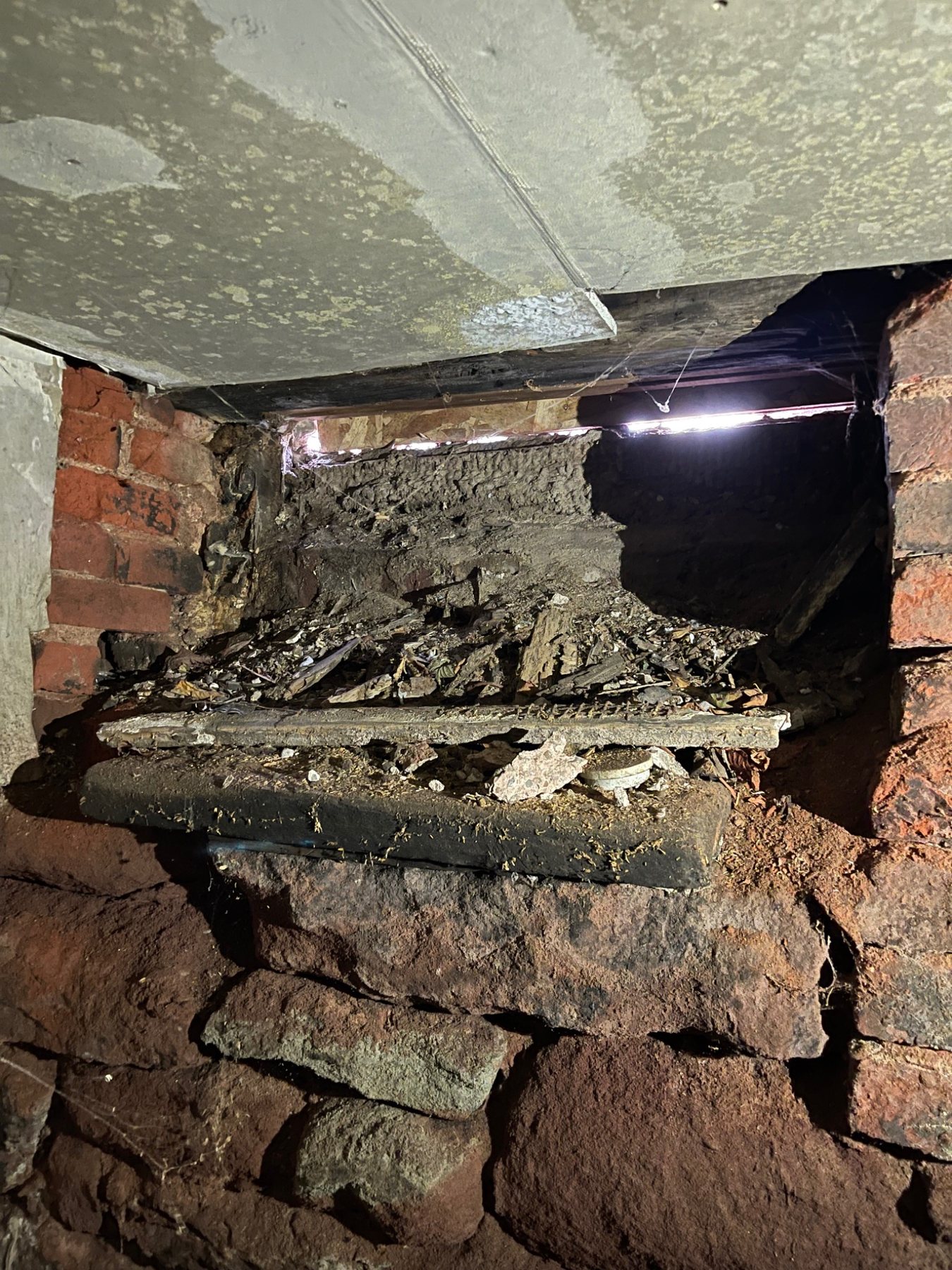
The wall has depth. Surface condition alone may not reveal whether the rubble core, joints and bearing areas remain sound.
Stepped or horizontal cracking above windows and doors can relate to lintel corrosion, deflection, bearing or movement in the wall above.
Do not assume the window itself is the source. Flashing, sealant, sills, drainage cavities and cracked masonry can all contribute.
Check whether sills shed water away from the wall and whether joints, end conditions or cracks are directing water inward.
Painted brick or stone is not automatically a problem, but coatings can make inspection more difficult. Look for blistering, peeling, trapped moisture, recurring white salts, soft material beneath failed paint and patches where the coating has been used to hide cracks or mismatched repairs.
If the house has extensive coatings, ask when they were applied and why. Removing paint from masonry can itself become a substantial project, particularly on soft historic brick or stone.
Should you seal brick or stone? →
Can you pressure wash masonry? →
Cleaning historic brick and stone →
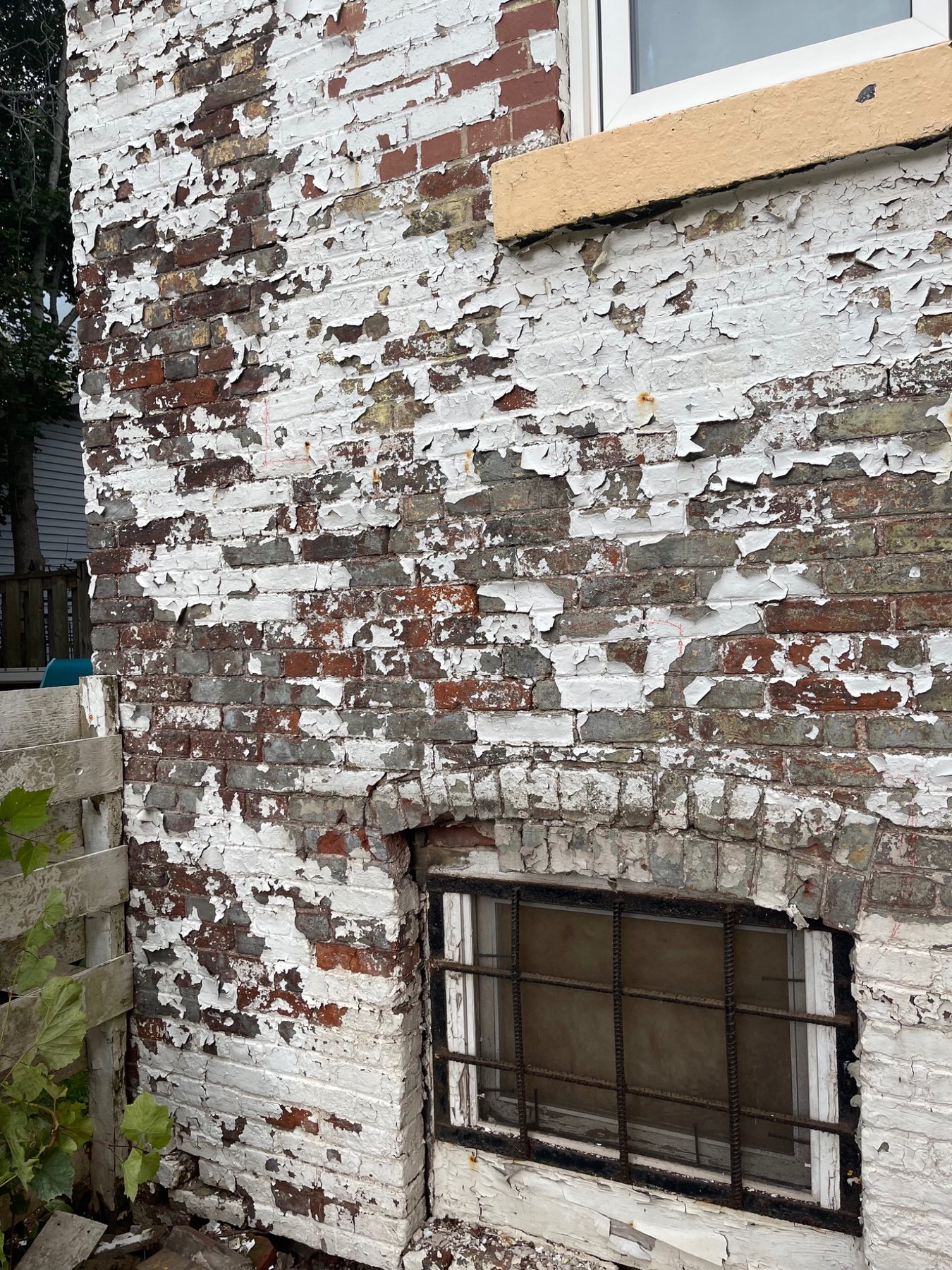
Coatings complicate diagnosis. The visible paint failure may be a surface issue, or it may be responding to moisture moving through the wall behind it.
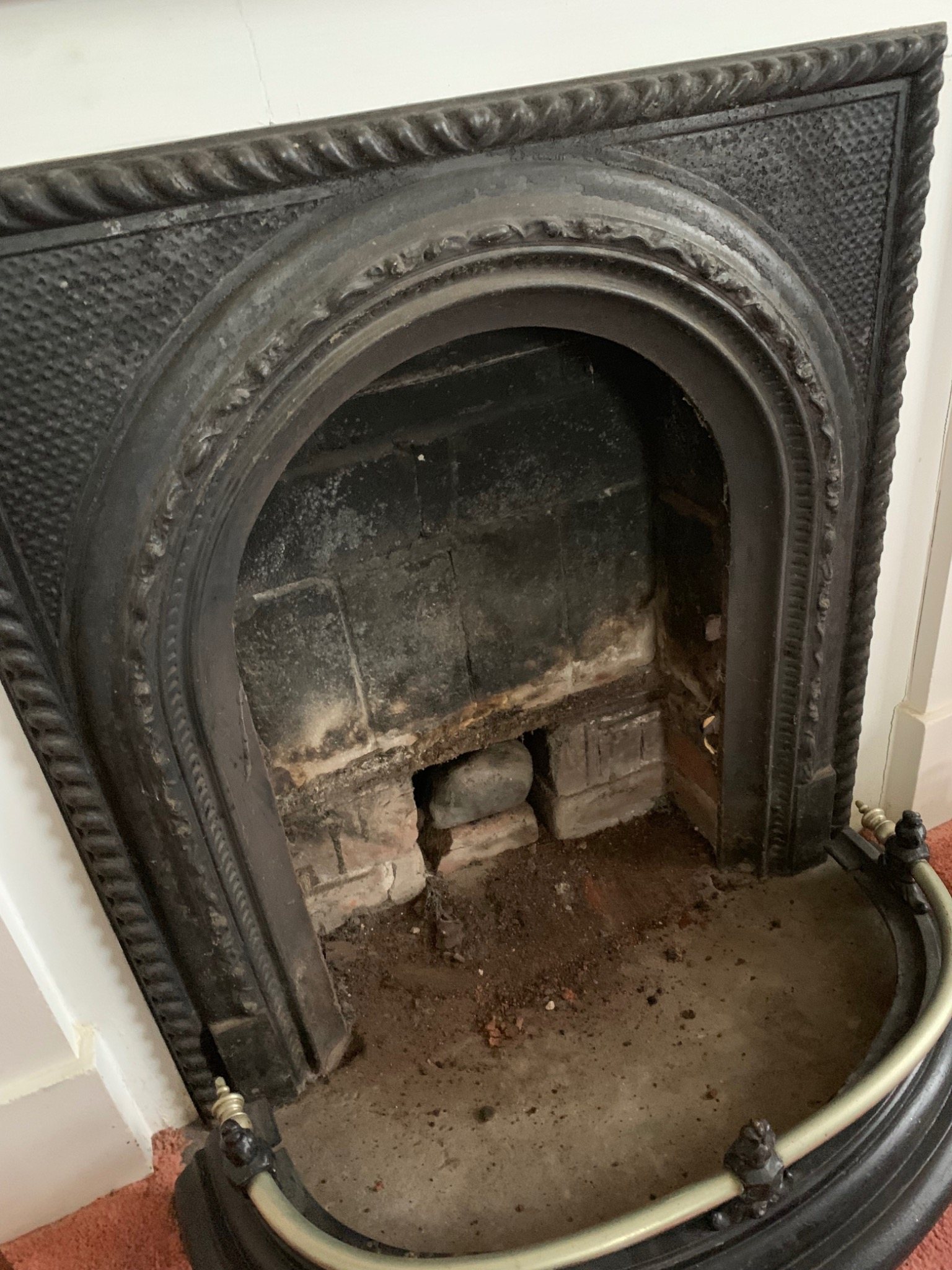
Fireplaces are both masonry and safety systems. A good-looking mantel does not tell you the condition of the firebox, smoke chamber or flue.
Inspect the hearth, firebrick or firebox lining, visible cracks, loose units, missing mortar and signs of water or soot movement. Look for previous inserts, blocked openings or alterations that may have changed how the original fireplace functions.
For solid-fuel systems, a WETT-certified inspection is the appropriate path when appliance and venting safety are part of the purchase decision.
Firebox cracks and damaged firebrick →
Fireplace masonry services →
Bulging, leaning, displaced courses, stepped separation or masonry moving away from the building.
Falling or loose brick, stone, chimney material or units above entrances, sidewalks and occupied areas.
Leaks that recur during rain or snowmelt, especially where staining is increasing or wood framing is also being affected.
Bulging, rotation, major horizontal cracking, dropped bearing points or openings changing shape.
Displaced masonry, large areas of failed mortar, fractured units, uncertain liner condition or repeated leak repairs.
The same crack, leak or patch has been repaired several times and continues to reopen or deteriorate.
A general home inspector can identify many masonry concerns and may recommend further review. But a pre-purchase report may not establish mortar composition, hidden wall-tie condition, the depth of foundation voiding, whether a historic wall is solid or cavity construction, or exactly why a masonry wall has moved.
That is where the next specialist depends on the question. A mason can assess masonry condition, repair feasibility, mortar and unit deterioration. A structural engineer is appropriate where loading, support or significant movement is involved. A WETT-certified professional is appropriate for solid-fuel appliance and venting inspection.
The useful goal before closing is not to obtain every possible report. It is to resolve the uncertainties that could materially change repair scope, safety or cost.
Ask for invoices, previous structural reports, WETT reports, chimney-liner records, permits where applicable, photographs from before repairs, and any documentation showing when major repointing, foundation work or water-management changes were completed.
If the seller says a wall was "repointed," ask whether joints were actually cut out and replaced or simply skimmed over. If a chimney was "fixed," ask whether that meant flashing, a cap, repointing, a liner or a rebuild. The word repair can describe very different scopes.
Loose overhead masonry, unstable walls and significant structural movement come first.
Correct flashing, crowns, drainage, grade and other sources that are continuing to feed deterioration.
Resolve venting, liner, firebox and masonry issues before relying on a solid-fuel system.
Repoint failed joints, replace isolated damaged units and address compatible repair materials once causes are understood.
Keep drainage working, monitor known cracks and maintain copings, caps, joints and exposed horizontal surfaces.
Cleaning and appearance improvements make more sense after the building is dry, stable and properly repaired.
Across Prince Edward Island, Nova Scotia and New Brunswick, older masonry buildings face wind-driven rain, wet shoulder seasons, snowmelt and repeated freeze-thaw cycles. Many also contain several generations of repairs, additions and changing drainage conditions.
That regional context makes water management especially important. A wall that has survived for a century can still deteriorate quickly when a new roof detail, raised grade, failed downspout or dense repair mortar changes how it gets wet and dries.
The practical advantage of an older masonry house is that many defects are visible and understandable once you know what to look for. The goal is informed ownership, not fear of old buildings.
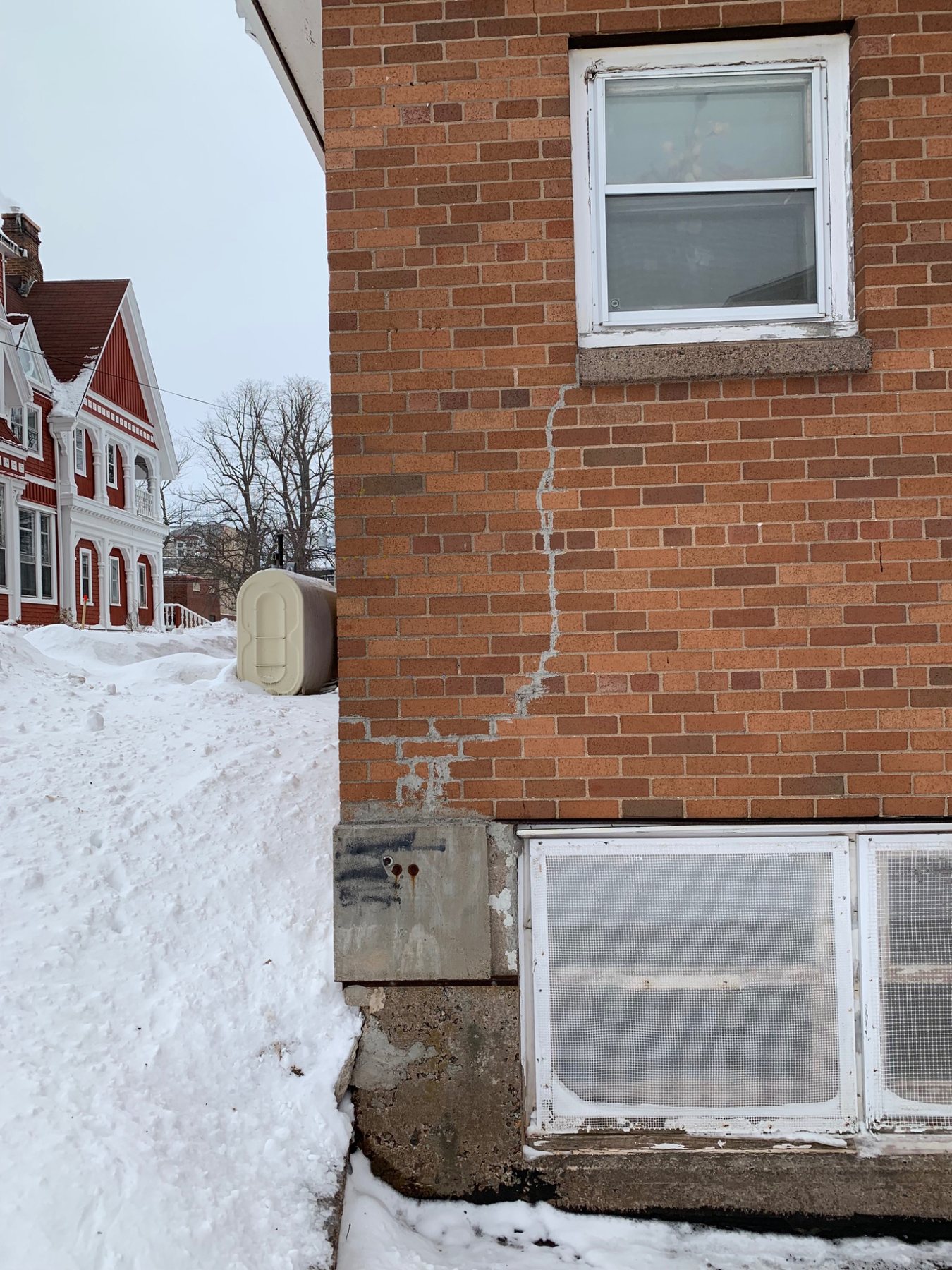
Context matters: openings, water paths, wall construction and whether movement is active all change what a crack means.
National Park Service: Common Problems with Brick Masonry →
National Park Service: Controlling Unwanted Moisture →
Parks Canada: Standards and Guidelines for the Conservation of Historic Places →
Dean is a third-generation mason with more than 20 years of hands-on experience working with brick, natural stone, chimneys, foundations, fireplaces, repointing, moisture problems and older masonry buildings in Prince Edward Island.
The DinoMac Masonry Knowledge Centre uses PEI field experience to explain conditions that are also common across Atlantic Canada and other cold, wet climates.
Last reviewed: August 28, 2026
Chimneys, exterior walls, foundations, basement moisture, mortar joints, openings, parging, fireplaces, wall tops, drainage and previous repairs.
No. Crack pattern, location, displacement and whether it is active matter far more than the simple presence of a crack.
Significant movement, large chimney rebuilds, deep foundation deterioration, widespread incompatible repairs and concealed water problems can expand scope quickly.
A general inspector can identify many warning signs, but specialist masonry, structural or WETT assessment may still be appropriate for specific concerns.
Wide views first, then close-ups. Include complete walls, foundations, chimneys, openings, drainage and the surrounding conditions that may explain the defect.
Safety, active water entry, movement and chimney/fireplace safety come before cosmetic repointing or cleaning.
Include full exterior views, close-ups of cracks or deteriorated masonry, chimneys, foundations, basement moisture, previous repairs and the property location. DinoMac can help identify which visible masonry conditions are worth investigating further.